

Introduction
The story of Kentucky Fried Chicken (KFC) is the stuff of legends. It began with a 62-year-old Colonel Harland Sanders selling fried chicken from a roadside restaurant during the Great Depression. Today, it is the world’s second-largest fast-food chain, with the Colonel’s face being one of the most recognized brand mascots globally. However, when KFC first entered India in 1995, it was met not with queues, but with protests and skepticism. The brand was forced to make a strategic retreat. Its successful re-entry and subsequent growth into a 1,000+ outlet empire is a powerful lesson in resilience, market adaptation, and the art of winning over the Indian consumer.
The Rocky Start: A Market Entry Failure and a Strategic Pivot
KFC’s initial entry into India in 1995 was a textbook example of a market mismatch. As one of the first global fast-food chains to enter post-liberalization, it faced significant hurdles:
- Cultural & Political Resistance: There were widespread concerns, amplified by activists, about the impact on local farmers, allegations of using illegal ingredients (MSG), and protests from animal rights groups like PETA.
- Positioning Mismatch: It was initially positioned as a family restaurant, a space already dominated by strong local and traditional dining options.
Forced to exit, KFC didn’t give up. They went back to the drawing board and engineered a strategic relaunch in 1999 with a completely new approach:
- The Pivot: They shifted their positioning from a “family restaurant” to a “teenage hangout spot.” This was a masterstroke. It allowed them to target a younger, more globalized, and aspirational demographic that was more open to Western brands and fast food culture. This new positioning laid the foundation for their eventual success.
Digital Marketing & SEO Strategy
As a Quick Service Restaurant (QSR) giant, KFC’s digital strategy is focused on driving footfall, online orders, and maintaining top-of-mind recall with a young, digitally-savvy audience.
- SEO (Search Engine Optimization): KFC’s SEO strategy is heavily focused on local search and high-intent keywords. They dominate search results for terms like “KFC near me,” “KFC menu,” and “chicken bucket price.” Their strong brand recognition means a significant portion of their traffic comes from branded searches. Their website and app are optimized for quick ordering, which is a key ranking factor for food delivery services.
- Social Media Marketing: KFC India’s Instagram is a visually consistent feed that leverages their iconic red-and-white branding. The strategy is primarily focused on:
- Product Showcases: High-quality, mouth-watering visuals of their core products.
- Promotional Offers: Announcing value deals, combo offers, and new launches to drive immediate sales.
By maintaining a cohesive brand aesthetic, they ensure instant recognition in a crowded social media feed.
- Content Marketing & YouTube: KFC’s YouTube channel is a hub for its ad films, which are central to its communication strategy. The content is designed to be entertaining and memorable, from the vintage ads featuring Colonel Sanders himself to modern, youth-centric campaigns. The legendary tagline, “It’s Finger Lickin’ Good,” born from an unscripted moment, has become a cornerstone of their content, perfectly encapsulating the brand’s promise of irresistible taste.
STP Analysis
- Segmentation: KFC segments the Indian market with precision:
- Geographic: Focuses on urban centers and metropolitan cities where there is a higher concentration of their target audience and a greater demand for quick-service restaurants.
- Demographic: Primarily targets young adults (18-34), including students and young professionals, along with middle and upper-middle-class families with disposable income.
- Psychographic: Appeals to consumers seeking convenience, taste, and a satisfying meal experience. They are not necessarily looking for a healthy option but for an indulgent treat.
- Targeting: The primary target market is the Indian youth. This demographic is highly social, frequently dines out with friends, is active on digital platforms, and is more receptive to global brands and trends. By targeting this segment, KFC positioned itself as a cool and modern choice.
- Positioning: KFC is positioned as the go-to destination for delicious, affordable, and crave-worthy fried chicken. Their “Finger Lickin’ Good” tagline is not just a slogan; it’s their core value proposition, emphasizing an irresistible taste that sets them apart.
The 4 Ps of Marketing
- Product: The product strategy is a brilliant mix of global consistency and local innovation.
- Core Global Products: The legendary fried chicken, made with the secret recipe of 11 herbs and spices, remains the hero. This consistency ensures that a KFC bucket tastes the same from Kentucky to Kolkata.
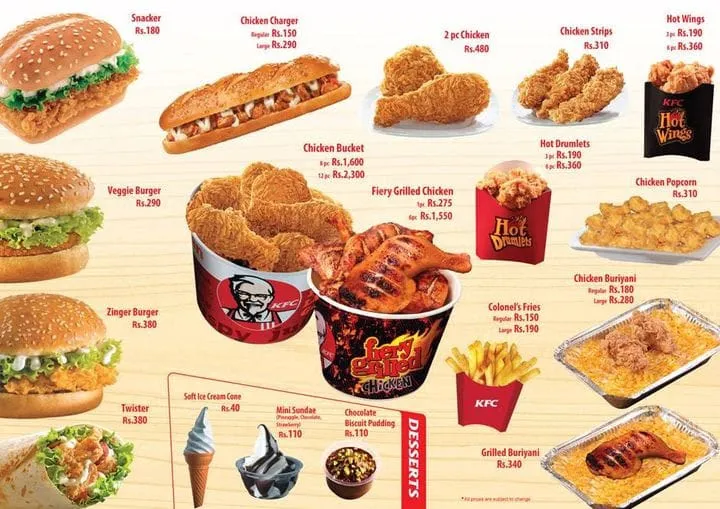
- Local Innovations: This is where KFC truly won over India. Recognizing the large vegetarian population, they introduced the Veggie Zinger. To tap into the nation’s most popular dish, they launched the KFC Biryani Bucket. These innovations showed a deep respect for local tastes and significantly broadened their appeal.
- Price: KFC employs a value-based pricing strategy. They offer products at multiple price points, from highly affordable “Value Burgers” (promoted at just ₹69) to larger, shareable buckets. They masterfully use bundle pricing (combo meals) to offer a complete meal at a perceived discount, driving higher transaction values.
- Place: KFC has a robust omnichannel presence:
- Physical Outlets: Over 1,000 dine-in and take-out restaurants in prime urban locations across 240+ cities.
- Online Delivery: Strong partnerships with all major food delivery aggregators like Swiggy and Zomato, as well as their own app and website for direct orders.
- Promotion: Their promotional strategy has evolved but always stayed true to their core message of taste.
- Legacy Advertising: The early ads featuring Colonel Sanders built the initial foundation of trust and quality.
- Youth-Centric Campaigns: Modern ads focus on fun, friends, and social occasions, aligning with their “hangout spot” positioning.
- Product-Specific Ads: High-impact campaigns to promote their local innovations, like the Biryani Bucket, creating massive buzz.
Beyond the Bucket: The Power of the USP
- The Secret Recipe: KFC’s most powerful marketing tool is its secret blend of 11 herbs and spices. This is a legendary piece of brand lore that creates an unparalleled Unique Selling Proposition (USP). It gives the brand an air of mystery and a promise of a unique taste that cannot be replicated. For students, this is a key lesson: a truly unique and protected product attribute can be the most sustainable competitive advantage.
Influencer Marketing & Collaborations
While KFC engages in modern digital marketing, its primary “influencer” has always been the man on the bucket.
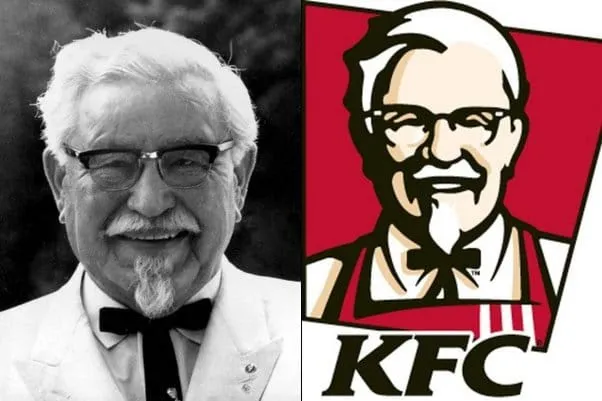
- Colonel Sanders as the Ultimate Influencer: The image of Colonel Sanders is one of the most powerful brand assets in the world. He represents authenticity, heritage, and a passion for good food. He is the original founder and the ultimate symbol of the brand’s quality promise.
- Modern Approach: In the current landscape, KFC collaborates with food bloggers and lifestyle influencers to promote new launches and offers, but these campaigns are always anchored by the core brand identity established by the Colonel.
Challenges & Competition (SWOT Insights)
- Challenges:
- High Dependency on Chicken: While their USP, it can be a weakness in a market with a large vegetarian population and for consumers seeking variety.
- Health Consciousness: The growing trend towards healthier eating poses a significant challenge for a brand synonymous with fried food.
- Competition: The fast-food market is a battlefield:
- Direct Competitors: McDonald’s, Burger King, and other global QSR chains.
- Local QSRs: A growing number of strong domestic brands offering fried chicken and other fast food.
- Pizza Chains: Brands like Domino’s and Pizza Hut compete for the same share of the “quick, indulgent meal” market.
All trademarks, logos, videos, and images are the property of their respective owners. Their use in this educational case study is for commentary and illustrative purposes, and does not imply any ownership or endorsement.


Connect With Us
Follow us for updates on our latest courses and events!