
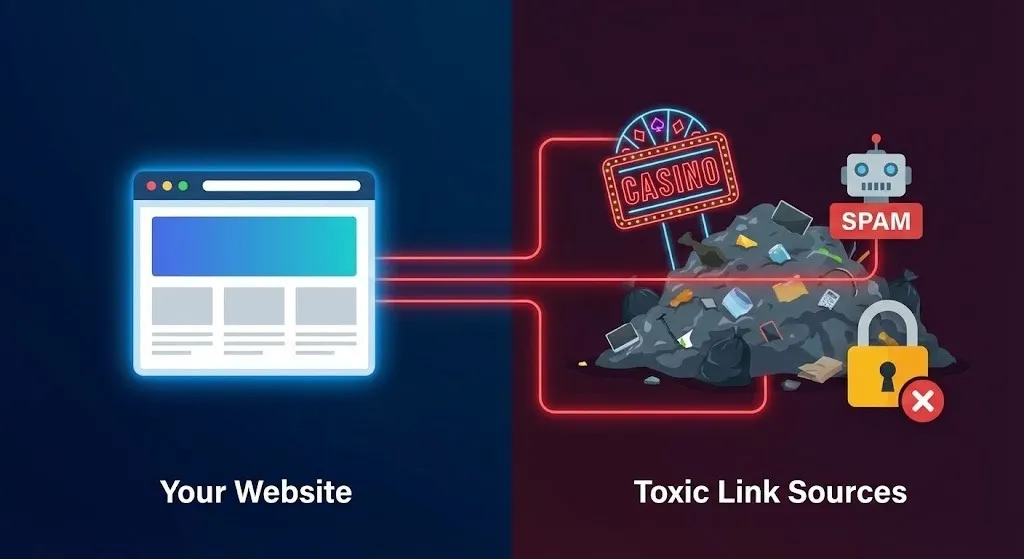
Backlinks are powerful for SEO success, but not all backlinks are good. Some links can damage your rankings, reduce your credibility, and even lead to penalties from search engines. These damaging links are called “toxic backlinks,” and understanding them properly is something every learner studies carefully in a Best SEO training institute.
Toxic backlinks are generally artificial, spammy, irrelevant, or created only to manipulate rankings. If you ignore them, they can seriously harm your website’s authority and visibility. This is why many marketers and businesses learn backlink auditing and link quality evaluation deeply in a Best SEO training institute, as part of an SEO certification course, during a structured Professional SEO course, through a Digital marketing training institute, and especially while learning Advanced SEO training strategies.
But even if you are not part of any program, this blog will guide you in a clear, simple, and human way so you can protect your website effectively.
⭐ What Are Toxic Backlinks?
Toxic backlinks are links that come from websites that are:
- Spammy
- Untrustworthy
- Irrelevant to your niche
- Created only to manipulate rankings
- Violating search engine guidelines
Google uses backlinks to judge trust. If too many risky or low-quality websites link to you, Google may believe your site is involved in spammy SEO practices.
Common sources of toxic backlinks include:
- Spam directories
- Low-quality blogs created only for links
- Comment spam
- Paid shady backlinks
- Irrelevant foreign websites
- Adult, casino, or illegal niches (if unrelated to your site)
The goal is simple: identify them early and handle them properly.

🔎 Why Do Toxic Backlinks Happen?
Sometimes toxic backlinks are accidental. Sometimes they are intentional. And sometimes they are caused by competitors or automated spam.
They can appear due to:
- Past wrong SEO practices
- Hiring an inexperienced SEO service
- Using cheap backlink packages
- Competitors doing negative SEO
- Spam bots auto-linking
Even legitimate websites receive bad backlinks sometimes. What matters is how you handle them.
🧪 Real-Life Example 1: Business Website Drop Case
A growing business website was ranking well, but suddenly noticed:
- Traffic dropped
- Keyword rankings fell
- Impressions declined
On investigation, they found hundreds of spam backlinks from irrelevant foreign websites. These backlinks made Google suspicious, and rankings dropped.
They quickly audited and removed toxic links. Over time, their rankings recovered.
Lesson: Detect early, act fast.
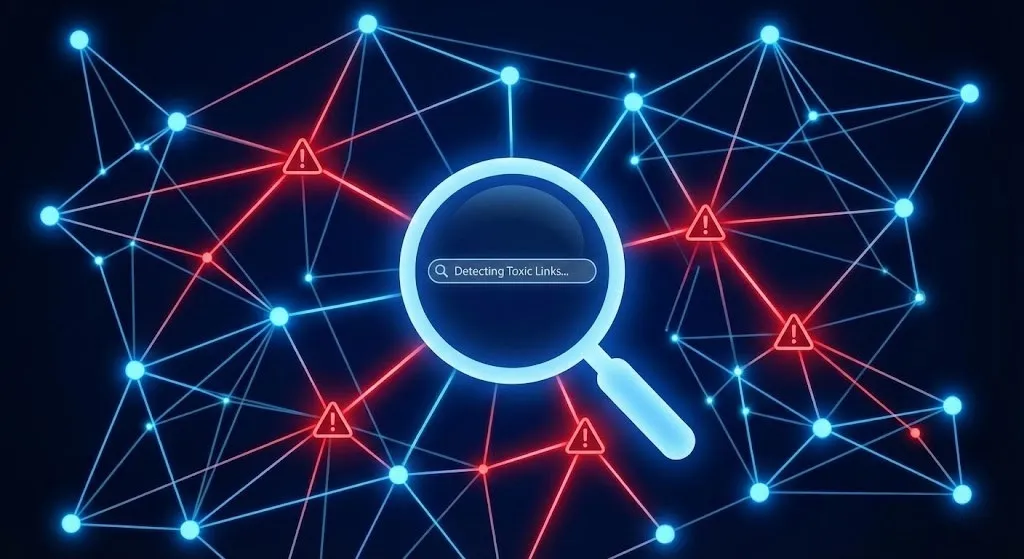
🔍 How to Detect Toxic Backlinks
Detecting toxic backlinks is about checking link quality, relevance, and trust signals. Look for backlinks that feel suspicious, irrelevant, or clearly spam-driven.
Key warning signs include:
- Links from unrelated niche sites
- Links from websites with no real content
- Links from hacked or harmful sites
- Repeated links from the same spam domain
- Links from link farms
- Backlinks from penalized websites
If links “look wrong,” they probably are.
This type of practical identification is something you learn clearly while studying in a Best SEO training institute, preparing for an SEO certification course, or upgrading through a Professional SEO course and Digital marketing training institute, especially during Advanced SEO training modules.
🛡️ Real-Life Example 2: E-Commerce Website Protection
An e-commerce brand noticed sudden traffic fluctuation. They checked backlinks and found hundreds of toxic links pointing to product pages. These were created by a third-party service they unknowingly hired earlier.
They removed harmful links, disavowed the rest, and rebuilt clean backlinks. Rankings slowly stabilized.
Lesson: Never ignore unexpected backlinks.
⚙️ How to Manage and Remove Toxic Backlinks
Once toxic backlinks are identified, the next step is handling them correctly.
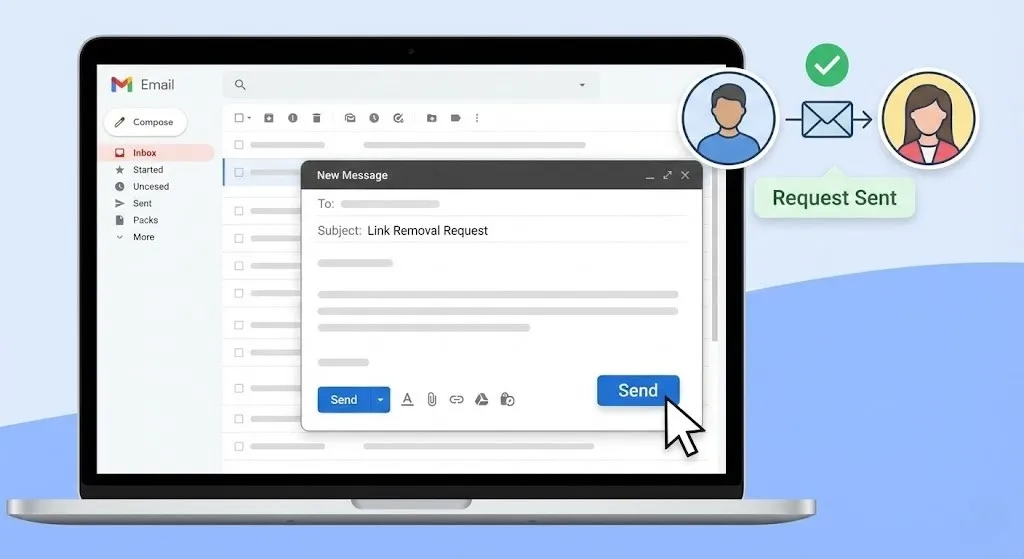
✅ Step 1: Contact Website Owners
If the backlink is from a real website (not a complete spam site), try:
- Sending a polite removal request
- Contacting through email or contact form
Many genuine website owners agree to remove bad links.
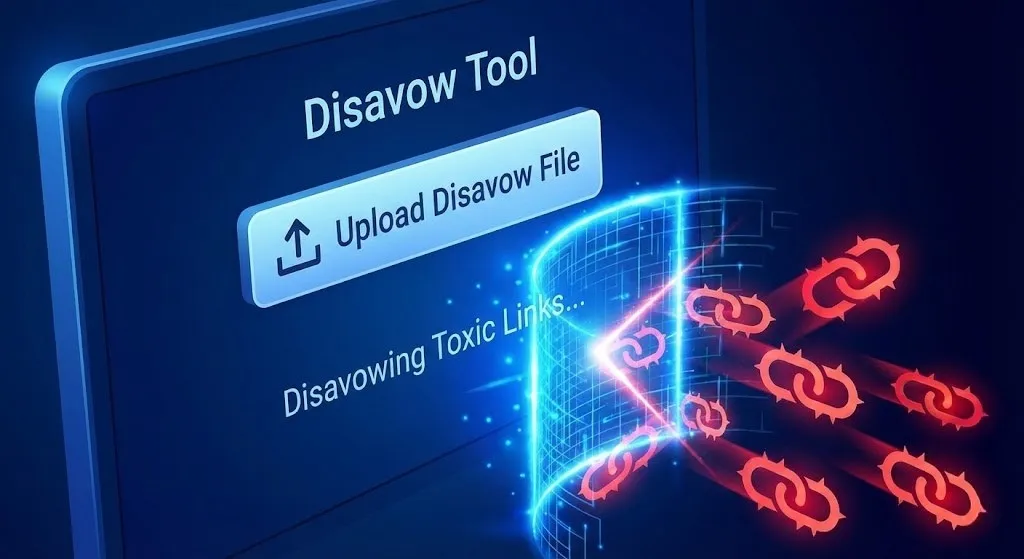
✅ Step 2: Disavow Toxic Backlinks
If:
- Website owners do not respond
- The website is spam
- The link cannot be removed
Then use the disavow method. Disavowing tells Google to ignore those links so they no longer affect your ranking.
This is a sensitive step, so always handle carefully. Wrong disavow actions can remove good links too. That’s why many professionals prefer proper learning through structured SEO education like a Professional SEO course, SEO certification course, or learning inside a Digital marketing training institute, especially during Advanced SEO training.
🌍 Real-Life Example 3: Blog Recovery Story
A popular blog started receiving toxic backlinks from blog networks. Over time, organic traffic began dropping. They performed a detailed backlink audit, removed bad links, disavowed non-removable ones, and continuously monitored.
Within months, rankings improved again.
Lesson: Toxic backlinks are manageable if handled correctly.
🔁 Keep Monitoring Regularly
Toxic backlinks are not a one-time issue. They may appear anytime, so backlink health monitoring should be regular.
Make sure to:
- Review backlink profile consistently
- Check new backlinks
- Identify suspicious activity
- Maintain a clean backlink environment
Just like regular health checkups protect your body, regular backlink checkups protect your website.
💬 Final Thoughts
Toxic backlinks are silent threats. They can quietly harm your rankings, credibility, and online presence if ignored. But with awareness and timely actions, you can stay safe.
When you:
✔ Understand what toxic backlinks are
✔ Detect them early
✔ Remove or disavow them properly
✔ Keep monitoring consistently
Your website remains stronger, safer, and more trusted.
Whether you upgrade skills through a Best SEO training institute, develop expertise in an SEO certification course, sharpen strategies in a Professional SEO course, learn structured SEO inside a Digital marketing training institute, or deepen knowledge through Advanced SEO training, understanding and managing toxic backlinks is a must for sustainable SEO success.
Disclaimer: The images and videos used in this blog are for educational and illustrative purposes only. Some visuals may be generated using AI tools, while others are sourced from publicly available platforms. We do not claim ownership of any third-party images or videos. All rights and credits belong to their respective owners.