Introduction
In a world before apps, planning a trip meant endless phone calls to agents or physical visits to booking counters. I personally can’t imagine traveling without pre-planning everything online. One of the pioneers that made this transition seamless for millions of Indians is Goibibo. Founded in 2009 by Ashish Kashyap, Goibibo emerged when the online travel market was still in its infancy. By focusing heavily on technology, speed, and a frictionless user experience, it quickly rose to become a dominant player. Its merger with MakeMyTrip in 2017 solidified its position as a travel giant, yet it retains a distinct identity, generating a reported $75 million in revenue as of August 2024.
The “GoCash” Masterstroke: A Lesson in Viral Acquisition
One of Goibibo’s most defining strategies wasn’t just a feature; it was a growth hack that fueled its early explosion.
- Shifting Spend from Ads to Users: Founder Ashish Kashyap asked a simple but powerful question: “If I am spending INR 100 a day on acquiring new buyers from Google and Facebook, can I move this money to this wallet called GoCash?”
- The Viral Loop: This led to the creation of GoCash, a robust virtual currency/loyalty program. Instead of paying ad networks, Goibibo paid its users in travel currency for referrals. This created a massive viral effect. Users became marketers, inviting friends to earn GoCash, which they could actually burn on bookings. This strategy not only acquired customers at a lower cost but also ensured retention, as users had a “balance” they wanted to use.
Digital Marketing & SEO Strategy
Goibibo’s digital strategy is a blend of high-performance SEO, engaging social content, and data-driven user experience.
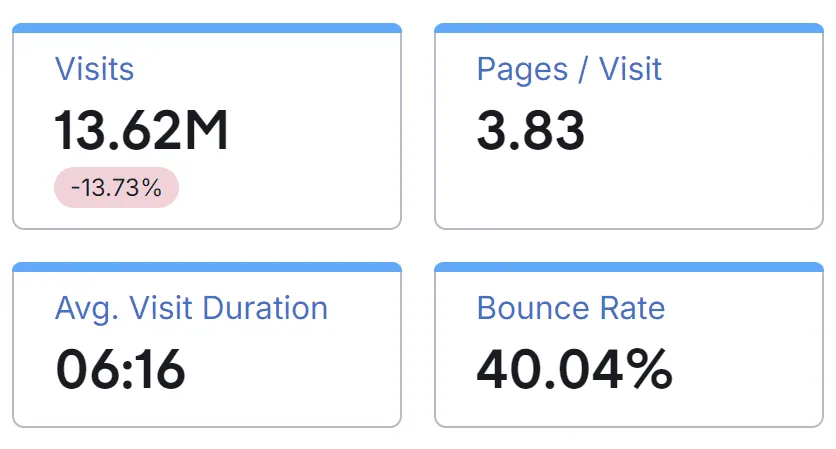
- SEO (Search Engine Optimization): In June 2024, Goibibo’s website metrics revealed a healthy digital ecosystem.
- High Engagement: Visitors view more than one page per session, and the average visit duration indicates genuine interest and intent to book.
- Low Bounce Rate: This signals that the landing pages are relevant and the user interface (UI) is intuitive.
- Organic Traffic: With significant organic traffic, Goibibo ranks well for high-volume travel keywords (e.g., “flight booking,” “hotels in Goa,” “bus tickets”). This organic reach reduces their dependency on paid search, although they do use paid ads strategically for competitive keywords.
- Social Media Marketing: With 94.8K followers on Instagram, Goibibo’s content strategy is highly interactive and trend-focused.
- Relatability & Humor: They create content around trending topics (Moment Marketing) and relatable travel struggles, which drives high engagement.
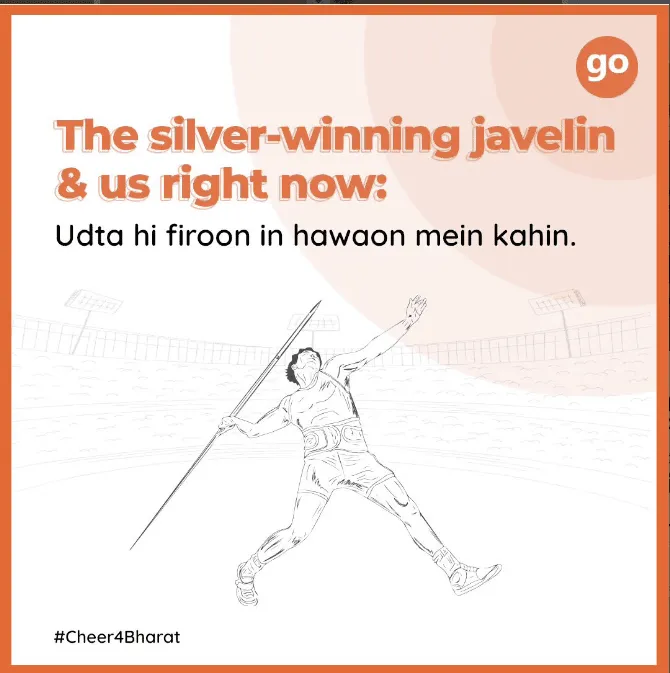
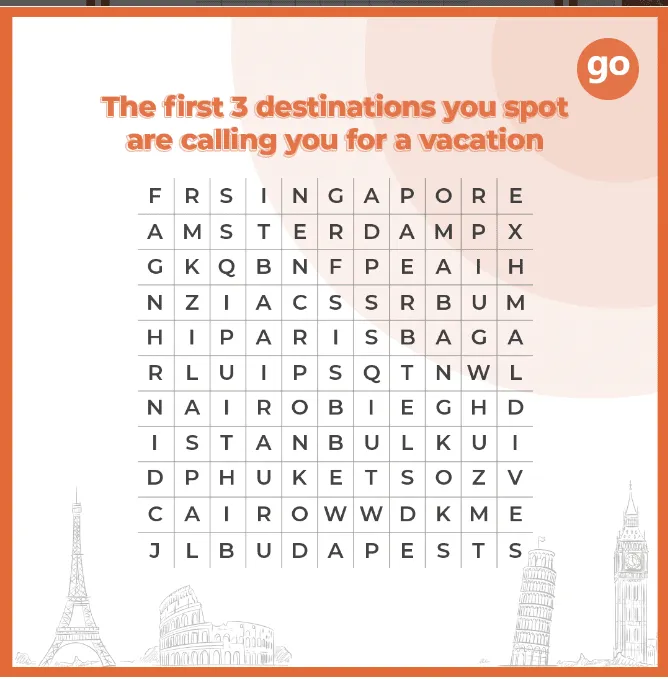
- Gamification: Regular contests, quizzes, and polls keep the community active.
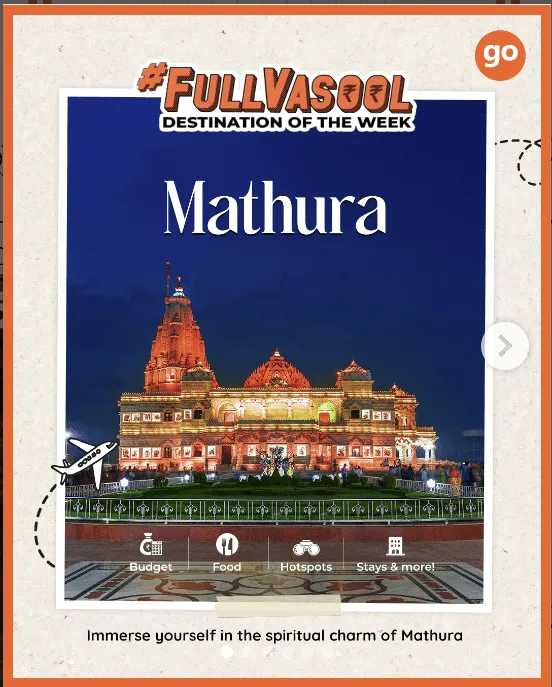
- Value-Added Content: Sharing curated itineraries (e.g., “3 Days in Jaipur”) provides genuine value to users in the planning phase, moving them from inspiration to booking.
- Community Engagement: Events like the “Friendship Day Comedy” show they understand their young, social audience and are willing to engage them beyond just transactions.
STP Analysis
- Segmentation: Goibibo segments the travel market into clear buckets:
- Price-Sensitive/Budget Travelers: Students and young professionals looking for the cheapest fares and stays.
- Business Travelers: Targeted via go-biz, focusing on speed, GST invoices, and premium properties.
- Families: Targeted with properties offering amenities like pools and proximity to tourist spots.
- Targeting:
- Primary Target: The tech-savvy, price-conscious youth (20-35). This group includes young professionals and college students who value the “GoCash” rewards and the speed of the app.
- Secondary Target: Middle-income families planning vacations and small business owners looking for efficient travel solutions.
- Positioning: Goibibo positions itself as the fastest, most trusted, and rewarding travel booking platform. Its messaging emphasizes “Speed,” “Reliability,” and “Value” (through discounts and GoCash). It is the “smart choice” for the modern traveler.
The 4 Ps of Marketing
- Product: Goibibo is a comprehensive travel super-app.
- Core Offerings: Flights, Hotels, Buses, Cabs, and Trains.
- User-Centric Features: The platform is designed to be “buyer-facing.” Features like hotel rankings based on user feedback ensure transparency and trust.
- GoCash: The integrated wallet and rewards program is a core product feature that drives the entire ecosystem.
- Mobile First: With 5 Cr+ downloads and a 4.6-star rating, the app is the primary product, optimized for a seamless on-the-go experience.
- Price: Goibibo employs a dynamic and competitive pricing strategy.
- Aggressive Discounting: Frequent sales, bank offers, and “flash deals” appeal to their price-sensitive base.
- Loyalty Currency: The use of GoCash allows them to offer “effective prices” that are lower than competitors, locking users into their ecosystem.
- Place: It is a digital-first marketplace.
- Mobile App & Website: The primary points of sale.
- Inventory Partnerships: Direct integrations with airlines, a vast network of hotels (budget to premium), and bus operators ensure they have the inventory to meet any demand.
- Promotion:
- Referral Marketing: The viral growth of GoCash.
- Celebrity Endorsements: Partnering with Deepika Padukone (and formerly with MakeMyTrip ambassadors) adds immense credibility and mass appeal.
- Digital & Traditional Mix: Using TV ads for broad awareness and targeted digital ads for conversion.
Influencer Marketing & Collaborations
- Strategy: Goibibo uses celebrity power to build trust and relatability, while using social media creators to drive engagement.
- Celebrity Collaborations: The campaign with Deepika Padukone was a significant move. It leveraged her star power to position Goibibo as a top-tier, trustworthy brand, moving it away from just being a “budget” option to a mainstream choice for everyone.
- Social Media Influencers: They collaborate with travel influencers and content creators to showcase destinations and the ease of booking on the app. Their use of comedy (e.g., Friendship Day Comedy) shows a willingness to collaborate with lifestyle influencers to reach their demographic in authentic ways.
Challenges & Competition
- Competition: The Indian OTA market is a battlefield.
- MakeMyTrip: Its parent company, but also its biggest rival in terms of market share and premium perception.
- Cleartrip & Yatra: Strong competitors in the flight and corporate travel sectors.
- Direct Airline/Hotel Booking: Consumers increasingly comparing prices and booking directly with service providers to avoid platform fees.
- Challenges:
- Price Wars: The industry is historically driven by deep discounting, which eats into margins. Retaining customers without constant discounts is a challenge.
- Customer Loyalty: In a price-sensitive market, customers often switch apps for a difference of a few rupees. Goibibo combats this with GoCash, but churn remains a threat.
🔑 Key Takeaways from Goibibo’s Marketing
- Turn Marketing Spend into User Rewards: The shift from paying Google/Facebook to paying users via GoCash was a brilliant acquisition strategy that built a loyal community.
- Feedback Loop as a Product Feature: By ranking hotels based on user feedback, they improved the product quality and built trust, making the platform “buyer-facing.”
- Gamification Works: Contests, polls, and loyalty points aren’t just gimmicks; they are essential retention tools in a low-loyalty industry.
- Strategic Alliances: The merger with MakeMyTrip allowed them to dominate the market while keeping their distinct brand identity alive to cater to a specific segment (budget/youth).
The images, videos used in this post are for informational and educational purposes only. We do not own the rights to these images, videos and all rights remain with their respective owners.