
Introduction
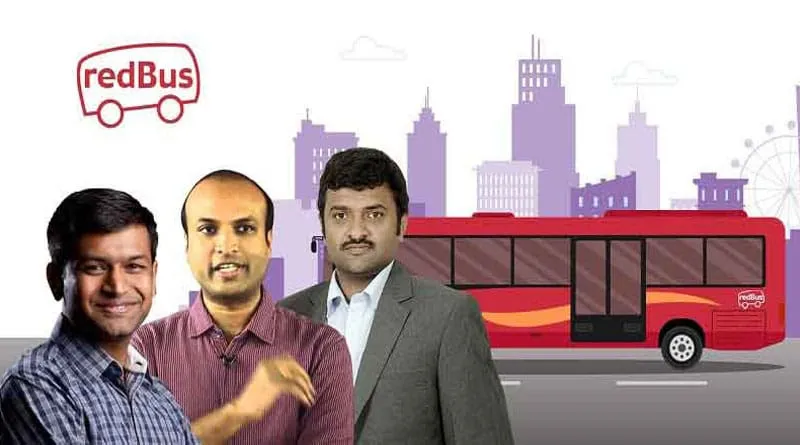
Before 2006, booking a bus ticket in India was an exercise in frustration. It involved physical visits to chaotic bus stations, haggling with travel agents, zero transparency on seat availability, and no guarantee that you would actually get on the bus. The idea for RedBus was born from this very chaos. Phanindra Sama, unable to find a ticket home for Diwali, realized the massive gap in the fragmented Indian bus travel market. Along with co-founders Sudhakar Pasupunuri and Charan Padmaraju, he envisioned a digital solution. Launched in August 2006, RedBus didn’t just sell tickets; it organized an unorganized industry, empowering millions to travel with dignity and convenience. Today, with a 70% market share, RedBus is the undisputed king of Indian roads.
The Core USP: Digitizing the Unorganized
RedBus’s success wasn’t just about putting tickets online; it was about creating an ecosystem where none existed.
- Solving the “Black Box” Problem: Before RedBus, passengers had no visibility into inventory. RedBus created a software solution (BOSS – Bus Operator Software System) for bus operators first, digitizing their inventory. This was the masterstroke. By solving the operator’s problem, they unlocked the inventory for the consumer, providing real-time visibility on seats and prices.
- Standardization of Service: They introduced features that are now industry standards but were revolutionary at the time: Seat Selection, Transparent Pricing, and crucially, Live Bus Tracking. This transformed bus travel from a gamble into a predictable, reliable experience.
Digital Marketing & SEO Strategy
RedBus operates in a high-volume, transaction-heavy digital environment. Their strategy is focused on capturing intent and ensuring a frictionless user journey.
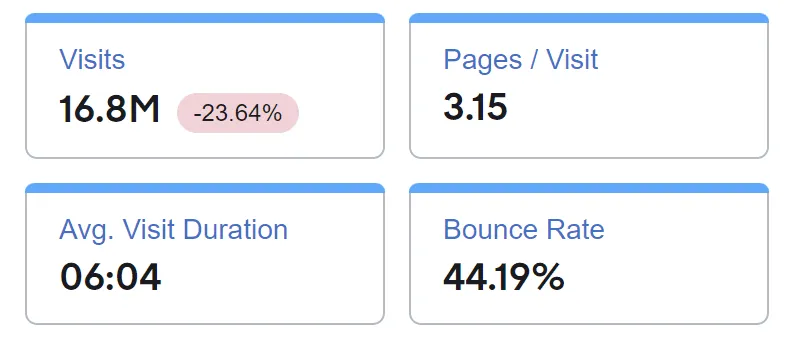
- SEO (Search Engine Optimization): RedBus dominates the search landscape for bus travel. In June 2024, their website attracted 21.08 million organic visits compared to just 262.4K paid visits. This immense organic reach is due to their early mover advantage and site structure. They rank for thousands of route-specific keywords (e.g., “Bangalore to Chennai bus,” “Volvo sleeper bus to Goa”).
- Mobile-First Focus: With 83.37% of visitors coming from mobile, their mobile site and app are optimized for speed and ease of use, reflected in their low bounce rate.
- Email Marketing (Data-Driven Optimization): RedBus demonstrated the power of data analytics to solve a specific marketing problem: low engagement on feedback emails (7% open rate). By analyzing user behavior, they realized that sending emails immediately after a trip wasn’t effective. They pivoted to sending emails on Monday mornings (when users are back at work) and targeted peak travel days. This simple, data-backed change nearly doubled their open rates to 13%.
- Social Media Marketing: Their Instagram handle (redbusindia) focuses on engagement and relatability.
- Trendjacking & Memes: They use humor to connect with young travelers.
- Contests: Gamification is used to incentivize engagement and keep the brand top-of-mind.
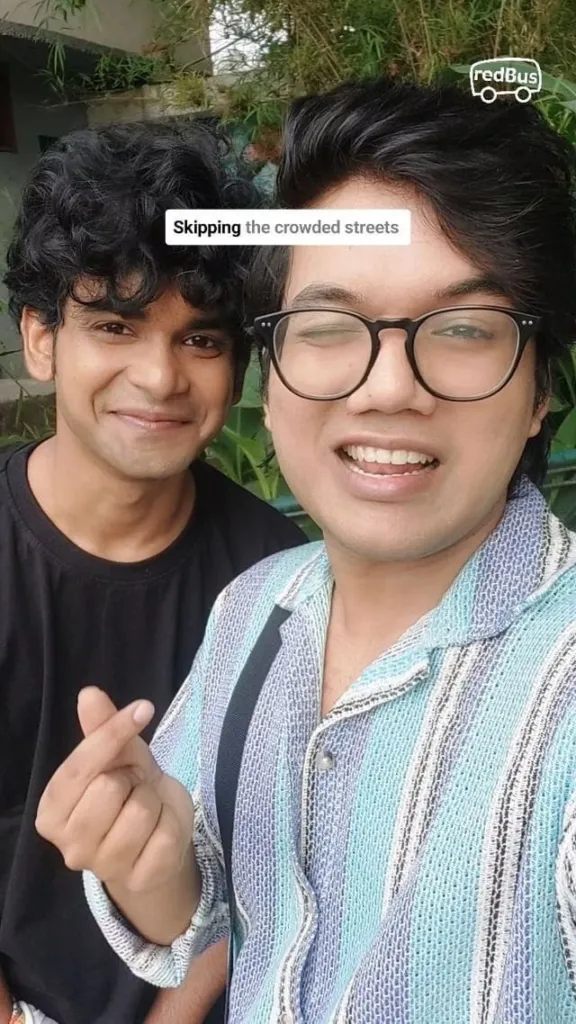
- Influencer Collaborations: They partner with travel influencers to showcase the ease and comfort of modern bus travel.
STP Analysis
- Segmentation:
- Demographic: The sweet spot is Young Professionals (20-35) and College Students. These are digital natives who travel frequently for work or to visit home and value convenience over the traditional “agent” experience. They also target Middle-Income Families looking for affordable vacations.
- Geographic: Initially focused on major hubs like Bangalore, Chennai, and Mumbai, they have aggressively expanded into Tier-2 and Tier-3 cities, which now account for a significant chunk (57% in 2019) of their bookings.
- Behavioral: Segments users into “Planners” (who book in advance) and “Last-Minute Travelers” (who need quick solutions).
- Targeting: The primary target is the tech-savvy urban and semi-urban traveler who prioritizes convenience and transparency. Secondary targets include senior citizens (who benefit from seat selection) and tourists navigating India.
- Positioning: RedBus positions itself as the smartest, simplest, and most reliable way to travel by bus. They are the antidote to the chaos of the offline world, offering “Travel with Confidence.”
The 4 Ps of Marketing
- Product: RedBus is a platform, but its “product” features are its competitive moat.
- Inventory: Access to thousands of private operators and government RTCs (Road Transport Corporations).
- Features: Real-time bus tracking, seat selection, ratings & reviews (social proof), and “Wake Up Alarm” features.
- Safety: Introducing “Safety+” measures post-pandemic to reassure travelers.
- Price: RedBus employs a dynamic pricing model. Prices fluctuate based on demand, seasonality, and bus type (AC/Non-AC, Sleeper/Seater). To drive adoption, they heavily use promotional pricing:
- First-ride discounts to acquire new users.
- Referral bonuses to drive organic growth.
- Cashback partnerships with payment gateways and wallets.
- Place: It is a purely digital marketplace.
- Mobile App: With over 5 crore downloads, the app is the primary point of sale, designed for on-the-go booking.
- Website: A robust desktop and mobile site for research and booking.
- Promotion:
- Brand Ambassador: Roping in Allu Arjun, a massive pan-India star, was a strategic move to target both the Hindi-speaking belt and the South Indian market (RedBus’s stronghold). The ads highlight specific pain points like haggling and seat uncertainty, presenting RedBus as the solution.
- Digital Ads: Targeted ads on Google and social media based on travel intent.
Influencer Marketing & Collaborations
- Strategy: RedBus uses a mix of celebrity power for mass awareness and micro-influencers for niche engagement.
- Celebrity Endorsement (Allu Arjun): This partnership is crucial for “Tier-2 and Tier-3 penetration.” Allu Arjun appeals to the masses. The ad campaigns featuring him are relatable, often humorous sketches that depict the struggles of traditional booking versus the ease of RedBus.
- Goal: To build mass trust and change the habit of offline booking. By showing a popular superstar using the app, they normalize online bus booking for a wider, non-metro audience.
Challenges & Competition (SWOT Insights)
- Challenges:
- Rural Penetration: While growing, internet accessibility in deep rural pockets remains a barrier.
- Operator Dependency: RedBus owns no buses. If a bus operator cancels a trip or provides poor service, the negative sentiment often falls on RedBus.
- Trust Issues: Convincing the traditional traveler that an “invisible” ticket on a phone is valid was a major initial hurdle that still exists in some demographics.
- Competition:
- OTAs (MakeMyTrip, Goibibo, Ixigo): These giants offer bus booking as part of a larger travel suite (flights, hotels). They have deep pockets and can offer aggressive cross-subsidized discounts.
- Direct Competitors (AbhiBus): Niche players focused solely on buses who compete on specific regional strongholds.
- Government Portals: State RTC websites are direct competitors for government bus inventory.
The images, videos used in this post are for informational and educational purposes only. We do not own the rights to these images, videos and all rights remain with their respective owners.


Connect With Us
Follow us for updates on our latest courses and events!