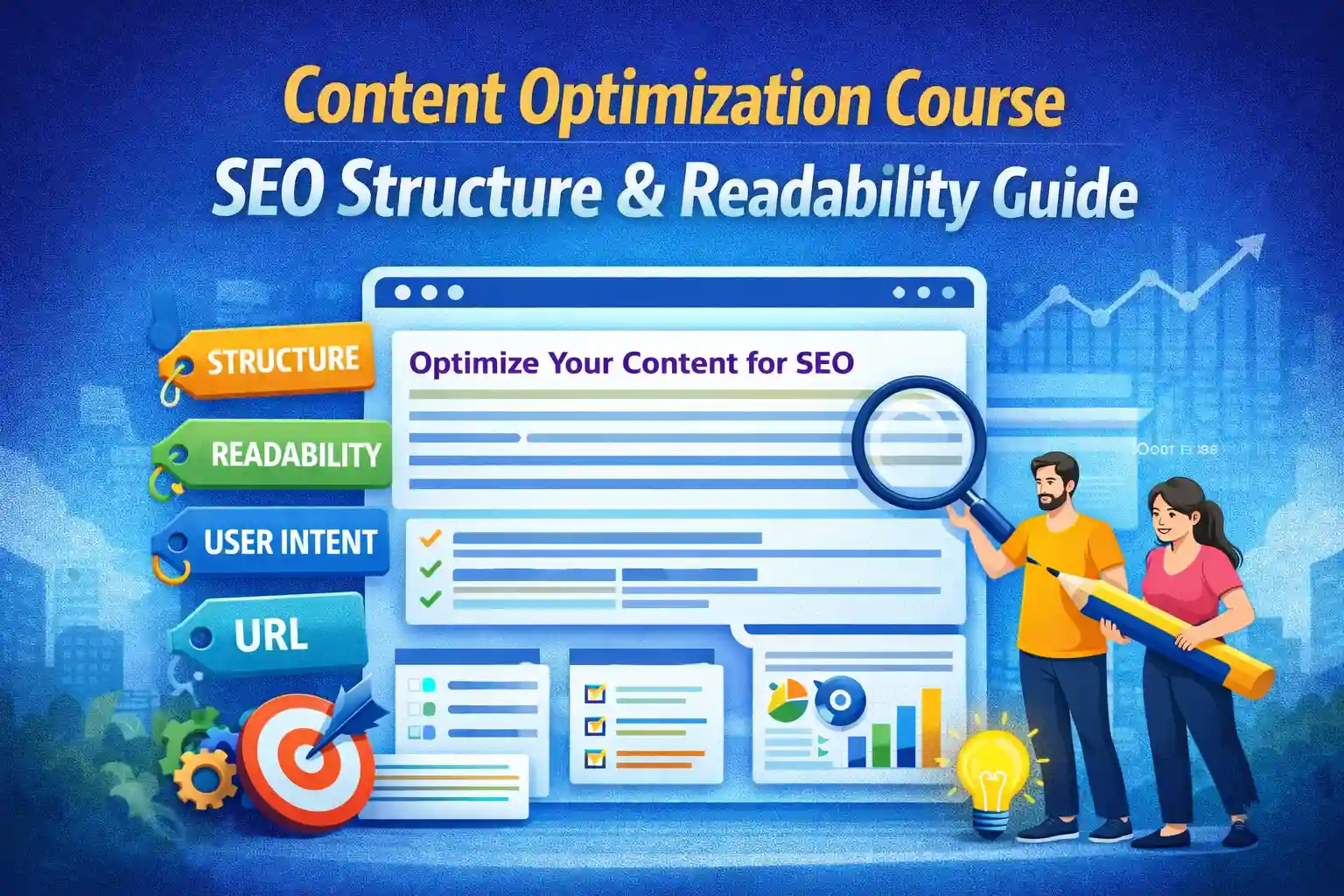
When it comes to ranking on Google, content optimization plays a huge role in success. Whether you are learning through an SEO content optimization course, gaining skills at a Digital marketing training institute, searching for SEO classes near me, upgrading knowledge through a Content optimization course, or training with an SEO content writing institute, understanding content structure, readability, and user intent is extremely important for strong SEO results.
⭐ What is Content Optimization in SEO?
Content optimization means improving your content so that:
➡️Google understands it better
➡️Users enjoy reading it
➡️Your page ranks higher
➡️Your website gains trust
Good content does not only rank. It connects, communicates, and converts.
Why Content Optimization is Important?
Optimized content helps in:
➡️Better rankings
➡️More traffic
➡️Improved user experience
➡️Higher engagement
➡️Strong brand authority
Even experienced trainers in a Digital marketing training institute say:
Before backlinks, technical SEO, or ads — content must be powerful.
Three Pillars of Content Optimization
1️⃣ Structure – How Your Content is Organized
A well-structured content helps both users and Google.
If your content is arranged properly, people stay longer and Google understands your topic clearly.
✔ Good Content Structure Includes:
- Proper headings
- Subheadings
- Bullet points
- Short paragraphs
- Logical flow
STRUCTURE
Always maintain:
- H1 – Main Title
- H2 – Main Subtopics
- H3 – Supporting Points
This makes content clean, readable, and professional.
✅ Good vs Bad Example
❌ Bad Content:
Long text with no headings, no breaks, no clarity.
✅ Good Content:
Clear headings + spacing + easy to read.
Better structure = Better results.
2️⃣ Readability – Make Content Easy to Understand
Your content should feel like a natural conversation, not a complicated textbook.
✔ What Improves Readability?
- Simple words
- Short sentences
- Easy explanation
- Proper spacing
- Friendly tone
Even in an SEO content optimization course, trainers focus heavily on readability because Google wants content made for humans.
READABILITY TIP
Write content assuming:
- Your reader is not technical
- Your reader is busy
- Your reader wants clarity
Simple content performs better.
3️⃣ User Intent – Understand What People Want
User intent means understanding WHY someone is searching.
There are mainly four types of intent:
| Informational | Learning something | What is SEO? |
| Navigational | Going to a site | Facebook login |
| Commercial | Comparing options | Best SEO course |
| Transactional | Ready to buy | Enroll SEO course |
If your content matches user intent, Google pushes it higher.
This is always taught deeply in a Content optimization course.

💡 Real Life Example 1
A coaching website wrote blogs only for ranking.
They never thought about user needs.
Their blogs were robotic, overloaded with keywords, and had no structure.
Later, after training from an SEO content writing institute, they rewrote content in:
➡️Simple English
➡️Proper headings
➡️Clear messaging
➡️Human tone
Result?
Traffic increased, people stayed longer, and leads improved.
Good content = Real growth.
🧠 How to Optimize Content Step-by-Step
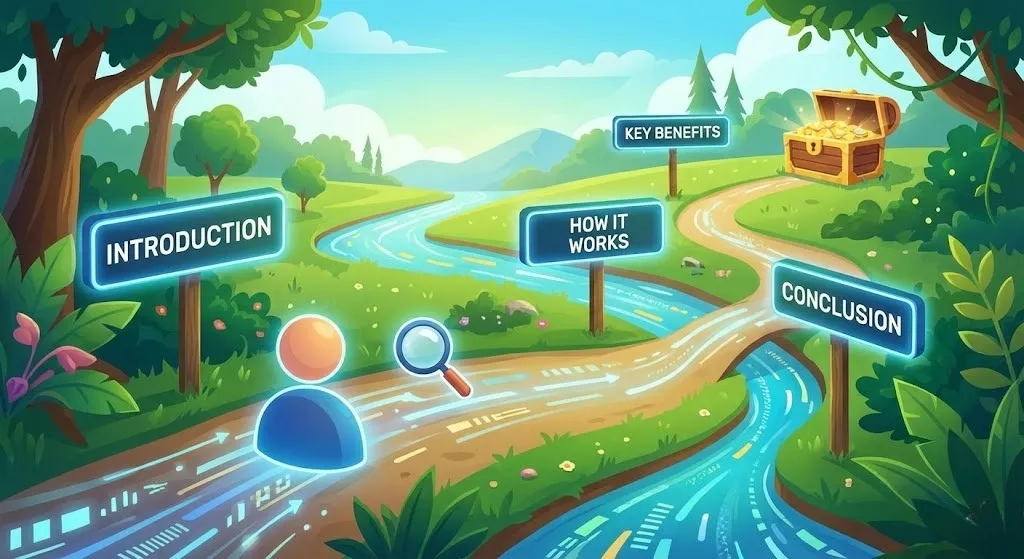
1️⃣ Start with Meaningful Headings
Headings guide the reader and Google.
They create a story flow.
2️⃣ Use Keywords Naturally
Do not force keywords.
Use them where they make sense.
Your goal is natural communication.
This is something every SEO classes near me teaches explains again and again.

3️⃣ Make Content Engaging
Use:
- Examples
- Questions
- Scenarios
Make readers feel involved.

4️⃣ Add Internal Links
Internal links help users explore more pages and help Google understand website structure.
5️⃣ Add Visual Elements
Tables, boxes, bullet points, and highlights improve readability and user experience.
💡 Real Life Example 2
A student created a blog website.
He wrote long content but nobody read it.
The problem was not content quality.
The problem was:
- No structure
- No flow
- No formatting
- Hard to read
After learning from a Digital marketing training institute,
he changed his writing style, improved readability, and organized content.
What happened?
Visitors started staying longer.
Bounce rate dropped.
Rankings increased.
Small improvements — big impact
📊 Content Optimization Quick Table
| Element | Purpose | Benefit |
| Structure | Organizes content | Better readability |
| Readability | Easy to understand | More engagement |
| User Intent | Matches purpose | Better ranking |
| Internal Links | Navigation | More session time |
| Formatting | Visual experience | Better user trust |

💬 Real Life Example 3
A business website focused only on keywords.
Their content looked artificial and spammy.
Google didn’t rank them.
Then they learned from an SEO content optimization course,
rewrote content with human emotion, clarity, and flow.
Soon, their blogs started ranking and conversions improved.
Because Google loves human-first content.
❌ Common Content Optimization Mistakes
- Writing only for Google
- Keyword stuffing
- Long paragraphs
- No headings
- No user focus
- Copying ideas blindly
Smart SEO means balancing humans + search engines.
🧾 Best Practice Checklist
Use this checklist every time you create content:
✔ Clear structure
✔ Readable language
✔ Proper headings
✔ Natural keywords
✔ Internal links
✔ Relevant information
✔ User-focused approach
✔ No keyword stuffing
Follow this consistently and success becomes easier.
🎯 Final Thoughts
Content optimization is not just about ranking.
It is about helping users, answering their questions, and building trust.
Whether you learn from an SEO content optimization course, study at a Digital marketing training institute, search for SEO classes near me, build skills through a Content optimization course, or train at an SEO content writing institute, mastering structure, readability, and user intent will always give you strong results.
Disclaimer: The images and videos used in this blog are for educational and illustrative purposes only. Some visuals may be generated using AI tools, while others are sourced from publicly available platforms. We do not claim ownership of any third-party images or videos. All rights and credits belong to their respective owners.