
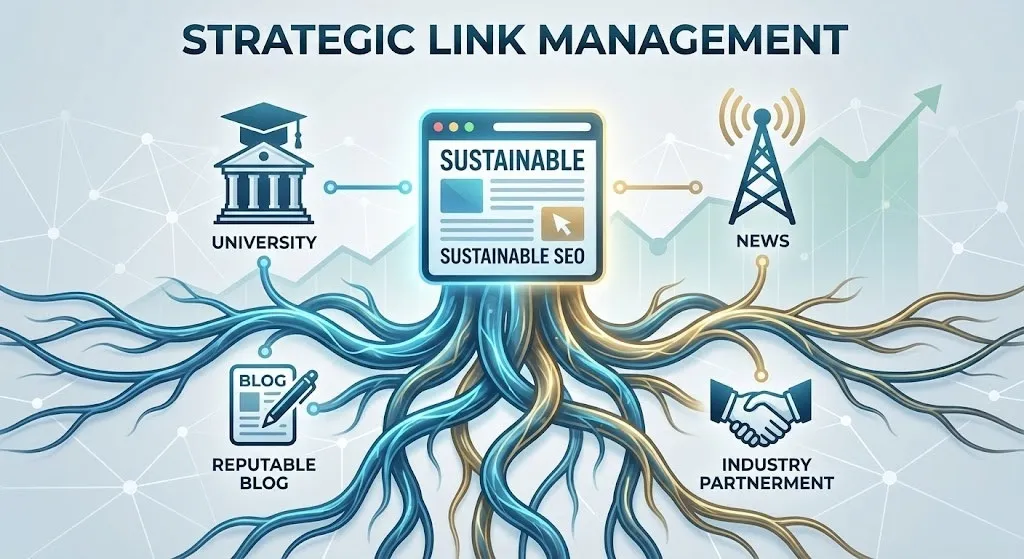
If you truly want long-term, stable, and powerful SEO results, you need more than just random link building. You need strategic link management. Link management is not only about getting backlinks; it is about controlling quality, consistency, relevance, and long-term impact. When your link strategy is planned and well-managed, your website gains stronger authority, higher trust, and better ranking stability — and this approach is clearly taught inside a Digital marketing training institute.
That is why strategic link management is taught in detail in a Best SEO training institute, deeply practiced inside a Digital marketing training institute, strengthened through Advanced SEO training, structured in a Professional SEO course, and highlighted in every SEO certification course.
But even if you are not enrolled in any program, this guide will help you understand link management in a clear, simple, and practical way.
⭐ What Is Strategic Link Management?
Strategic link management means planning, building, monitoring, and maintaining backlinks in a controlled and smart way. It focuses on quality over quantity and sustainability over shortcuts.
It includes:
- Building relevant and meaningful backlinks
- Ensuring backlinks come from trusted websites
- Removing or fixing harmful links
- Maintaining balance and diversity
- Tracking link performance regularly
Instead of chasing random links, you create a strong link ecosystem that supports long-term SEO success.
🔍 Why Is Strategic Link Management Important?
Many websites rank high for a while and then suddenly drop. One of the biggest reasons is poor backlink management. Wrong or weak links can hurt you, while powerful links can strengthen your growth.
Strategic link management helps you:
✔ Build Authority
Trusted backlinks make search engines see your website as credible and reliable.
✔ Maintain Stability
A balanced link structure prevents ranking drops.
✔ Gain Long-Term Growth
Well-managed links support sustainable SEO instead of temporary boosts.
✔ Protect Your Website
You stay safe from penalties caused by toxic or spammy backlinks.
These concepts are core learning areas in professional SEO education, especially inside a Best SEO training institute and Digital marketing training institute.
🧠 Step 1: Focus on Quality Backlinks, Not Just Numbers
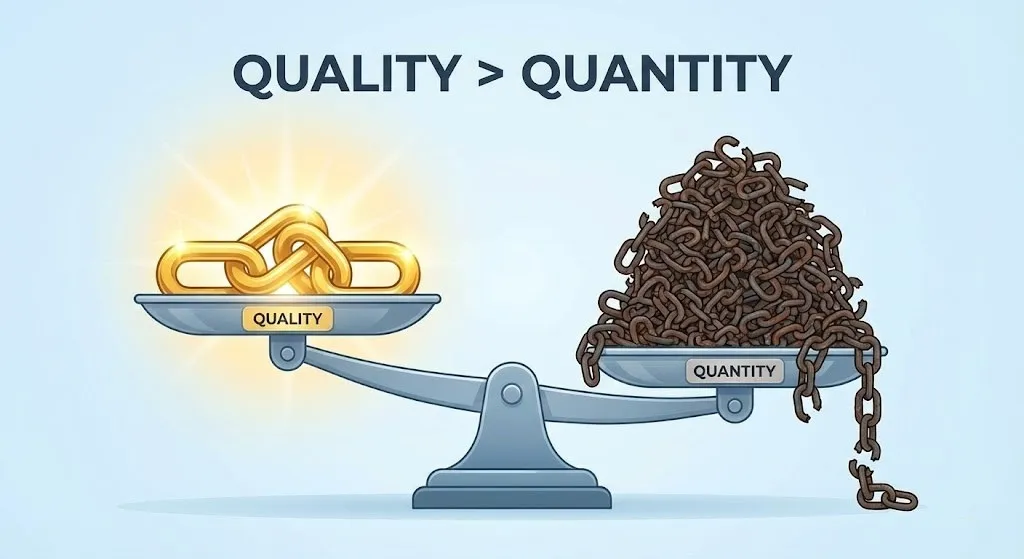
A common mistake is thinking more backlinks automatically mean better ranking. In reality, a few strong links can beat hundreds of weak ones.
A quality backlink usually comes from:
- A relevant website in your industry
- A trusted and authoritative site
- Genuine content and real audience
- Natural placement inside useful information
Search engines prefer meaningful connections over artificial linking. This mindset is developed deeply during Advanced SEO training.
🌍 Real-Life Example 1: Company A vs Company B
Company A built 500 random backlinks from low-quality sites.
Company B built only 60 backlinks but from strong, relevant, and respected websites.
Result?
Company B ranked higher, gained trust, and stayed stable.
Company A faced ranking drops and risk of penalties.
This proves quality and strategy always win.
🔎 Step 2: Maintain a Balanced Link Profile
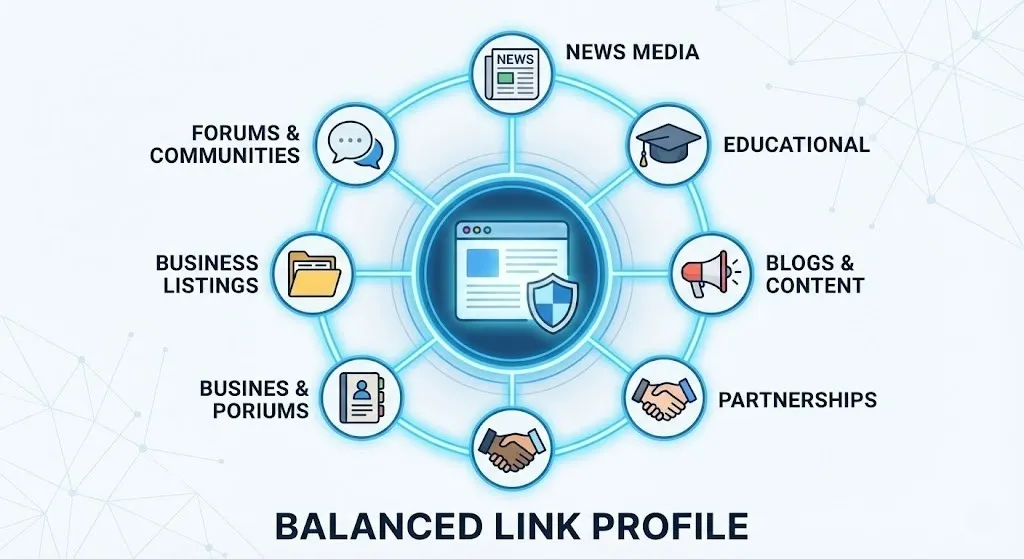
A strong backlink profile should be natural and diverse. This means links should come from different types of websites and platforms, not just one source.
A balanced profile may include:
- Blogs and articles
- News websites
- Educational platforms
- Business listings
- Industry communities
- Relevant directories
Balance shows real trust and natural growth. A structured Professional SEO course teaches exactly how to achieve this.
🏢 Real-Life Example 2: Local Business Growth
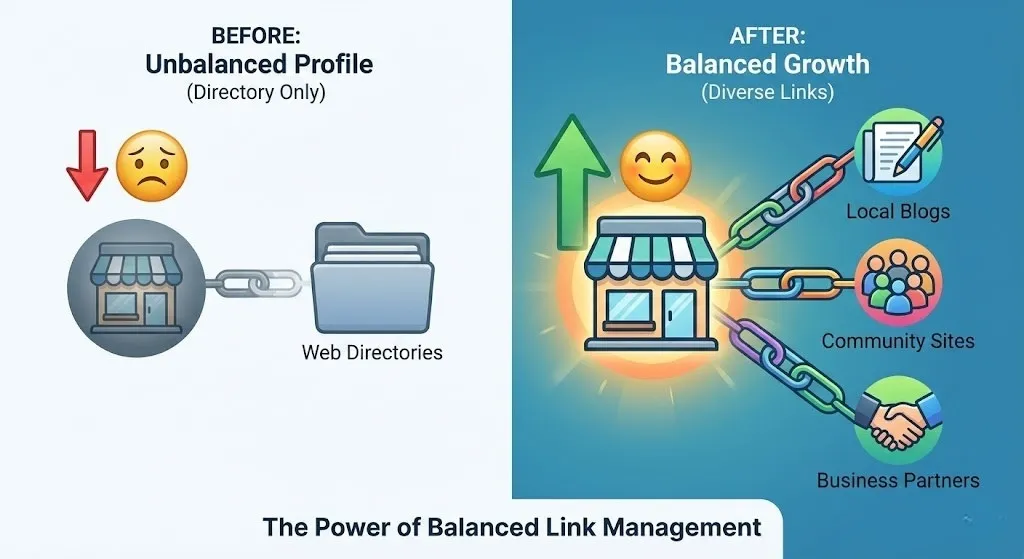
A local business only relied on directory backlinks. When Google updated its algorithm, their ranking dropped because their link profile wasn’t diverse.
They then:
- Gained backlinks from local blogs
- Partnered with community sites
- Built relationships with relevant businesses
Soon, their ranking stabilized and gained stronger credibility.
This is the power of balanced link management.
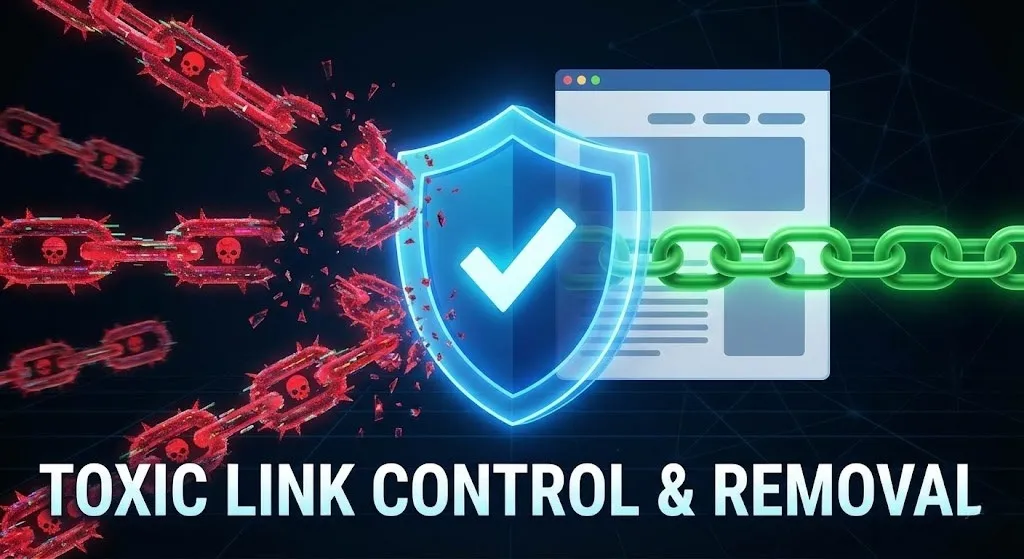
⚠️ Step 3: Identify and Control Toxic Links
Strategic link management is not only about adding good links; it is also about removing harmful ones.
Toxic backlinks can come from:
- Spam websites
- Irrelevant industries
- Low-quality networks
- Paid link schemes
If ignored, they can harm your SEO. Strategic link management always includes:
- Regular backlink audits
- Identifying risky links
- Removing or disavowing harmful links
This is an essential skill emphasized in SEO certification course training.
🔁 Step 4: Monitor Your Backlinks Regularly
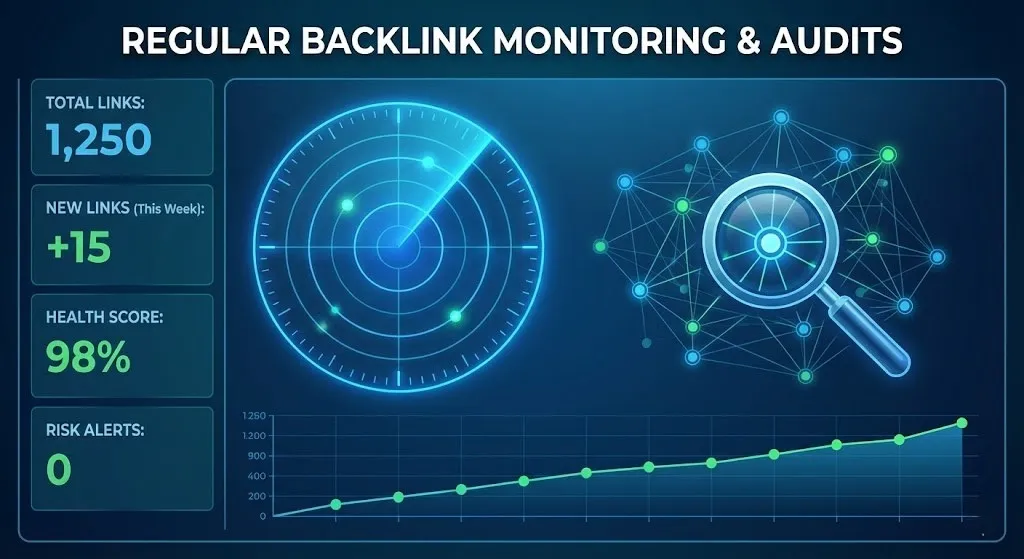
SEO is never “done once.” Backlinks change over time. New ones appear, old ones disappear, and some become harmful. Strategic link management requires constant awareness.
Make sure to:
- Review your backlinks regularly
- Track new backlinks
- Check link quality
- Monitor performance impact
Just like checking your health keeps you fit, checking your backlinks keeps your SEO safe and strong.
📚 Step 5: Build Relationships, Not Just Links
The best backlinks come from genuine relationships, not forced link exchanges. When people trust your brand, they willingly link to you.
Build relationships by:
- Sharing valuable knowledge
- Networking with industry experts
- Collaborating with bloggers or creators
- Providing helpful content and insights
Relationship-based link building creates strong, long-lasting, and respected backlinks. This mindset is developed through real-world learning inside Advanced SEO training and professional SEO practice.
🌟 Real-Life Example 3: Content Relationship Success
A learning platform started sharing informative guides and collaborated with education websites. Instead of begging for backlinks, they focused on value and relationships.
Result:
- Natural backlinks
- Increased visibility
- Strong brand credibility
This is true strategic link management — building value that earns links, not chasing links without purpose.
🧩 Strategic Link Management = Sustainable SEO Success
When link management is strategic, your SEO becomes:
- Stronger
- Safer
- More stable
- More powerful
Instead of short-term ranking jumps, you achieve consistent and meaningful growth.
✅ Final Thoughts
Strategic link management is one of the most important pillars of sustainable SEO growth. It is not about shortcuts or tricks; it is about planning, quality, intelligence, and responsibility.
When you:
✔ Focus on quality backlinks
✔ Maintain balance and diversity
✔ Remove harmful links
✔ Monitor regularly
✔ Build genuine relationships
you build SEO success that lasts.Whether you learn inside a Best SEO training institute, study practically in a Digital marketing training institute, enhance skills through Advanced SEO training, develop expertise in a Professional SEO course, or strengthen fundamentals in an SEO certification course, mastering strategic link management is essential for real, sustainable SEO growth.
Disclaimer: The images and videos used in this blog are for educational and illustrative purposes only. Some visuals may be generated using AI tools, while others are sourced from publicly available platforms. We do not claim ownership of any third-party images or videos. All rights and credits belong to their respective owners.