
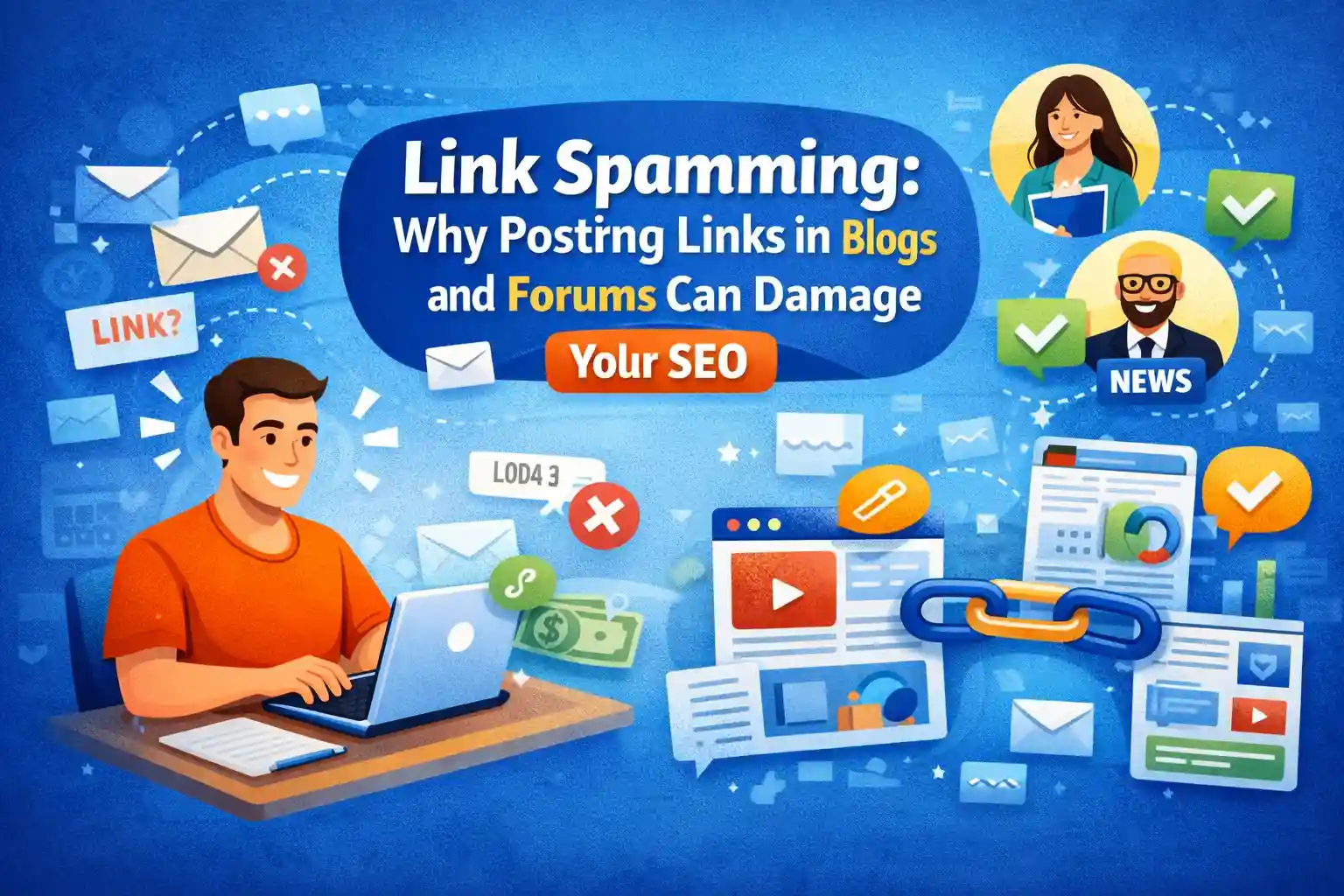
Many people think posting links everywhere on the internet will help their website rank faster. They drop links in blog comments, forums, discussion boards, and random platforms believing it will boost SEO. But the truth is very different. Link spamming is one of the most harmful practices in SEO, and search engines strictly dislike it. Instead of helping, it can damage your rankings and reputation — something clearly explained in every SEO training institute.
This important concept is taught seriously in every Best SEO training institute, explained clearly inside a Digital marketing institute, highlighted strongly in an SEO certification course, practiced in a Professional SEO course, and deeply covered in an SEO training institute. But even if you are not learning from an institute, this guide will help you understand why link spamming is dangerous and what you should do instead.
⭐ What Is Link Spamming?
Link spamming means posting your website link everywhere without value, purpose, or relevance. It is done only to manipulate rankings rather than genuinely helping users.
Common examples of link spamming include:
- Posting links in blog comments randomly
- Dropping links in forums without meaningful discussion
- Posting links repeatedly on different websites
- Using automated tools to spread links
- Sharing links on unrelated websites
These links are not natural. They do not provide value. They exist only to trick search engines.
And search engines are smart enough to detect that.
🔍 Why Do People Still Spam Links?
People spam links because they believe:
- More links = better ranking
- Any backlink is a good backlink
- Quick tricks will bring fast SEO success
But SEO does not reward shortcuts. Search engines care about quality, relevance, and user value. Link spamming clearly goes against all three.
This misunderstanding is corrected through structured learning in professional SEO programs like SEO certification course and Professional SEO course.
⚠️ Why Link Spamming Is Dangerous for SEO
Search engines actively track all backlink activities. When they notice suspicious or spammy link behavior, they treat it as manipulation.
Here is how link spamming can harm your website:
✔ You Lose Trust
Search engines want genuine recommendations. When your backlinks come from spammy blog comments or irrelevant forums, trust gets affected. A website that looks desperate for links automatically appears less credible.
✔ You Can Face Penalties
Search engines have clear guidelines against spam techniques. If your spam activity becomes noticeable:
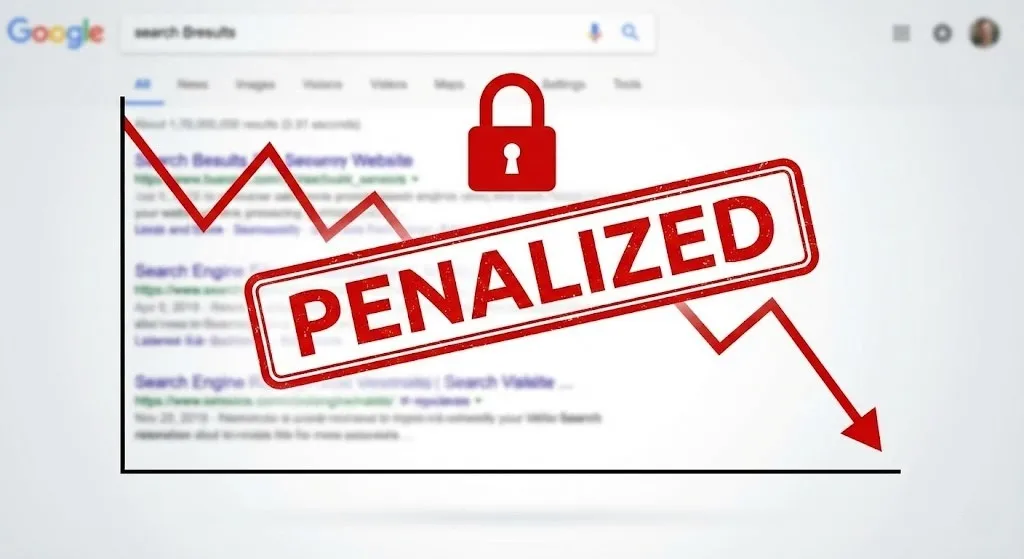
- Your rankings can drop
- Your website can lose visibility
- In extreme cases, your site may receive penalties
Recovering from penalties is difficult and time-consuming.
✔ You Attract Toxic Backlinks
Links from low-quality or spammy places are considered toxic. Instead of boosting SEO, they weaken your backlink profile. Cleaning up toxic backlinks later requires effort and expertise.
This is why every Digital marketing institute and SEO certification course teaches the importance of backlink quality, not quantity.
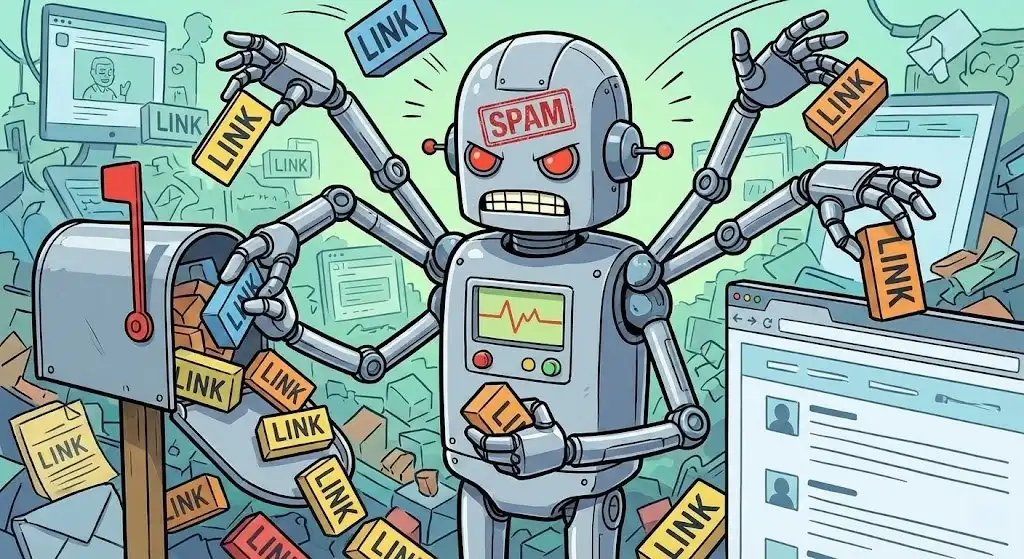
🌍 Real-Life Example 1: Blog That Lost Ranking Due to Spam
A blogger wanted quick success, so they posted links everywhere—comment sections, random question platforms, and unrelated websites. For a short time, small improvements appeared, but soon search engines detected spam activity.
Result:
- Rankings dropped suddenly
- Organic traffic declined
- Trust score weakened
Only after removing spam links and changing strategy did the blog slowly recover.
🧠 Real-Life Example 2: Business Website Impact
A business hired a cheap backlink service promising “thousands of links in days.” Most of those links came from forums, comment spam, and unrelated sites. Within months, the business website started losing search visibility.
They later learned these were harmful backlinks created through link spamming. Only proper corrective steps helped them rebuild reputation.
This experience is discussed in many learning sessions in a Professional SEO course and SEO training institute, showing why spam shortcuts are dangerous.
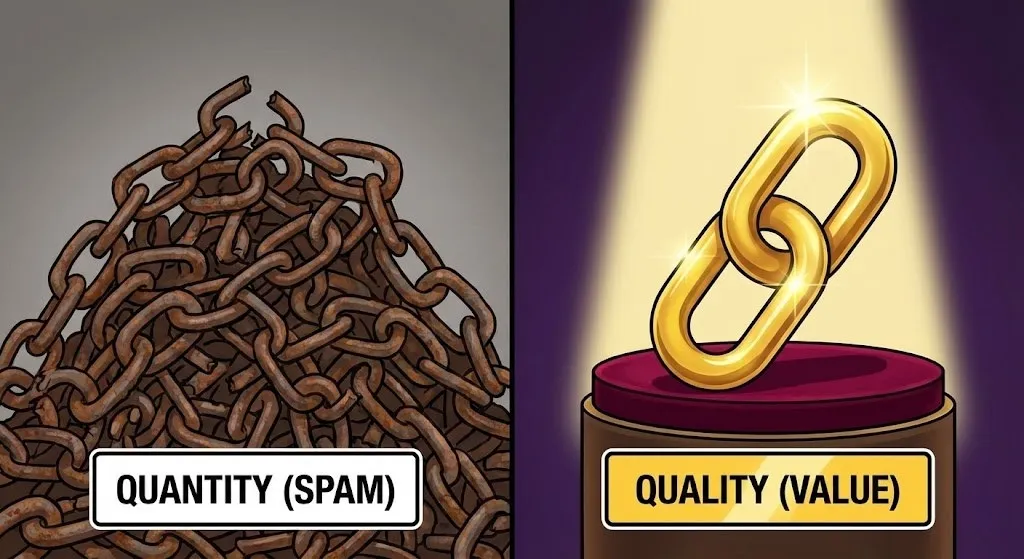
📚 Why Search Engines Prefer Quality Over Quantity
Search engines are built to help users. They promote websites that provide genuine value. Quality backlinks usually come from:
- Relevant industry websites
- Trusted platforms
- Meaningful content references
- Strong resources
- Real relationships
Spam links do none of this. That is why search engines immediately separate real links from spam links.
This difference is explained deeply in a Best SEO training institute.
🧩 What Should You Do Instead of Link Spamming?
If you want strong and safe SEO results, focus on ethical and meaningful strategies instead of shortcuts.
Better approaches include:
- Creating valuable content people naturally want to link to
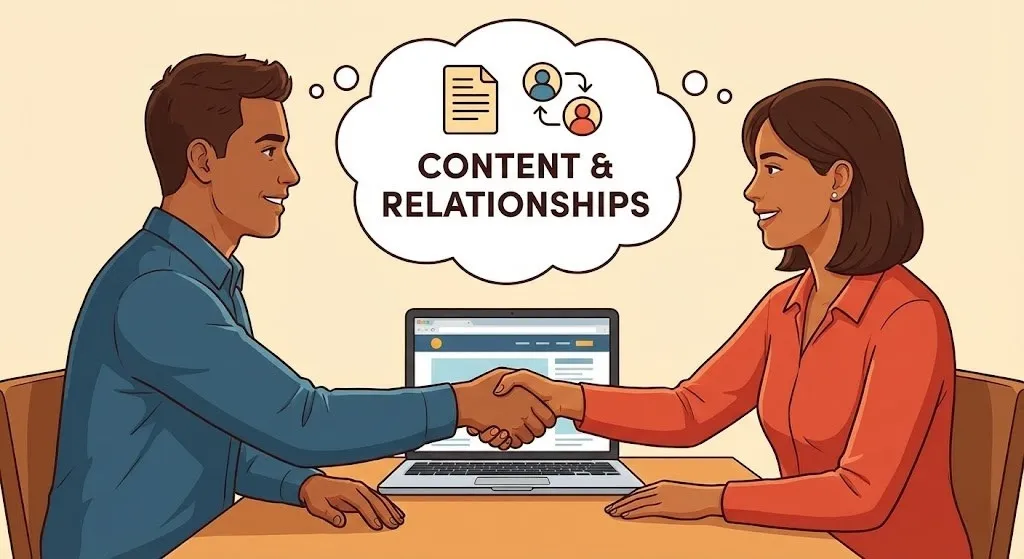
- Building relationships with bloggers and website owners
- Getting mentioned on relevant industry platforms
- Sharing knowledge, not just links
- Providing solutions, not spam promotion
This mindset is strongly encouraged in structured SEO learning, such as a Digital marketing institute, SEO certification course, and Professional SEO course.
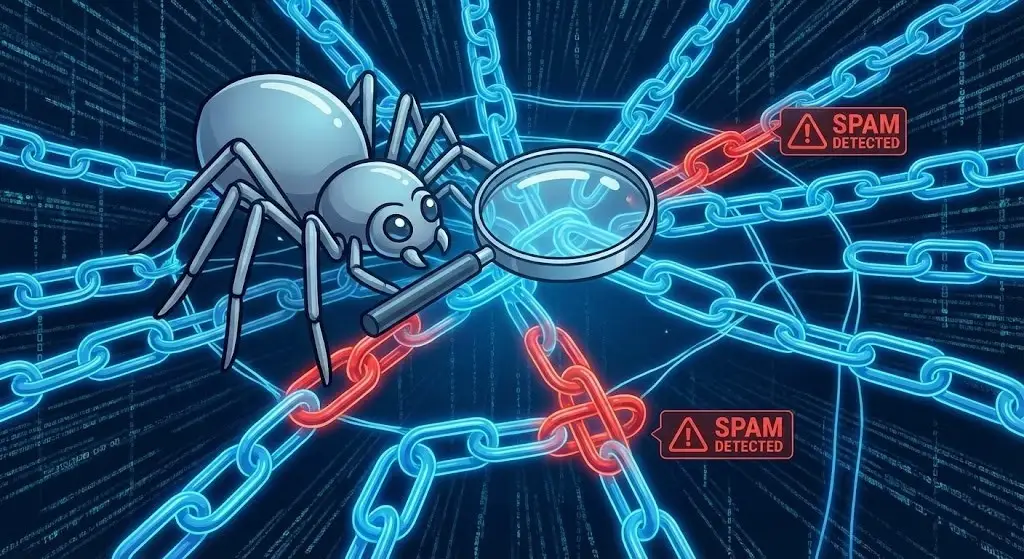
🔁 Maintain a Clean Backlink Profile
If your website already has spam links:
- Avoid continuing the practice
- Identify and remove harmful links
- Disavow links when necessary
- Build better quality links moving forward
A clean backlink profile supports strong and sustainable SEO success.
✅ Final Thoughts
Link spamming may look like an easy shortcut, but it is one of the biggest mistakes in SEO. It harms trust, invites penalties, damages ranking, and weakens long-term growth. Real SEO success comes from quality, relevance, and ethical practices.
When you:
✔ Avoid spam
✔ Focus on value
✔ Build real relationships
✔ Earn meaningful backlinks
✔ Think long term
your SEO becomes stronger, safer, and more successful.
Disclaimer: The images and videos used in this blog are for educational and illustrative purposes only. Some visuals may be generated using AI tools, while others are sourced from publicly available platforms. We do not claim ownership of any third-party images or videos. All rights and credits belong to their respective owners.
More Courses
Advanced Certificate in Digital Design & Marketing course with Gen AI