
Introduction
The story of Sleepwell’s parent company, Sheela Group, is one of remarkable resilience and vision. In 1971, Sheela Gautam, a widowed housewife with two teenagers, founded the company with no prior business experience. From a small foam manufacturing unit in Ghaziabad, the company has grown into a multinational corporation with a presence in India, Australia, and Spain. The Sleepwell brand, launched in the mid-1990s, has become synonymous with quality sleep in India, evolving into one of the nation’s most trusted brands by masterfully blending product innovation with emotionally resonant marketing.
Digital Marketing & SEO Strategy
Sleepwell has successfully transitioned from a traditional brick-and-mortar giant to a formidable digital player by focusing on content-driven authority and strategic campaigns.
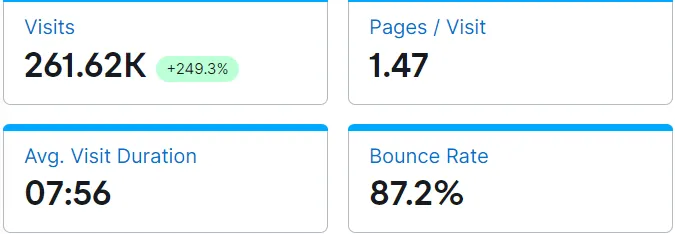
- SEO (Search Engine Optimization): Sleepwell’s digital strength lies in its powerful organic presence. In April 2024, their website attracted 332.58K visitors from organic search, dwarfing the 58K visitors from paid search. For marketing students, this is a clear lesson in the power of building a brand that users actively seek out. Their SEO success is directly fueled by their content marketing, which establishes them as a knowledgeable resource in the “sleep health” space.
- Content Marketing: Sleepwell has moved beyond simply selling products to becoming a trusted source of information. Their blog features a wealth of articles on topics like “how to choose the perfect mattress” and “the importance of good sleep.” By creating valuable, educational content optimized with relevant keywords, they attract users who are in the research phase of their buying journey, building trust and authority long before a purchase is made.

- Social Media Marketing: Sleepwell uses social media not just for promotion, but to build an emotional connection with its audience. Their campaigns are often narrative-driven, focusing on themes of care and well-being. The “Did You Sleep Well?” campaign, for instance, was a masterstroke that transformed a product tagline into a social gesture of care, encouraging community interaction and reinforcing brand recall in a subtle, positive way.
- Paid Advertising & Influencer Marketing: Sleepwell strategically uses paid channels to amplify its message, particularly through influencer marketing. The “Healthy New Year” campaign is a prime example, where they partnered with celebrities to tap into the cultural moment of New Year’s resolutions, positioning good sleep as a cornerstone of a healthy lifestyle.

STP Analysis
- Segmentation: Sleepwell employs a sophisticated segmentation strategy to cater to the diverse Indian market:
- Demographic: They target adults aged 25 and above, with sub-segments for young professionals, middle-aged couples, and retirees. Their pricing structure allows them to cater to various income levels, from budget-conscious buyers to those seeking premium products.
- Psychographic: They target health-conscious individuals who view sleep as integral to their overall well-being and busy professionals who need quality rest to maintain productivity. They also appeal to consumers who value quality, durability, and comfort.
- Behavioral: A key segment includes users with specific needs, such as those suffering from back pain (for whom they offer orthopedic mattresses) or those simply looking to upgrade their current sleep experience.
- Targeting: Based on their segmentation, Sleepwell targets several key consumer groups with tailored messaging:
- Young Professionals (25-35): Offered affordable yet comfortable mattresses for a demanding lifestyle.
- Couples (30-50): Provided with larger mattresses designed for shared comfort.
- Back Pain Sufferers (40+): Targeted with specialized orthopedic mattresses.
- Women: In a particularly insightful move, their Cocoon brand launched a campaign specifically addressing women’s unique sleep challenges, offering a customizable mattress with firm and gentle sides. This demonstrated a deep understanding of nuanced customer needs.
- Positioning: Sleepwell is positioned as a premium, trusted, and innovative sleep solutions provider. They are not just a mattress company; they are a brand dedicated to enhancing health and well-being through better sleep. This positioning is reinforced by their high-quality products, customer-centric approach, and emotionally resonant marketing.
The 4 Ps of Marketing
- Product: Sleepwell offers a comprehensive portfolio that goes beyond mattresses to create a “complete sleep ecosystem.” Their range includes pillows, cushions, and bedding. Their product strategy is driven by innovation, from developing their own proprietary foam technologies to offering customizable mattresses like Cocoon, which allows customers to tailor the firmness to their preference.
- Price: As the premium brand of Sheela Foam, Sleepwell operates in the mid-to-high price range (broadly ₹10,000 – ₹30,000). To make their products more accessible to a wider audience, they offer flexible payment options, including zero-down-payment EMIs, ensuring that quality sleep is not a luxury reserved for a few.
- Place: Sleepwell has a robust omnichannel distribution network, making it easy for customers to purchase their products anywhere in the country:
- Offline: An extensive network of exclusive Sleepwell galleries and partnerships with multi-brand retail outlets.
- Online: A seamless e-commerce experience through their own website and a strong presence on major platforms like Amazon and Flipkart.
- Promotion: Sleepwell’s promotional strategy is centered on building trust and creating a deep emotional connection:
- Heartwarming Campaigns: Ads like “Did You Sleep Well?” and “Ek Koshish, Ma Jaisa Aaraam Dene Ki” (An effort to give comfort like a mother’s) use powerful emotional narratives of care and comfort to build a positive brand association.
- Influencer-led Campaigns: Using celebrities to promote health-centric messages, as seen in their “Healthy New Year” campaign.
Influencer Marketing & Collaborations
- Strategy: Sleepwell leverages the credibility of well-known personalities to reinforce their message of health and wellness. They partner with influencers who are trusted by their target audience.
- Types of Influencers & Campaigns: They collaborate with mainstream celebrities from both the entertainment industry and sports, such as actress Samantha Ruth Prabhu and cricketer Suresh Raina.
- Goal of Collaborations: The goal is to lend authenticity and authority to their campaigns. By having trusted figures advocate for the importance of sleep and the benefits of their products (like the anti-germ Neem Fresche technology), Sleepwell effectively aligns its brand with a healthy, aspirational lifestyle.
Challenges & Competition
- Challenges:
- Fragmented Market: The Indian mattress market has a large unorganized sector with numerous local players offering cheaper alternatives.
- Long Purchase Cycle: Mattresses are a high-involvement, infrequent purchase, making consistent top-of-mind brand recall crucial.
- Rise of D2C Brands: New-age, digitally native “mattress-in-a-box” brands are disrupting the market with aggressive digital marketing and convenient delivery models.
- Competition:
- Legacy Brands: Traditional competitors like Kurl-on and Duroflex.
- D2C Startups: Aggressive online players like Wakefit, The Sleep Company, and Emma Mattress are major competitors in the digital space.
- Unorganized Sector: Local manufacturers who compete heavily on price.
All trademarks, logos, and images are the property of their respective owners. Their use in this educational case study is for commentary and illustrative purposes, and does not imply any ownership or endorsement.


Connect With Us
Follow us for updates on our latest courses and events!