
Introduction
In a market saturated with “home hack” skincare remedies, coffee has always been a popular ingredient. But an entire personal care brand built around it? That was a bold, new idea. In 2016, driven by a moment of curiosity after using a tea bag to reduce eye puffiness, a team of founders including Tarun Sharma and Vikas Lachhwani launched mCaffeine. They introduced India to its first-ever caffeinated personal care brand, infusing products with coffee, green tea, and chocolate. More than just selling products, mCaffeine has cultivated a unique brand experience, redefining personal care for India’s millennials and Gen Z and carving a major niche in the competitive beauty market.
Digital Marketing & SEO Strategy
mCaffeine’s growth is a testament to a digitally native strategy that prioritizes organic reach, community building, and a deep understanding of its audience.
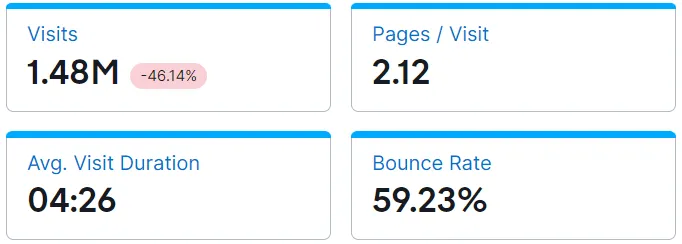
- SEO (Search Engine Optimization): mCaffeine has built a powerful organic search engine presence. In April 2024, their website attracted a massive 1.48 million visits, with an overwhelming 93.77% coming from mobile devices. The most telling statistic is their traffic source: 325.43K visits came from organic search, compared to just 19.37K from paid search. This indicates a strong brand recall and an effective content strategy. The fact that “caffeine products” is a top search keyword shows they have successfully created and now own a new product category in the minds of consumers.
- Social Media Marketing: With 476K followers on Instagram, social media is the lifeblood of mCaffeine’s community strategy. Their content is a perfect mix of entertainment, education, and promotion, tailored for a young audience. They excel at:
- Trendjacking: Capitalizing on cultural moments, like creating a post about their body wash inspired by Aishwarya Rai’s look at the Cannes Film Festival, to stay relevant and drive engagement.
- Community Building: The #mCaffeineSquad campaign encourages users to share their own experiences, effectively turning customers into brand advocates and generating a stream of authentic user-generated content (UGC).
- Content Marketing (The “Triple ‘E'” Philosophy): mCaffeine’s content strategy is built on three core pillars:
- Ethos: They build trust by championing sustainability and ethical practices. Their commitment to being PETA-certified cruelty-free, vegan, and using recyclable packaging resonates deeply with their socially conscious audience.
- Efficacy: They educate consumers on the science behind their hero ingredient. Through blogs and social media content, they explain the benefits of caffeine for skin and hair, allowing customers to make informed decisions.
- Experience: They focus on creating a memorable customer journey. This extends from their community-building efforts online to their unique product packaging, which is designed to feel like receiving a special gift.
STP Analysis
- Segmentation: mCaffeine has a laser-sharp focus on its target market:
- Demographics: Primarily targets millennials and Gen Z (roughly 18-35 years old). This group is digitally native, active on social media, and makes up a significant portion of the e-commerce market.
- Psychographics: They target individuals who prioritize a natural and healthy lifestyle, are drawn to innovative and trendy products, and value authenticity and brand experience over traditional advertising.
- Behavioral: This segment prefers shopping online, is heavily influenced by social media recommendations and influencers, and shows loyalty to brands that align with their personal values.
- Targeting: mCaffeine’s primary target is the modern, urban Indian youth who is conscious about the ingredients in their products and the values of the brands they support. They are not just looking for a functional product but an experience and a brand they can connect with on a deeper level.
- Positioning: mCaffeine has successfully positioned itself as a bold, innovative, and sustainable personal care brand. Its most powerful positioning statement is its status as India’s first caffeinated personal care brand. This unique selling proposition (USP) immediately sets them apart in a crowded market. This is further strengthened by their cruelty-free and natural ingredient credentials.
The 4 Ps of Marketing
- Product: The core of mCaffeine’s offering is its range of skin and hair care products infused with caffeine from natural sources like coffee, green tea, and chocolate. Their portfolio includes body scrubs, face washes, shampoos, and serums. A key product attribute is their commitment to being PETA-certified cruelty-free and vegan, which is a significant differentiator for their target audience.
- Price: mCaffeine employs an accessible premium pricing strategy. Their products are priced higher than mass-market FMCG brands but remain affordable for their target audience of students and young professionals. The price reflects the unique formulations, natural ingredients, and premium brand experience.
- Place: As a digitally native brand, mCaffeine’s primary place of business is online. They sell directly to consumers (D2C) through their own website, which allows them to control the brand experience and own customer data. They also have a strong presence on major e-commerce marketplaces like Nykaa, Amazon, and Flipkart to ensure wide availability.
- Promotion: mCaffeine’s promotional strategy is heavily digital and content-driven:
- Celebrity Endorsements: High-profile collaborations to build mainstream credibility.
- Influencer Marketing: Partnering with beauty and lifestyle influencers for authentic reviews.
- Social Media Campaigns: Driving engagement and UGC through hashtags and trends.
- Content Marketing: Using their blog and social channels to educate consumers.
Influencer Marketing & Collaborations
- Strategy: mCaffeine uses a dual approach, combining the massive reach of A-list celebrities with the targeted influence of digital creators.
- Types of Influencers & Campaigns: They have collaborated with top Bollywood stars like Alia Bhatt and Ileana D’Cruz. These high-visibility campaigns are designed for mass appeal.
- Goal of Collaborations: The primary goal of these celebrity partnerships is to rapidly build brand trust and awareness on a national scale. Associating with a trusted and admired face like Alia Bhatt instantly lends credibility to a relatively new brand, accelerating its journey from a niche D2C player to a household name.
Challenges & Competition
- Challenges:
- Defending the Niche: Having proven the market for caffeinated personal care, mCaffeine now faces the challenge of bigger brands potentially entering the space.
- Sustaining Innovation: The D2C beauty market is hyper-competitive. Continuously innovating with new products and marketing angles is crucial to stay relevant.
- Scaling Sustainably: Maintaining their commitment to ethical sourcing and eco-friendly practices while scaling up operations is a significant logistical challenge.
- Competition:
- D2C Giants: Brands like Mamaearth, WOW Skin Science, and Plum Goodness are major competitors, each with their own unique “natural ingredient” story.
- Established FMCG Players: Legacy brands like Himalaya, Nivea, and L’Oréal have vast distribution networks and marketing budgets.
- Marketplace Brands: A plethora of smaller brands on platforms like Amazon compete aggressively on price.
All trademarks, logos, and images are the property of their respective owners. Their use in this educational case study is for commentary and illustrative purposes, and does not imply any ownership or endorsement.


Connect With Us
Follow us for updates on our latest courses and events!