Understanding the difference between follow and nofollow links is extremely important if you want to build a strong SEO strategy. Many people build backlinks without even knowing which type of link they are getting or how it affects their website. Follow and nofollow links both play different roles in SEO, and knowing their impact helps you build a smart, balanced backlink profile — something taught in depth during a Professional SEO course.
That is why this topic is taught clearly in every SEO certification course, explained in depth inside a Professional SEO course, highlighted in the Best SEO training institute, covered practically in a Digital marketing institute, and understood better when learning in an SEO training institute. But even if you are not enrolled anywhere, this blog will help you understand both link types in a simple and meaningful way.
⭐ What Are Follow Links?
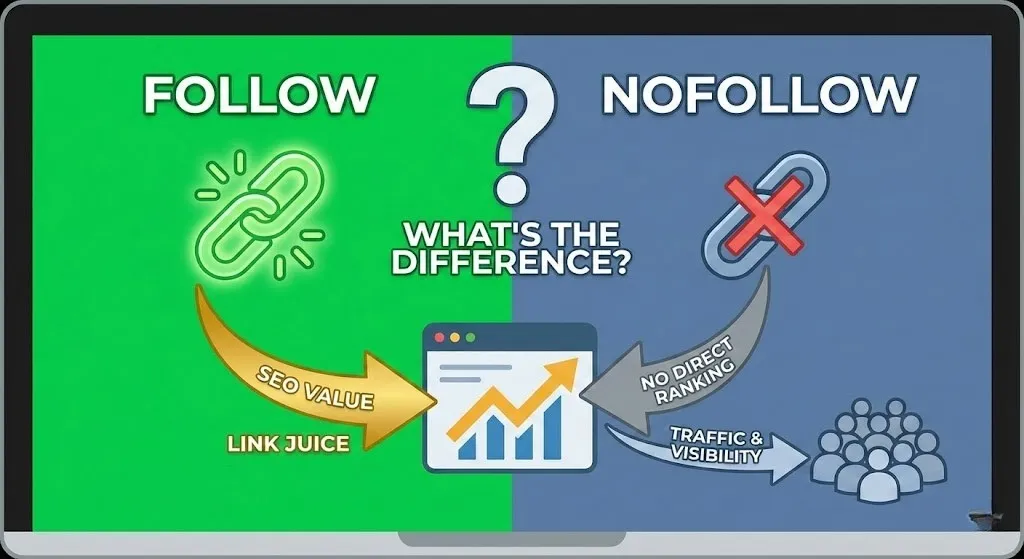
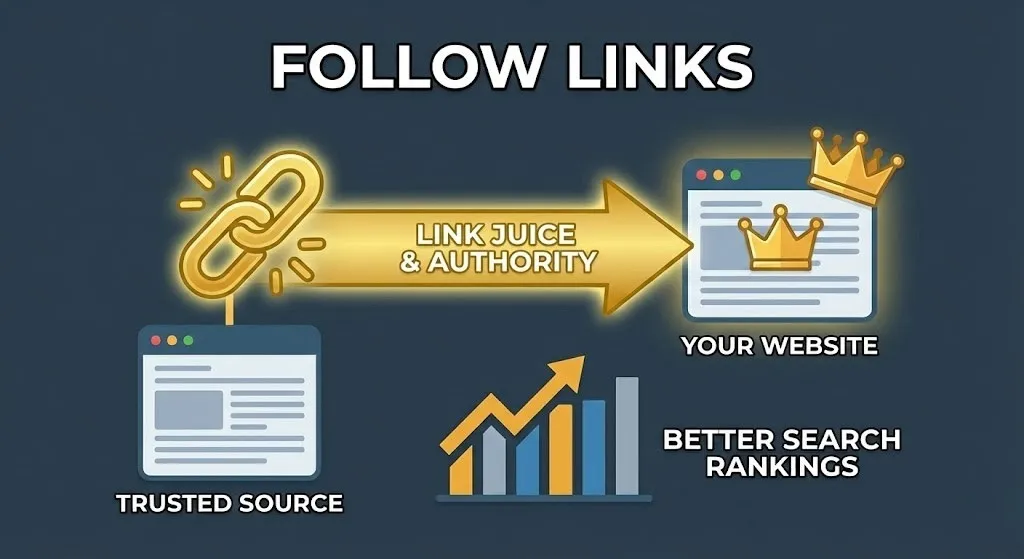
Follow links (also called do follow links) are the standard type of backlinks. When a website links to your website with a follow link, it passes SEO value, also known as “link juice.”
This means:
- Search engines count it as a ranking signal
- It helps build your website’s authority
- It contributes to better search rankings
Follow links are extremely powerful when they come from:
- Trusted websites
- Relevant websites
- High-quality platforms
These are the types of links most SEO professionals try to earn because they directly help ranking. This concept is explained very clearly during learning in any SEO certification course.
⭐ What Are Nofollow Links?
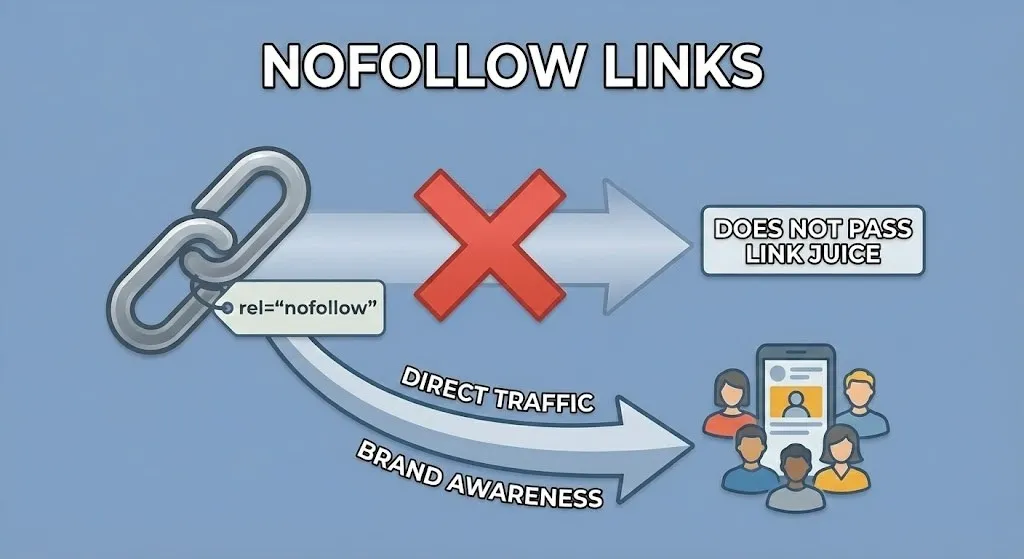
Nofollow links are backlinks that do not pass ranking value to your website. When a website adds the nofollow tag, it tells search engines not to treat that link as a ranking factor.
A nofollow link:
- Does not pass link juice
- Does not directly improve ranking
- Does not transfer SEO authority
Common places where nofollow links are used include:
- Blog comments
- Forums
- Social media platforms
- Some news portals
- Paid advertising links
This ensures search engines know these links are not meant to manipulate rankings.
🔍 Why Do Websites Use Nofollow Links?
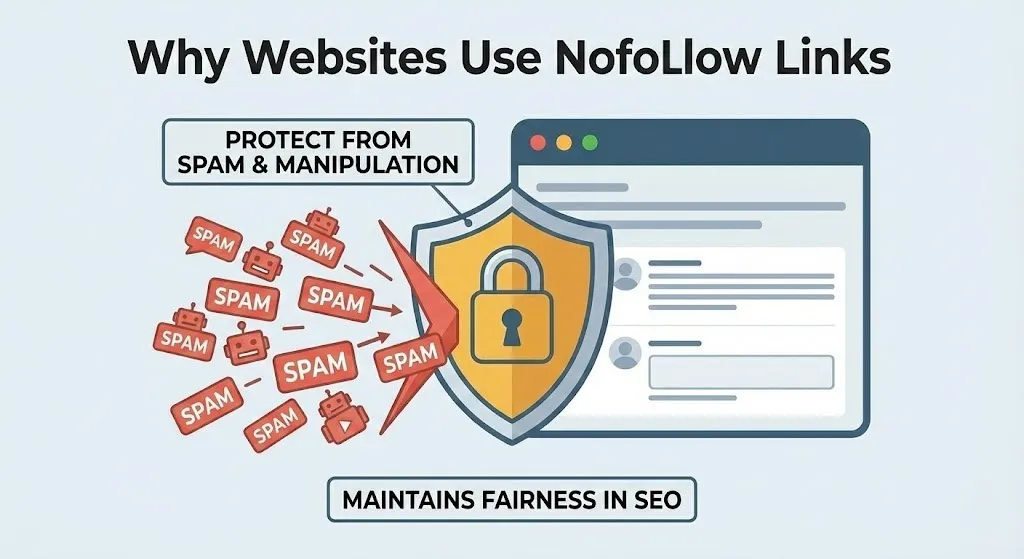
Websites use nofollow links mainly to avoid spam and manipulation. If follow links were allowed everywhere (especially in open comment sections), people would misuse them heavily.
So, nofollow links:
- Protect websites from spam
- Maintain fairness in SEO
- Stop artificial ranking manipulation
This practical understanding is taught in professional learning environments like a Professional SEO course and structured training inside a Digital marketing institute.
⚠️ Does That Mean Nofollow Links Are Useless?
Absolutely not. Many people assume nofollow links are worthless because they don’t directly help ranking, but that is not true.
Nofollow links can:
- Bring real traffic
- Build brand visibility
- Create awareness
- Support trust building
- Improve natural link profile diversity
Even though they do not directly pass SEO value, they play an important role in overall online growth. That is why the Best SEO training institute always explains the importance of both link types.
🌍 Real-Life Example 1: Traffic Boost from Nofollow Links
A small blog shared helpful content in discussion forums and communities (where links are normally nofollow). Even though they didn’t pass SEO value, many users clicked the links to read the blog.
Results:
- Website traffic increased
- More people discovered the blog
- Some trusted websites later linked naturally with follow links
This proves nofollow links can indirectly support SEO success.
🧠 Which One Matters More: Follow or Nofollow?
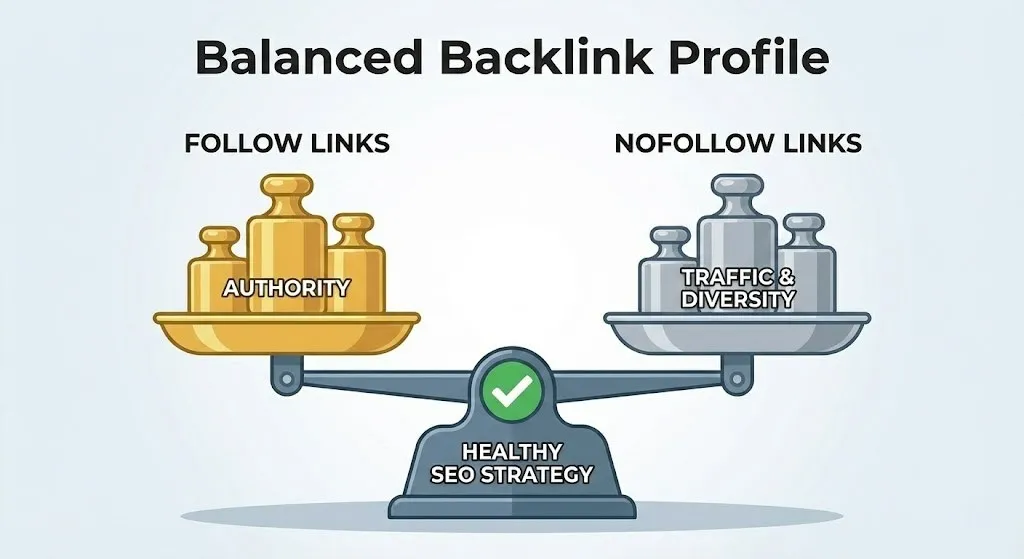
If we talk purely from a ranking point of view, follow links are more powerful because they directly help improve search rankings and domain authority.
However, a healthy SEO strategy needs both.
Follow links:
- Improve ranking
- Build authority
- Support SEO strength
Nofollow links:
- Support traffic
- Improve visibility
- Strengthen natural link profile
Search engines prefer websites with natural and balanced link profiles. Having only one type of link does not look natural.
This balanced mindset is developed through structured learning in a SEO training institute.
📚 Why Both Follow and Nofollow Links Matter Together
A smart backlink profile includes:
- Relevant follow links
- Meaningful nofollow links
- Natural link diversity
- Safe and ethical link-building practices
Search engines do not only see “links.” They see:
- Quality
- Relevance
- Natural behavior
That is why both types of links are important in different ways. This understanding is always emphasized during learning in a SEO certification course and Professional SEO course.
🌟 Real-Life Example 2: Brand Authority Growth
A business website received follow links from industry blogs and nofollow links from social platforms. Together, they supported ranking, traffic, visibility, and user trust.
The combination helped the brand grow stronger online rather than depending on one single link type.
🧩 How to Use Follow and Nofollow Links Smartly
For the best SEO results:
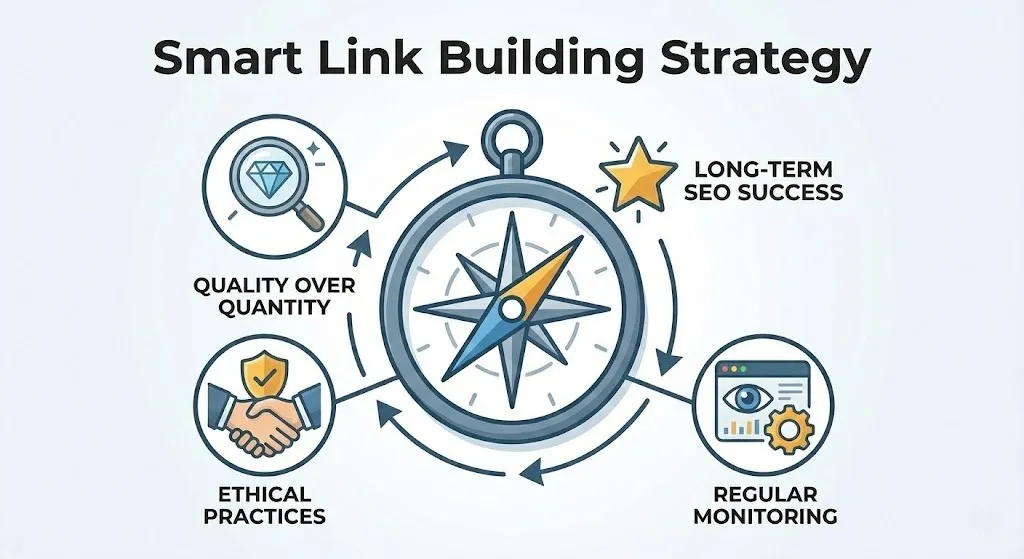
- Aim for quality follow backlinks from relevant sources
- Do not ignore nofollow links if they bring real users
- Avoid spammy or shortcut link methods
- Maintain a natural link growth pattern
This strategic approach is taught step by step in professional learning programs available in a Digital marketing institute and well-explained in the Best SEO training institute.
🔁 Keep Monitoring Your Backlinks
Understanding link types is important, but managing them regularly is equally essential. Always keep an eye on:
- Link quality
- Link source
- Link relevance
- Link type balance
A healthy backlink profile supports long-term SEO success.
✅ Final Thoughts
Both follow and nofollow links play important but different roles in SEO. Follow links help improve rankings directly, while nofollow links support traffic, visibility, and natural profile strength.
When you:
✔ Understand both link types
✔ Focus on quality
✔ Build links ethically
✔ Maintain balance
you build a stronger and safer SEO foundation.
Disclaimer: The images and videos used in this blog are for educational and illustrative purposes only. Some visuals may be generated using AI tools, while others are sourced from publicly available platforms. We do not claim ownership of any third-party images or videos. All rights and credits belong to their respective owners.