1. Introduction to Competitor Tracking & Market Insights
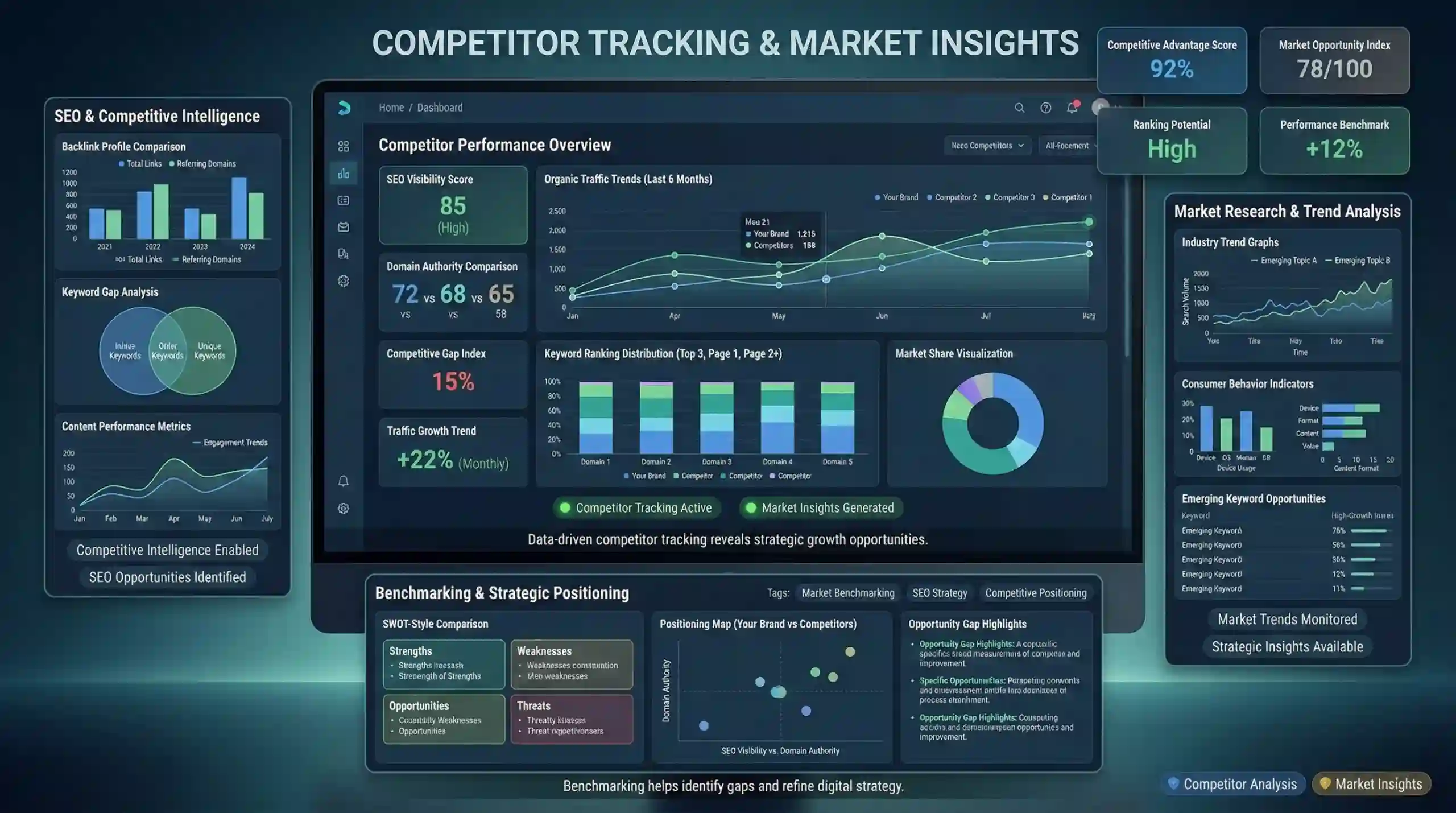
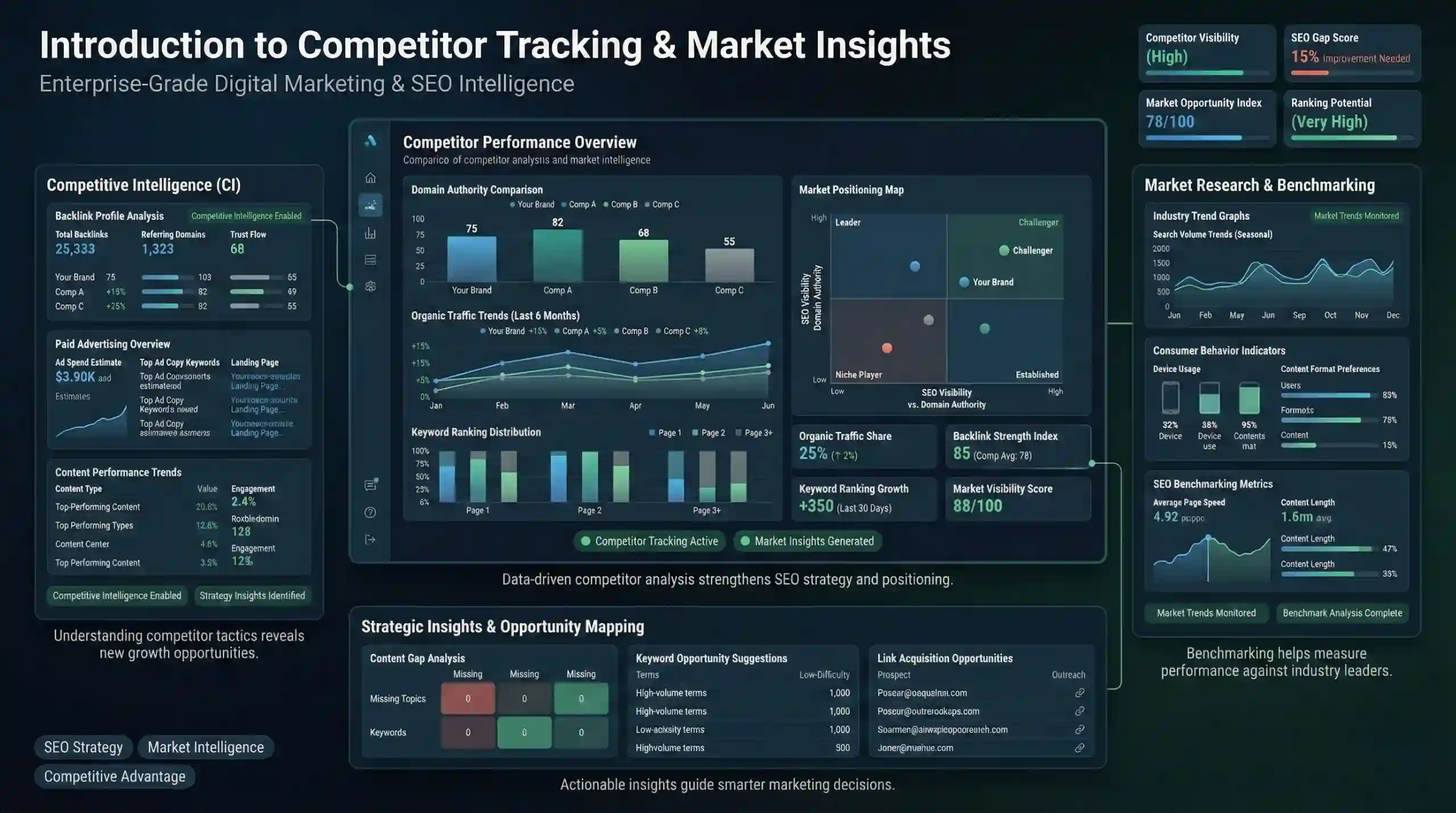
Competitor analysis and market insights are fundamental components of successful digital marketing and SEO strategies. They enable organizations to understand the competitive landscape, identify opportunities, and develop targeted actions to improve search engine rankings and market positioning.
Importance of Competitor Analysis in Digital Marketing & SEO Strategy:
Analyzing competitors’ SEO tactics reveals their strengths and weaknesses, guiding your own content development, backlink acquisition, and keyword targeting. For example, by studying a top-ranking competitor’s backlink profile, a business can identify high-quality link sources to emulate, improving its organic search position. Recognizing competitor content trends also helps craft content that can outrank rivals in SERP features.
Key Concepts Defined:
- Competitive Intelligence (CI) involves systematic data collection about competitors’ backlink profiles, keyword strategies, and paid advertising campaigns. This intelligence informs strategic decisions and helps attain an SEO competitive advantage.
- Market Research encompasses industry trend analysis, consumer insights, and identifying market gaps through data like customer behavior and industry forecasts.
- Competitor Benchmarking compares critical SEO metrics like domain authority, organic traffic, and content output to assess relative digital performance.
2. Setting Clear Objectives
Effective competitor tracking begins with defining clear, measurable objectives aligned with overarching business goals. These may include:
- Discovering keyword opportunities to improve organic rankings.
- Monitoring competitors’ backlink profiles for strategic link-building.
- Tracking online reputation and reviews to optimize local SEO.
Establishing KPIs (Key Performance Indicators) such as organic traffic growth, keyword rankings, backlink quality, and social media engagement helps in tracking progress and evaluating success.
3. Tools for Competitor SEO & Market Analysis
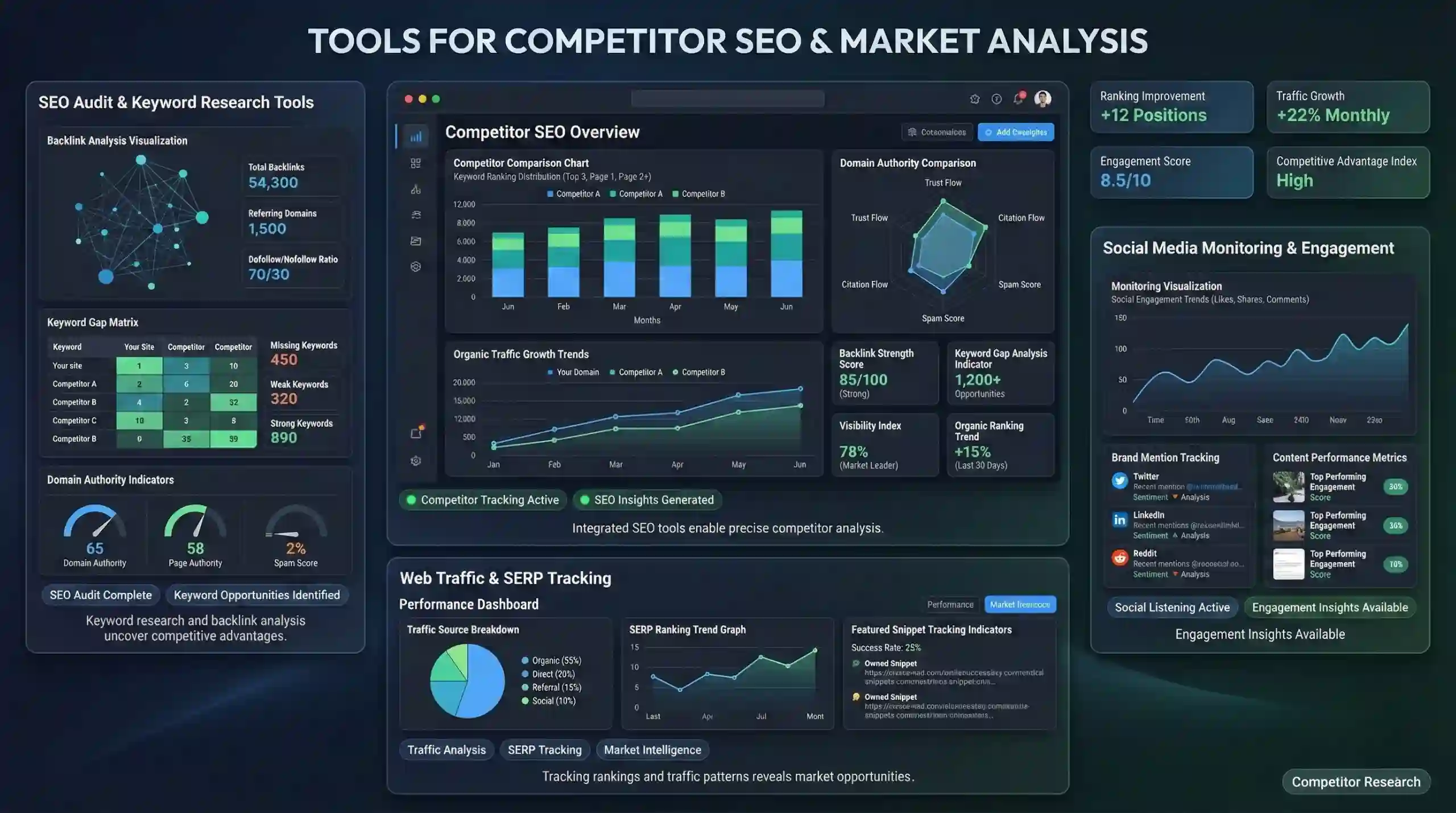
Leveraging specialized tools allows for precise data collection:
- SEO Audit & Keyword Research Tools:
- SEMrush, Ahrefs, Moz Pro: Analyze backlinks, perform keyword gap analysis, determine domain authority, and monitor organic keyword rankings.
- Social Media Monitoring Tools:
- Brandwatch, Sprout Social: Assess social engagement levels, content performance, and brand mentions across platforms.
- Web Traffic & Engagement Tools:
- SimilarWeb, Alexa: Gain insights into traffic sources, user engagement metrics, and visitor behavior patterns.
- SERP Tracking Tools:
- SEMrush Position Tracking, SERPWatcher: Track changes in rankings, featured snippet appearances, and local pack features over time.
Effective use of these tools enhances the precision of competitor tracking and market insights.
4. Keyword Gap Analysis
Keyword gap analysis identifies untapped opportunities by comparing your keyword profile with that of competitors:
- Conduct comprehensive keyword research to find high-volume, relevant keywords competitors rank for.
- Use tools like SEMrush or Ahrefs to identify content gaps where your website is missing ranking opportunities.
- Focus on long-tail keywords which tend to have lower competition and higher conversion potential, especially in local SEO and voice search contexts.
Practical example: If a competitor ranks highly for “best digital marketing agency in Chicago,” your gap analysis might uncover related long-tail keywords with less competition, such as “affordable digital marketing services in Chicago.”
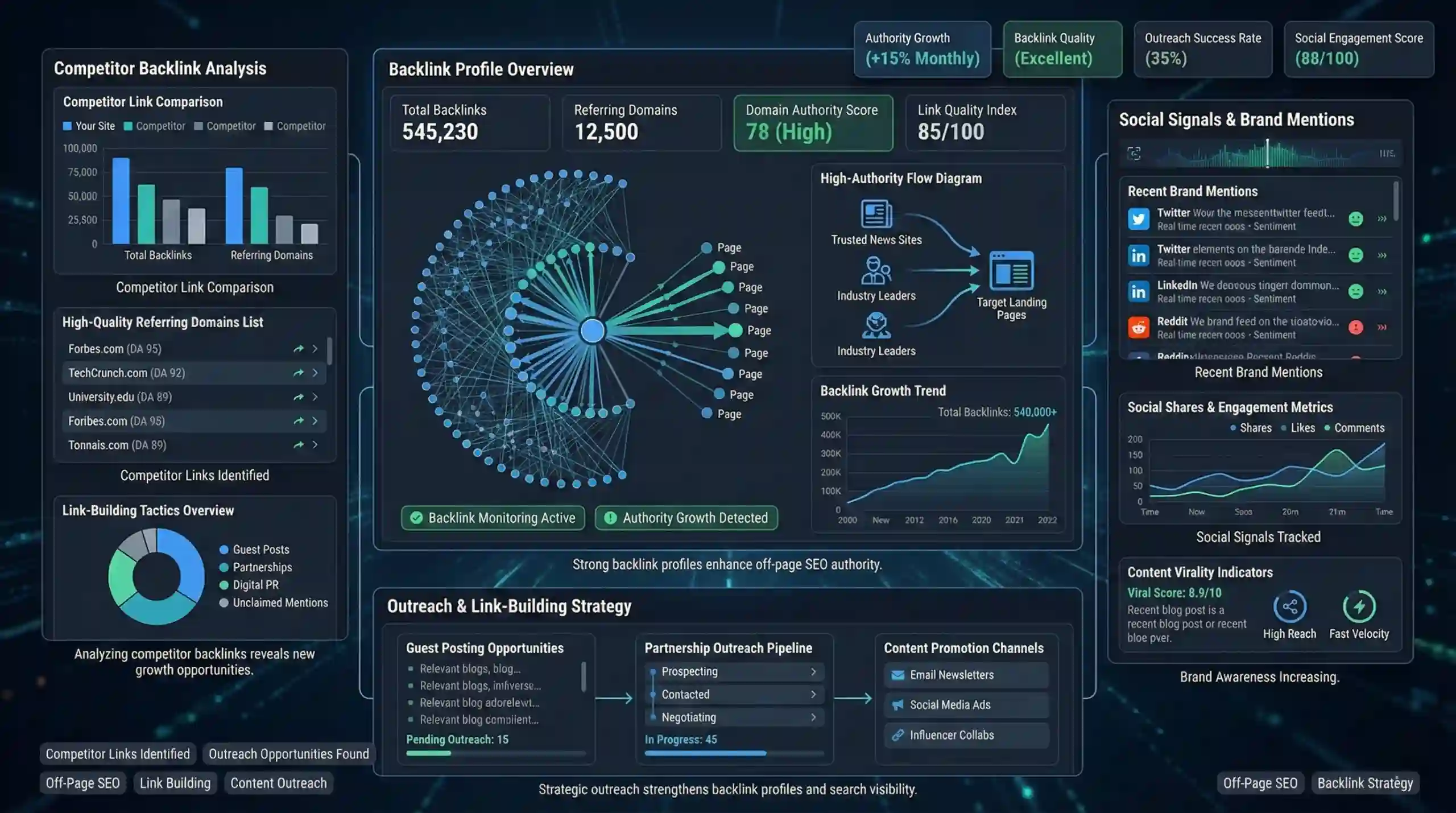
5. Backlink & Off-Page SEO Monitoring
Backlink profile analysis is critical for off-page SEO authority:
- Use backlink analysis tools to study competitors’ referring domains, high-quality backlinks, and link-building tactics.
- Identify potential outreach opportunities by finding websites that link to competitors, which can be approached for guest posting or partnerships.
- Monitoring social signals and shares measures content virality and brand awareness, influencing off-page SEO signals.
Real-world example: A tool like Ahrefs reveals that a competitor received backlinks from reputable online tech magazines—an opportunity to generate similar backlinks through content outreach.
6. Content & SERP Insights
Understanding what content performs well in your niche aids in developing a competitive content strategy:
- Analyze competitors’ blog topics, videos, and infographics for trending content formats.
- Study SERP features like featured snippets, local packs, and rich results that your competitors utilize.
- Identify content gaps—topics underserved by competitors—that your brand can target to improve rankings and user engagement.
Example scenario: Your competitor ranks #1 for “how to improve local SEO” featuring a detailed blog with schema markup. Creating a comprehensive, well-structured, and schema-optimized article can help you rank similarly or higher.
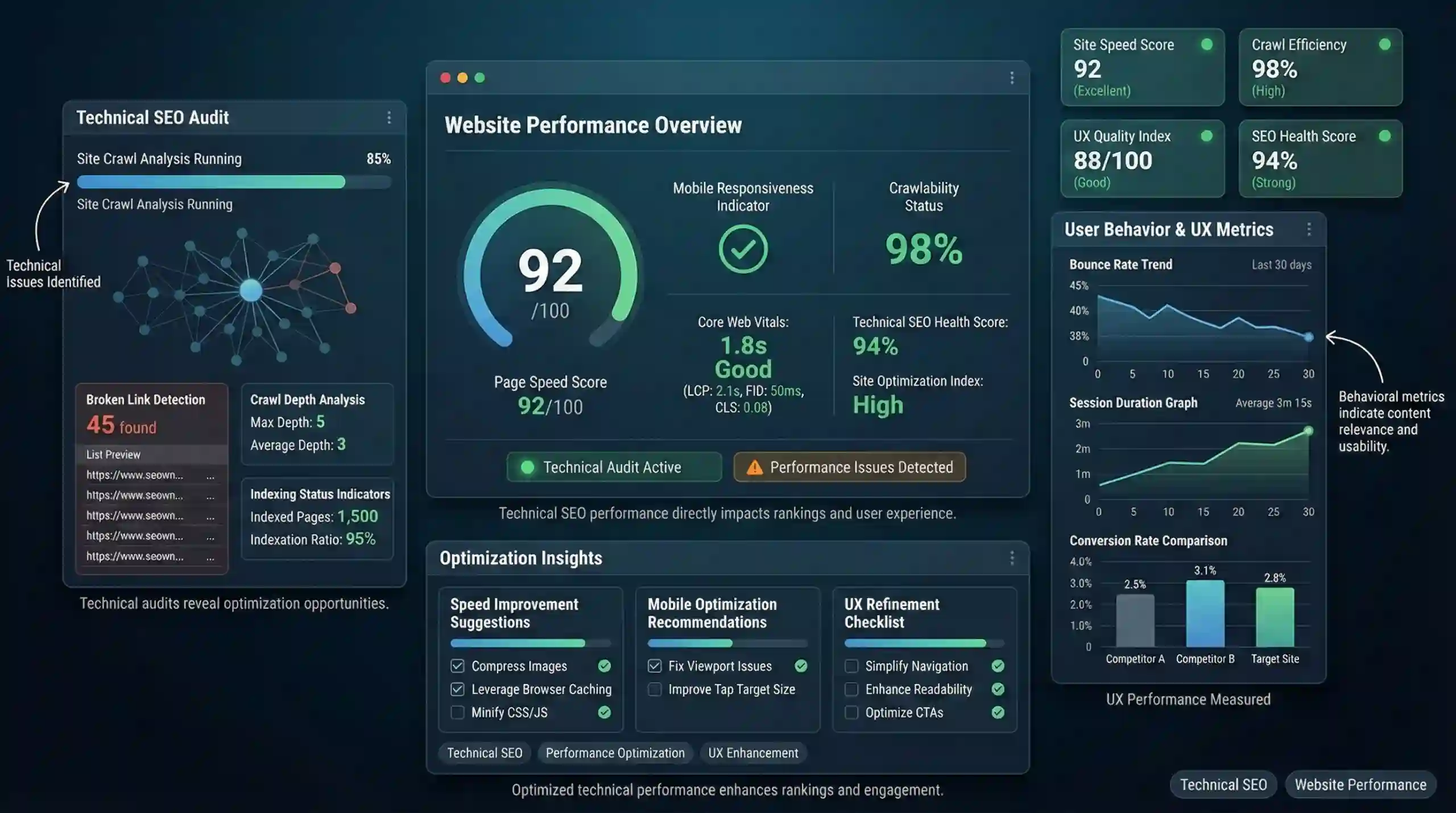
7. Competitor Website Performance
Technical SEO audits monitor website performance factors like:
- Site speed, mobile responsiveness, and crawlability.
- Use tools like Screaming Frog or DeepCrawl to identify and fix technical issues.
- Measure user behavior metrics such as bounce rate, session duration, and conversions to gauge UX and content relevance.
8. Social Media & Brand Presence Monitoring
Social media metrics reflect brand visibility:
- Track posting frequency, content formats, and engagement to gauge competitors’ social strategies.
- Observe brand mentions and reputation signals to manage and improve your own brand standing.
- Effective monitoring helps tailor content marketing plans aligning with audience preferences.
Example: Noticing a competitor’s viral campaign on Instagram inspires a similar approach to increase engagement.
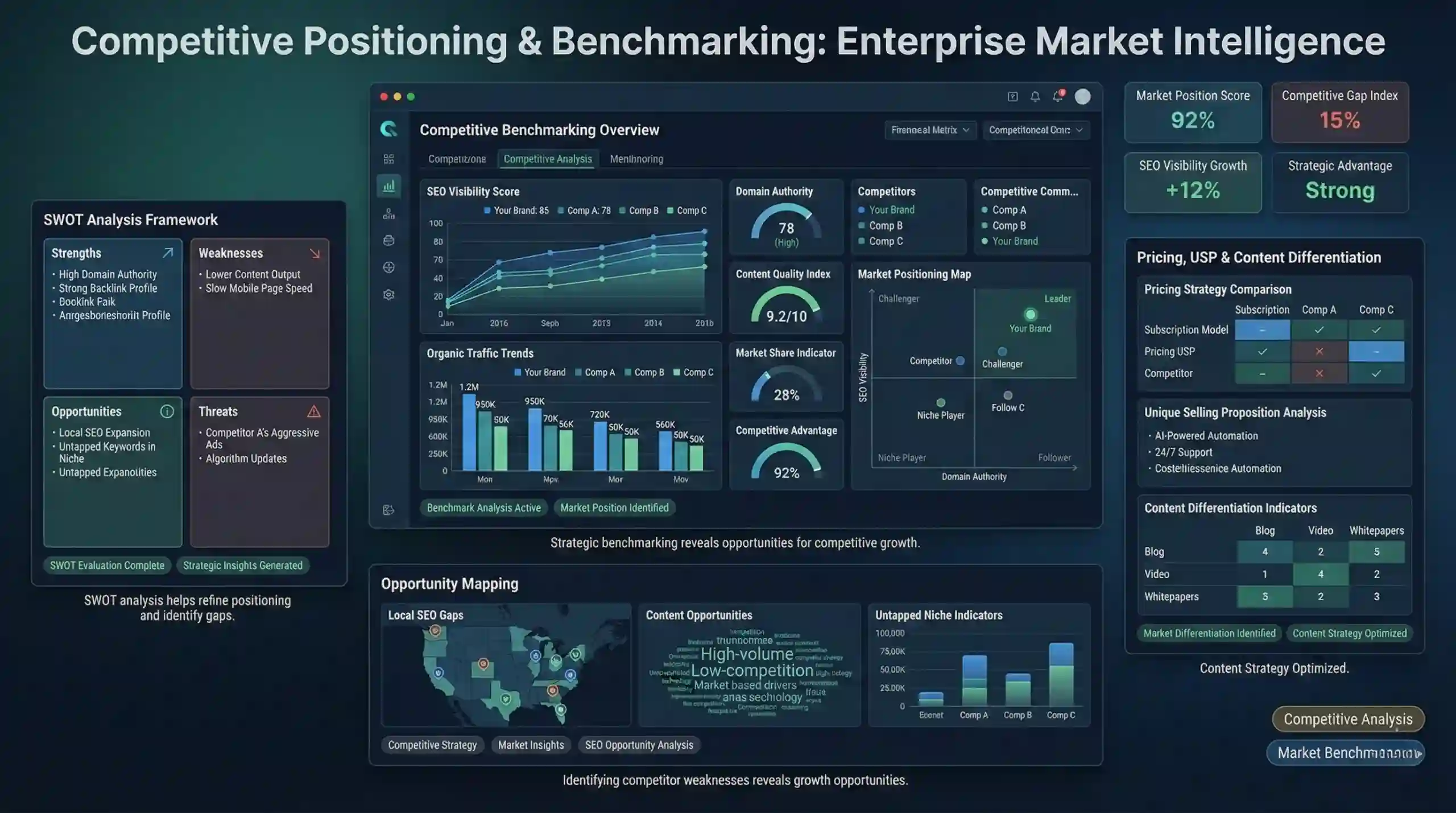
9. Competitive Positioning & Benchmarking
Tools such as SWOT analysis evaluate competitors’ strengths, weaknesses, opportunities, and threats:
- Map their digital presence, SEO visibility, and content quality.
- Assess pricing strategies, USPs, and content differentiation to refine your market position.
Application: Recognizing a competitor’s weakness in local SEO provides an opportunity to dominate that niche.
10. Data Analysis & Reporting
Aggregating data from SEO tools yields insights on:
- Keyword ranking trends, traffic fluctuations, and competitor movement.
- Use visual dashboards and heatmaps for clearer interpretation and strategic decision-making.
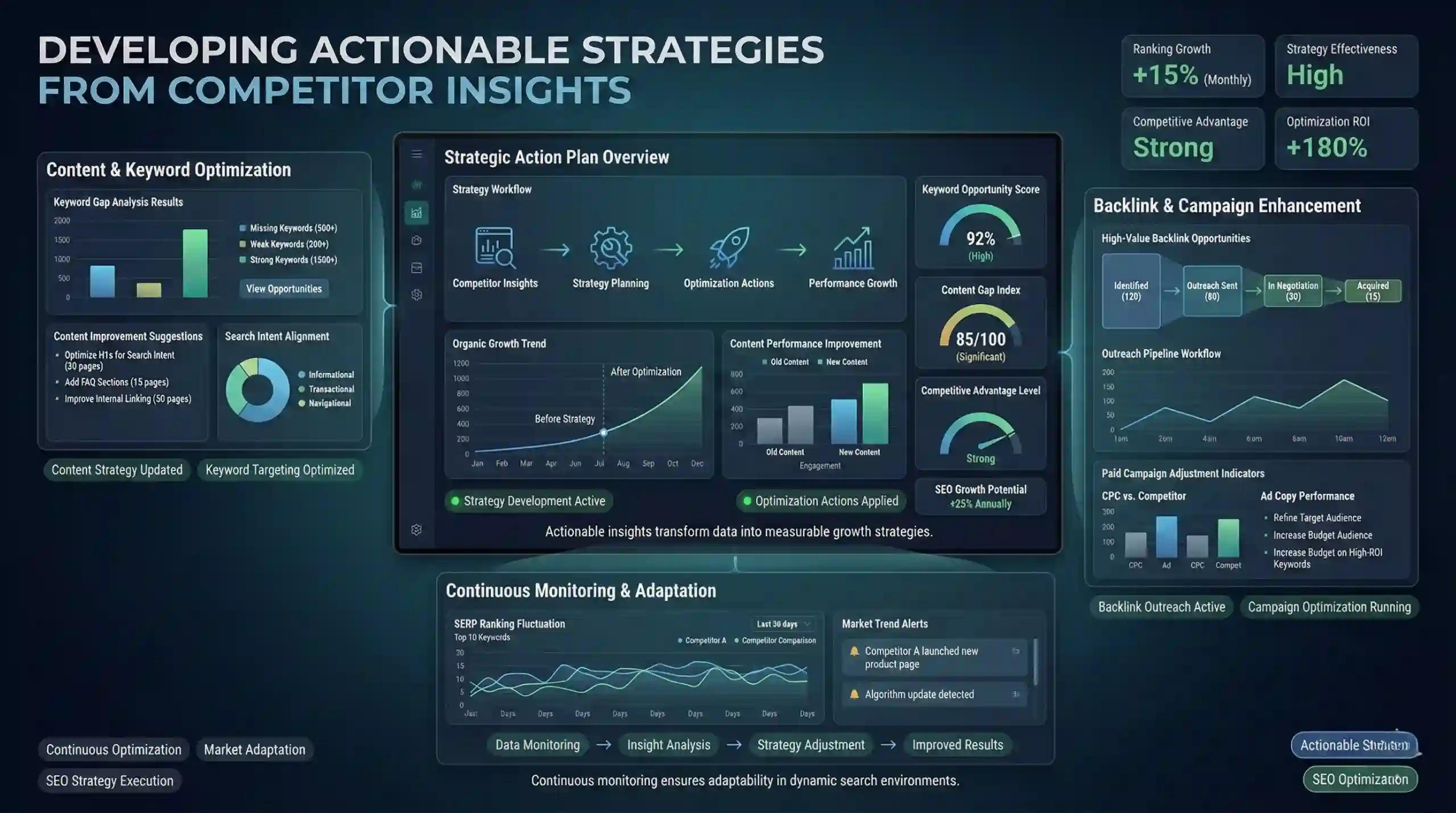
11. Developing Actionable Strategies
From gathered insights:
- Optimize your content and keyword targeting based on market gaps.
- Enhance backlink outreach using identified high-value opportunities.
- Adjust paid campaigns, local SEO tactics, and content marketing to outperform competitors in search engines.
Implement continuous monitoring to adapt quickly to SERP fluctuations and market trends.
12. Ethical Considerations & Compliance
Maintain high ethical standards by respecting data privacy laws like GDPR and avoiding manipulative tactics such as private link networks or cloaking. Ethical practices sustain brand integrity and prevent penalties from search engines.
Conclusion
Regularly updating your competitor tracking and market insights process is vital for maintaining SEO dominance. This systematic approach supports digital transformation, scalable SEO campaigns, and sustained brand growth. Leveraging data-driven insights ensures your website stays competitive and visible in search engine results pages (SERPs).
Practice Questions
- Explain how competitor backlink analysis contributes to SEO strategy development.
- Describe the purpose of keyword gap analysis and how it impacts content planning.
- List three tools used for analyzing competitors’ SEO performance and briefly describe their functions.
- What role do SERP features like featured snippets play in competitor analysis?
- How does technical SEO auditing improve a website’s search engine rankings?
- Provide an example of how to use social signals to assess a competitor’s brand presence.
- Describe the importance of SWOT analysis in understanding competitor positioning.
- How can continuous data analysis influence ongoing SEO strategies?
- Why is maintaining ethical standards in competitor analysis important?
- Discuss how market insights can influence the development of a digital marketing campaign.
Resources & Study Links
- GeeksforGeeks SEO & Digital Marketing Guides: https://www.geeksforgeeks.org/
- Moz Beginner’s Guide to SEO: https://moz.com/beginners-guide-to-seo
- SEMrush Academy (free courses): https://www.semrush.com/academy/
- Google Analytics Academy: https://analytics.google.com/analytics/academy/
- Backlink analysis tools:
- Ahrefs Blog: https://ahrefs.com/blog/
- Moz Link Explorer: https://moz.com/link-explorer
This structured understanding of competitor tracking and market insights forms the foundation for developing effective, data-driven SEO strategies with sustainable results.
More Courses
- Social Media Marketing course with Gen AI
- Advance Digital Marketing & SEO course with Gen AI
- Advanced Certificate in Digital Design & Marketing course with Gen AI
- Meta & Google Ads course with Gen AI