1. Introduction to AI-Generated Visual Content
Understanding Artificial Intelligence in Graphic Design
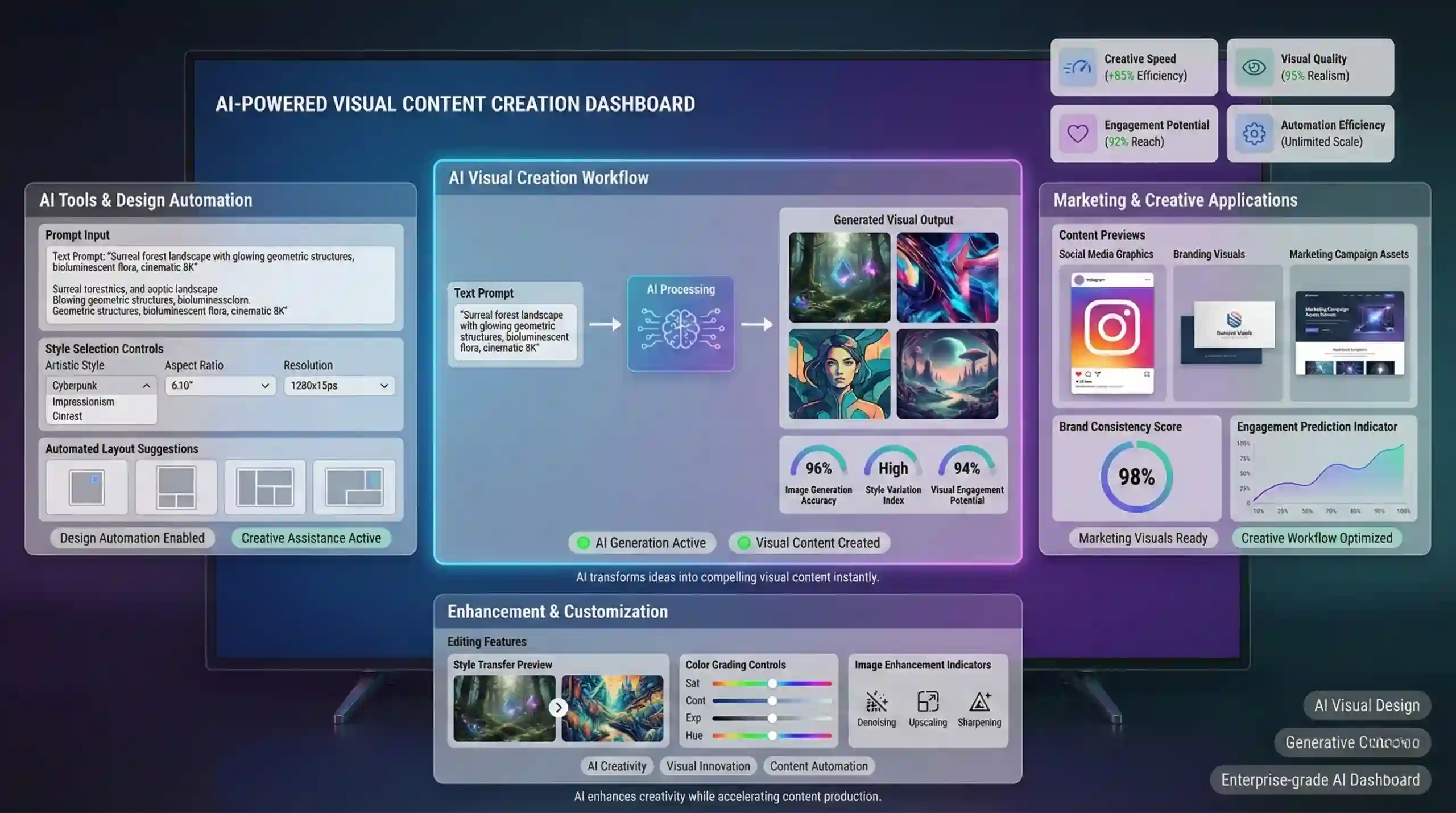
Artificial Intelligence (AI) encompasses computational systems capable of performing tasks traditionally requiring human intelligence. In graphic design, AI algorithms enable automation and enhancement of visual content creation processes. AI’s ability to analyze vast datasets and generate visual outputs allows for rapid production of images, logos, and graphics that maintain high aesthetic and contextual relevance. This transformation has democratized access to professional-quality visuals, empowering students to explore innovative design workflows and creative expression.
AI-Driven Visual Creation Tools and Technologies
Prominent AI-powered tools such as DALL·E, Midjourney, and Stable Diffusion have revolutionized the method of generating images from text prompts. These platforms utilize complex neural network architectures to produce realistic and artistic visuals without manual drawing. For example, DALL·E 2, developed by OpenAI, creates diverse images based on descriptive prompts, facilitating rapid concept visualization. Such tools employ generative models that interpret semantic input and synthesize relevant visual outputs.
Impact of AI on Modern Content Marketing
AI-enhanced visual content significantly boosts engagement by providing personalized and visually appealing materials. Marketers leverage AI to generate high-quality graphics tailored to target audiences, resulting in increased brand awareness and audience interaction. AI-generated imagery can quickly adapt to trending themes, enabling dynamic campaigns. Consequently, AI contributes to more effective storytelling and branding, essential in competitive digital marketing environments.
AI in Visual Storytelling and Creativity Enhancement
AI acts as a creative collaborator, enabling storytellers and designers to push creative boundaries. By automating routine design tasks, AI frees human creators to focus on conceptual and emotional aspects of storytelling. For instance, neural style transfer can apply artistic styles to images, fostering new visual narratives. Overall, AI enhances human creativity, allowing the development of innovative content forms such as interactive and generative art.
2. Fundamentals of AI Image Generation Technologies
Generative Adversarial Networks (GANs) in Visual Content Creation
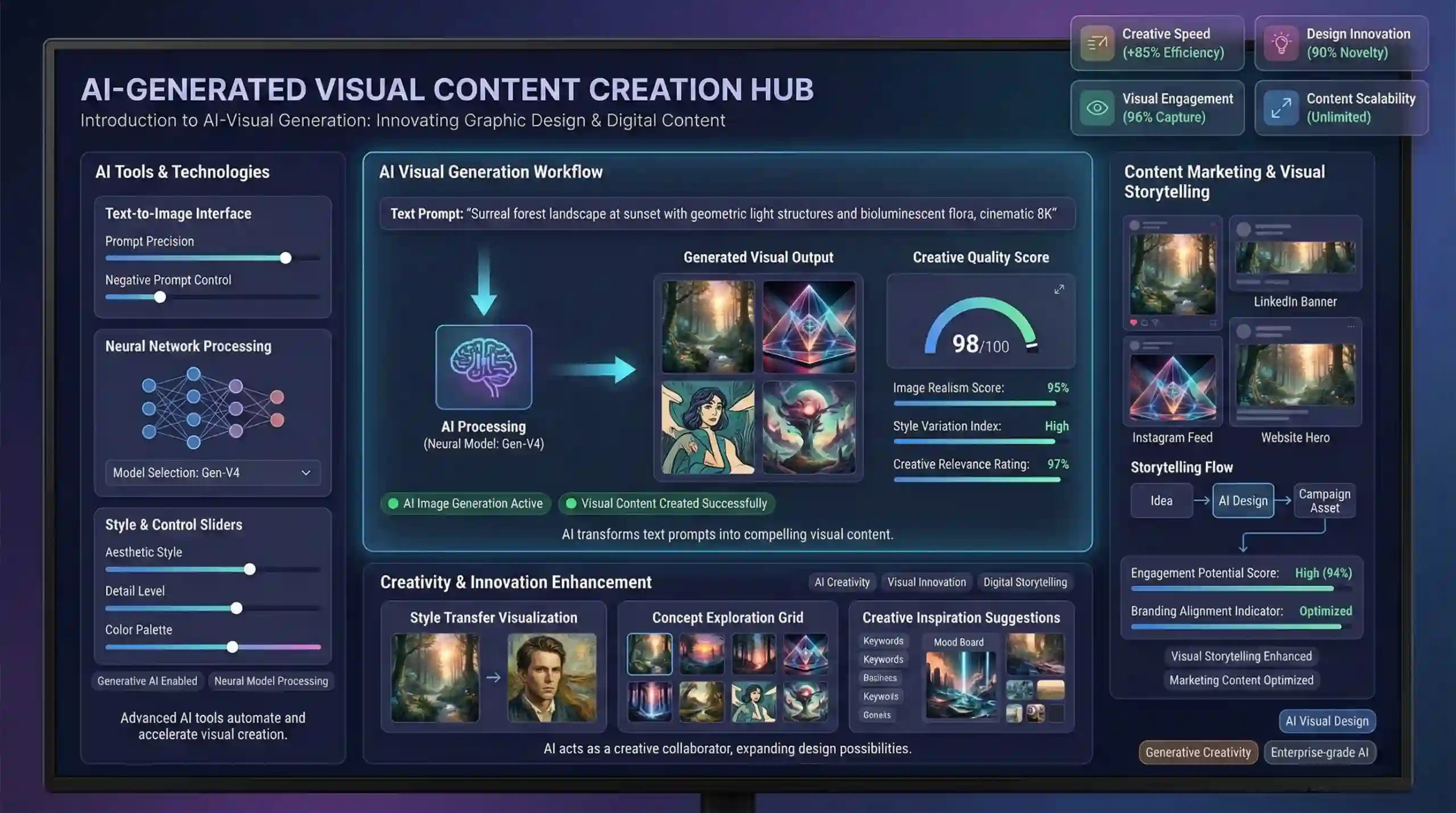
GANs consist of two neural networks—a generator and a discriminator—that compete to produce realistic images. The generator creates images from random noise, while the discriminator evaluates their authenticity against real images. Through adversarial training, GANs learn to generate highly detailed visuals, such as synthetic portraits or artwork. For example, StyleGAN2 can produce lifelike human faces used in virtual characters or branding assets.
Deep Learning for Visual Content Synthesis
Deep learning, leveraging multilayer neural networks, underpins most AI image generation methods. These models interpret and synthesize visual data by learning complex patterns from large datasets. Convolutional Neural Networks (CNNs), trained on thousands of images, can generate or augment visual content, enabling applications like auto-colorization, enhancement, and style transfer.
Neural Network-Based Image Synthesis Techniques
Techniques such as neural style transfer allow blending the style of an artistic image with a content image. Image-to-image translation maps one image to another (e.g., converting sketches into colored images). These neural algorithms reduce manual effort while enabling rapid generation of diverse visual effects, thus improving workflow efficiency.
Popular AI Image Generation Platforms
Platforms like DALL·E, Midjourney, and Stable Diffusion provide accessible interfaces for students to generate images. DALL·E 2 emphasizes text-to-image generation, while Stable Diffusion offers open-source models enabling customization. These platforms support various artistic styles and use cases, from conceptual art to marketing visuals.
3. Mastering AI Visual Content Creation Tools
Hands-On Practice with AI Art Generators
Practicing with AI art generators involves crafting descriptive prompts that guide the model to produce relevant visuals. For instance, a prompt like “a futuristic city skyline at sunset in a digital art style” can generate creative imagery suitable for concept design or visual branding.
Auto-Illustration and AI Graphic Design Platforms
Tools such as Canva’s AI features or Adobe’s Sensei incorporate automation in illustration and graphic design tasks. These platforms enable quick creation of logos, icons, and layouts, streamlining content development processes for students.
Text-to-Image Generation Techniques
Effective prompt engineering enhances output relevance. For example, specifying styles, color schemes, and composition details yields images aligned with project goals. Regular experimentation with prompt variations refines understanding and skill.
Style Transfer and Image Enhancement
AI can mimic artistic styles, such as impressionism or digital art, and improve image resolution. Tools like DeepDream or NeuralStyler facilitate style transfer, while super-resolution algorithms enhance image clarity, making visuals suitable for professional presentations.
4. Ethical Use & Copyright Considerations in AI Visual Content
AI-Generated Art Licensing and Intellectual Property Rights
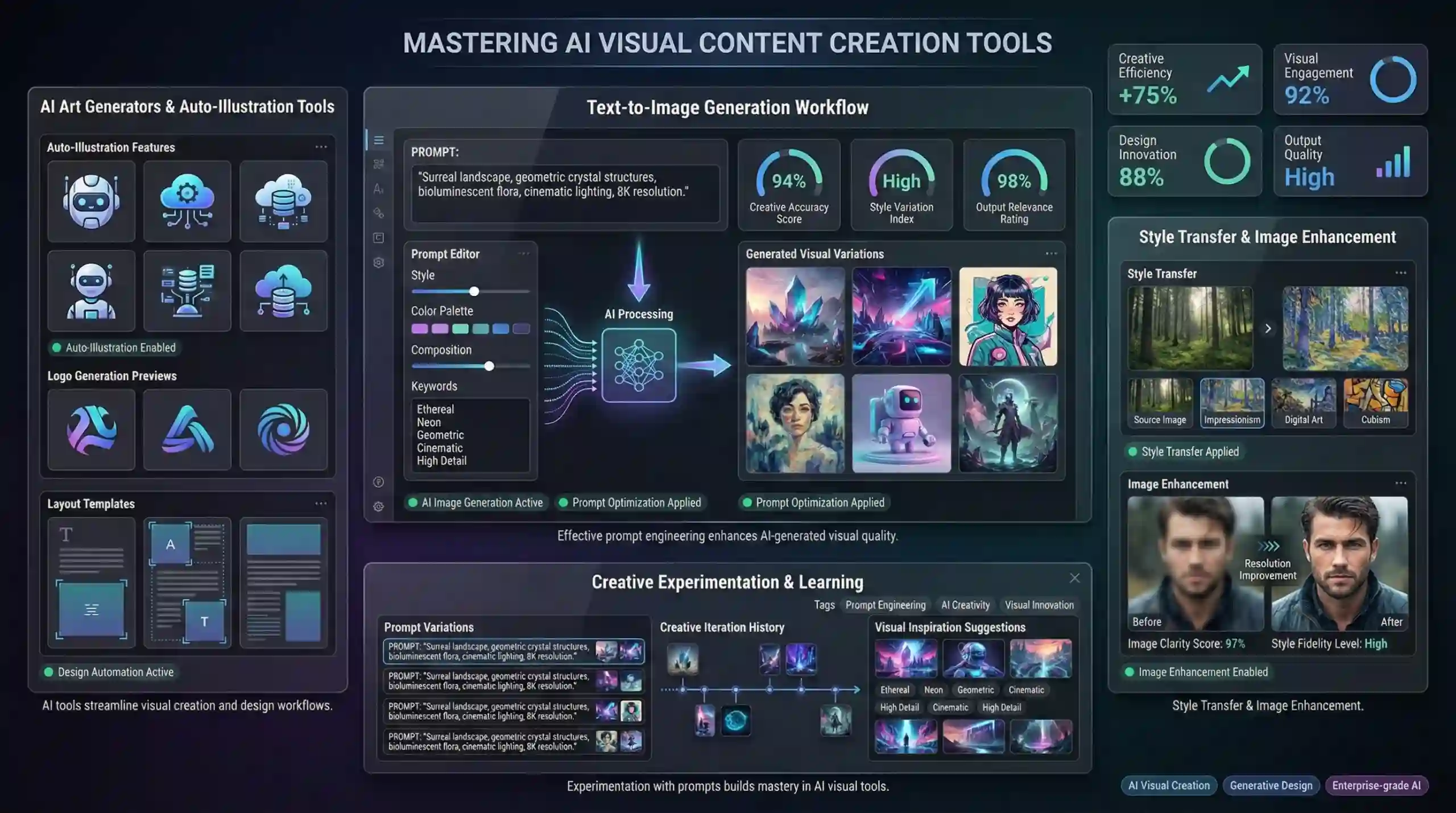
Legal frameworks for AI-generated content are evolving. Many models train on copyrighted data, raising questions about ownership. Generally, AI-created images may be protected under licenses specific to the platform used. Students must verify licensing agreements to ensure legal compliance when publishing or commercializing AI-generated visuals.
Ethical Implications of AI in Creative Industries
Ethical considerations include maintaining originality and avoiding misrepresentation. AI tools can potentially produce deceptive or misleading visuals. Recognizing authorship and transparency about AI involvement uphold ethical standards. It is crucial to use AI responsibly, especially in media and advertising.
Creating Copyright-Compliant Visuals with AI
Best practices involve using licensed datasets, understanding platform policies, and providing attribution where required. For example, generating art with open-source models like Stable Diffusion under permissive licenses ensures compliance.
Fair Use Policies and AI Content Usage
Fair use permits limited use of copyrighted works for critique, education, or commentary. When incorporating AI-generated images, understanding fair use limits helps prevent legal infringement. Being transparent about AI involvement and respecting intellectual property rights is essential.
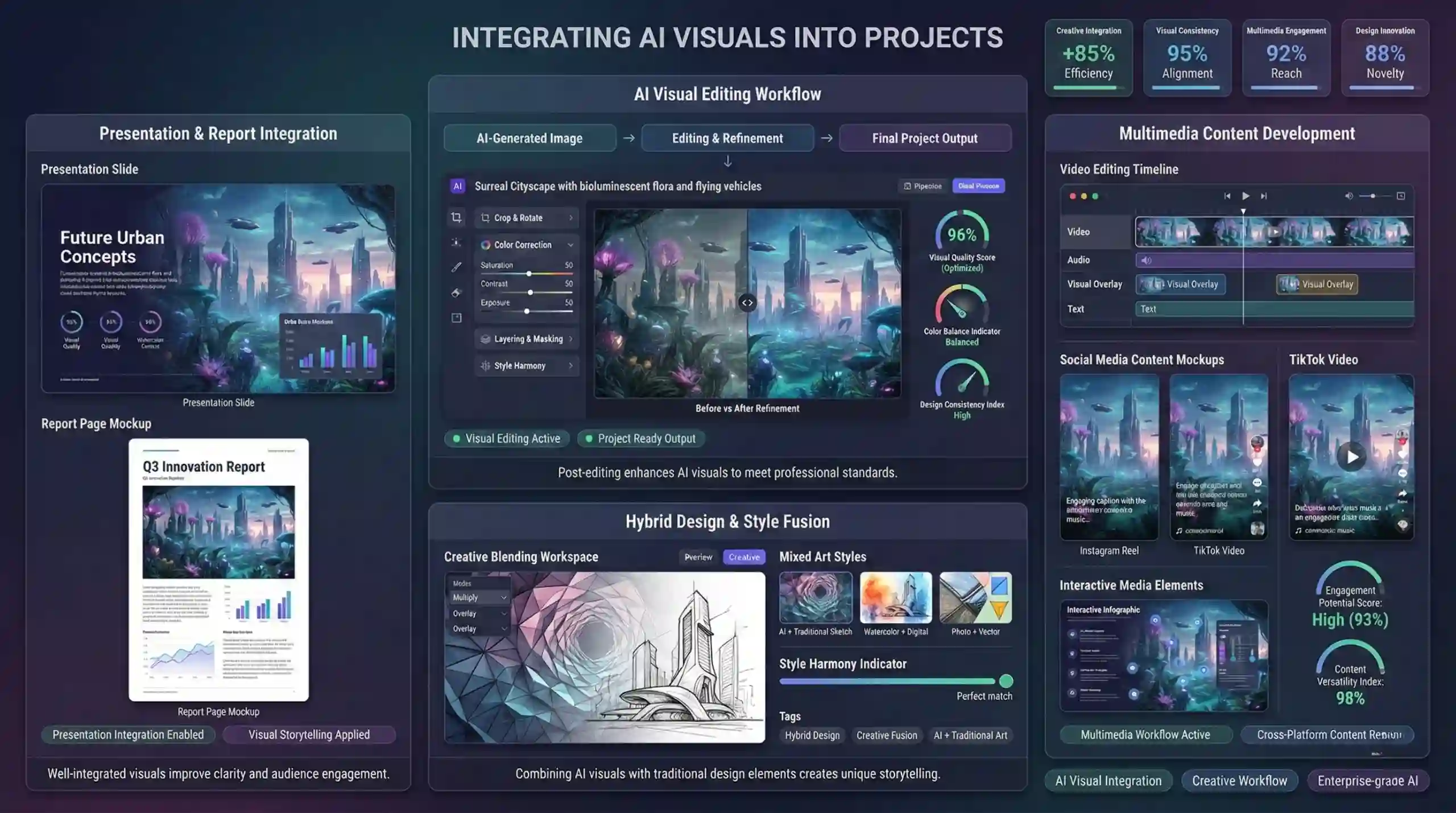
5. Integrating AI Visuals into Projects
Visual Content Editing and Customization
Post-generation editing with software like Photoshop or GIMP allows refinement, ensuring visuals meet project standards. Basic skills in cropping, color correction, and layering enhance the professional quality of AI-generated images.
Adding AI-Created Graphics to Presentations and Reports
Embedding visuals in slides or reports amplifies message impact. Consistent styling and contextual relevance maximize engagement and comprehension.
Multimedia Content Development Using AI Visuals
Combining AI imagery with video editing tools and interactive media creates versatile content, such as social media campaigns or educational videos, expanding communication channels.
Fusing AI-Generated Images with Traditional Design Elements
Blending AI visuals with hand-drawn elements or traditional graphics fosters unique storytelling aesthetics. Techniques include overlaying sketches on AI backgrounds or combining different art styles.
6. Future Trends in AI Visual Content Generation
Emerging AI Innovations in Visual Creativity
Upcoming advancements include 3D AI-generated assets and real-time visual synthesis, facilitating immersive experiences. These innovations expand possibilities in gaming, virtual environments, and marketing.
Generative Design and Automated Creativity
Algorithms now assist in creating design options automatically, streamlining workflows. AI-driven tools can generate logo variations or layout options, reducing manual effort.
Interactive and Immersive Visual Content
AR and VR integrations allow viewers to engage with AI-created environments or artworks interactively. AI-powered virtual assistants enhance content customization in real-time.
Career Opportunities in AI-Based Visual Content Creation
Growing demand exists for roles such as AI graphic designers, digital content strategists, and visual AI developers. These careers combine creativity with technical expertise in machine learning and digital art.
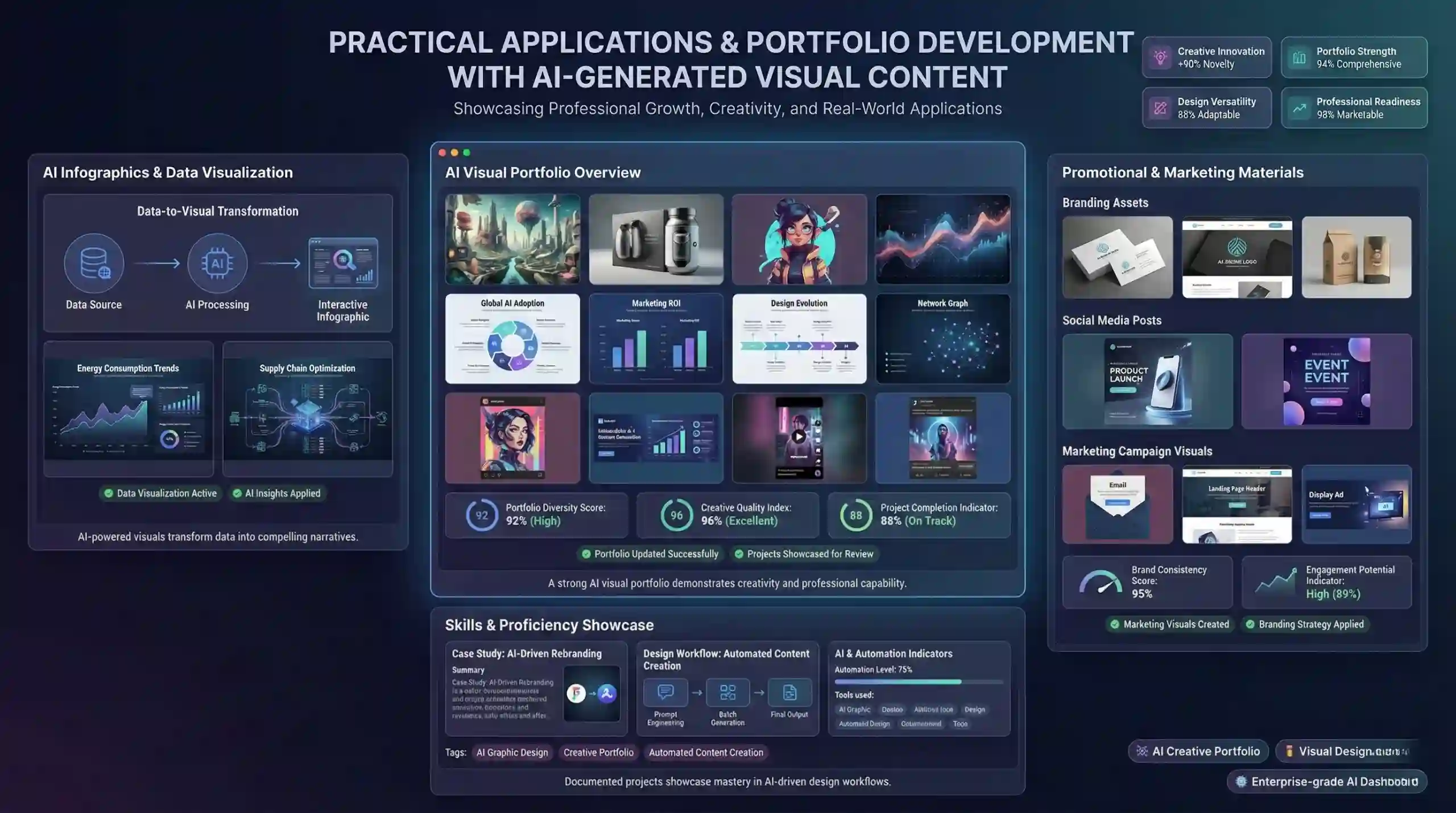
7. Practical Applications & Portfolio Development
Building an AI-Generated Visual Content Portfolio
A well-curated portfolio showcases your best AI-created images, infographics, and multimedia projects. Demonstrating versatility and mastery fosters professional growth and employment prospects.
Showcasing AI-Powered Infographics and Data Visualizations
Transform data sets into compelling narratives using AI tools like Tableau or Datawrapper integrated with AI-generated visuals. Effective visualization improves comprehension and decision-making.
Creating AI-Enhanced Promotional and Marketing Materials
Design branding assets such as logos, banners, and social media content with AI support. Consistency and creativity in these visuals boost brand recognition.
Demonstrating Proficiency in AI Graphic Design & Automated Content Creation
A comprehensive portfolio with prototypes, case studies, and project summaries illustrates your competencies, enabling career advancement.
8. Continuous Learning & Community Engagement
Joining Online Forums, Webinars, and Workshops Focused on AI in Visual Arts
Participation in communities like Reddit’s AI Art or Coursera courses keeps learners updated on technological advances and best practices.
Staying Updated with Latest AI Tools and Techniques
Regular exploration of new AI platforms, tutorials, and research papers ensures skills remain relevant in the rapidly evolving field.
Analyzing Case Studies and Real-World AI Visual Content Projects
Studying successful implementations provides insights into effective strategies and inspires innovative applications.
Participating in Competitions and Collaborative Projects
Engaging in AI art contests and team projects enhances practical experience, fosters networking, and develops a portfolio.
Endnote: This structured, theory-based educational roadmap equips students with comprehensive knowledge of AI-powered visual content creation, blending foundational concepts with emerging trends and practical skills. It prepares learners for careers in creative industries driven by AI and digital innovation.
Study Resources and Beginner-Friendly Websites
- W3Schools: https://www.w3schools.com/
- GeeksforGeeks: https://www.geeksforgeeks.org/
- Coursera (AI and Graphic Design courses): https://www.coursera.org/
- OpenAI (for DALL·E and related models): https://platform.openai.com/
- Hugging Face (AI models for image synthesis): https://huggingface.co/
- Fast.ai (Deep learning tutorials): https://www.fast.ai/
- Khan Academy (Basics of AI and programming): https://www.khanacademy.org/
- YouTube tutorials on AI image generation (search beginner guides)
This educational material balances theoretical depth and practical knowledge, equipping students to excel in AI-powered visual content creation and leverage digital advances ethically and effectively.
More Courses
- Social Media Marketing course with Gen AI
- Advance Digital Marketing & SEO course with Gen AI
- Advanced Certificate in Digital Design & Marketing course with Gen AI
- Meta & Google Ads course with Gen AI