1. Understand SEO Keyword Research
Concept Explanation
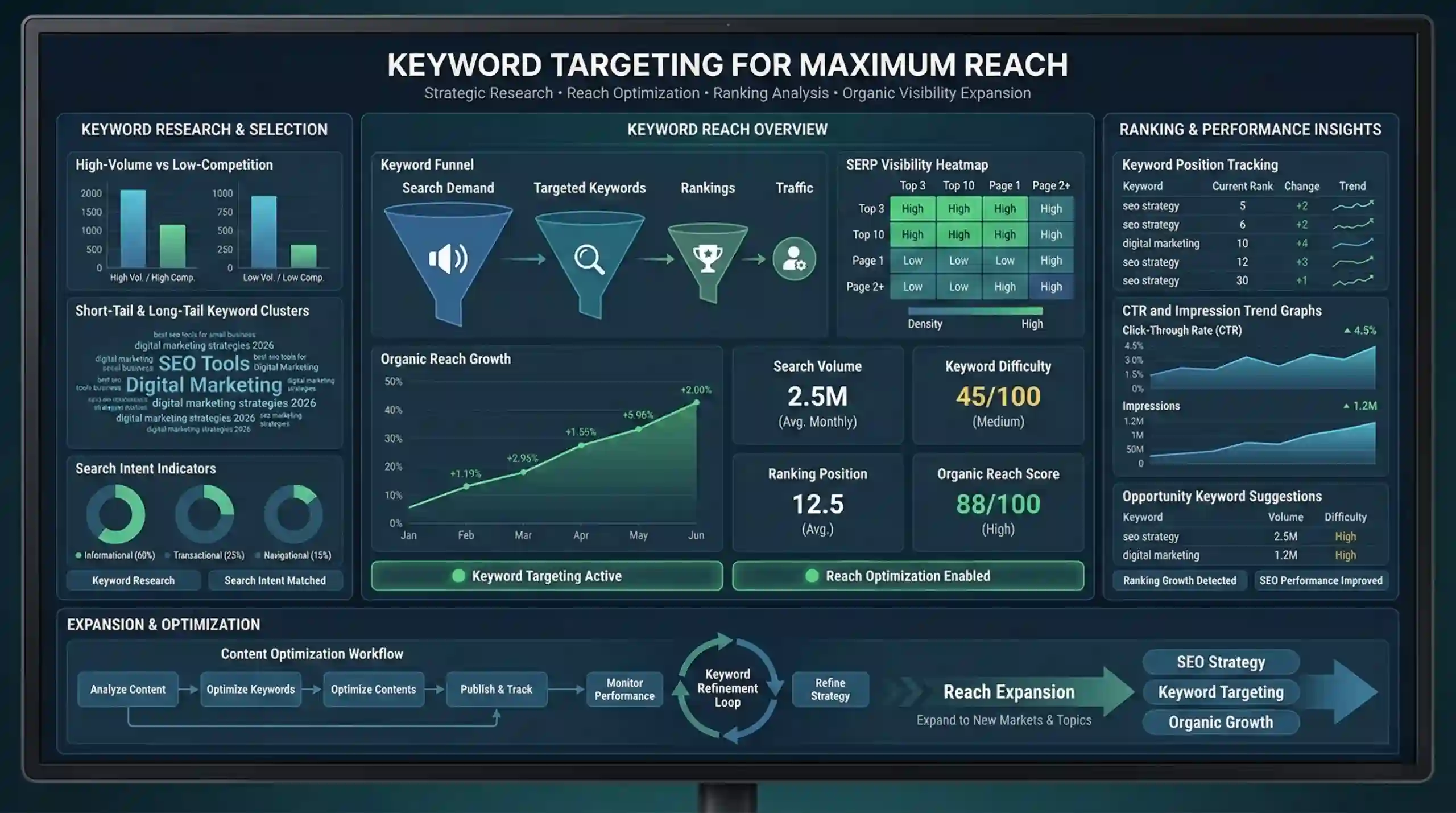
SEO keyword research is the foundational process of identifying the words and phrases that users type into search engines to find information, products, or services relevant to your niche. Effective keyword research ensures your content aligns with audience search behavior, increasing organic visibility.
Advanced Keyword Research Tools
Various sophisticated tools facilitate comprehensive keyword discovery:
- Google Keyword Planner: Provides search volume data, competition levels, and keyword ideas.
- SEMrush: Offers in-depth keyword analytics, including related keyword suggestions, ranking difficulty, and competitive analysis.
- Ahrefs: Provides detailed keyword difficulty scores, search volume, and backlink profiles of top-ranking pages.
- Moz Keyword Explorer: Delivers keyword suggestions, difficulty metrics, and opportunity scores.
Example: Using SEMrush, a website targeting “digital marketing” can identify high-volume keywords like “digital marketing strategies” and niche long-tail keywords such as “digital marketing for small businesses.”
Identifying High-Volume and Long-Tail Keywords
High-search volume keywords attract maximum overall traffic but often face fierce competition. In contrast, long-tail keywords (phrases typically longer and more specific) tend to have lower competition and higher search intent alignment.
Analyzing Keyword Difficulty
Tools provide metrics like keyword difficulty (KD), which indicate how challenging it is to rank for a given keyword. Choosing keywords with achievable difficulty scores is vital for new or smaller sites.
Example: A KD score under 30 from Ahrefs suggests the keyword is relatively easier to rank for, enabling quick visibility.
2. Competitor Keyword Analysis
Concept Explanation
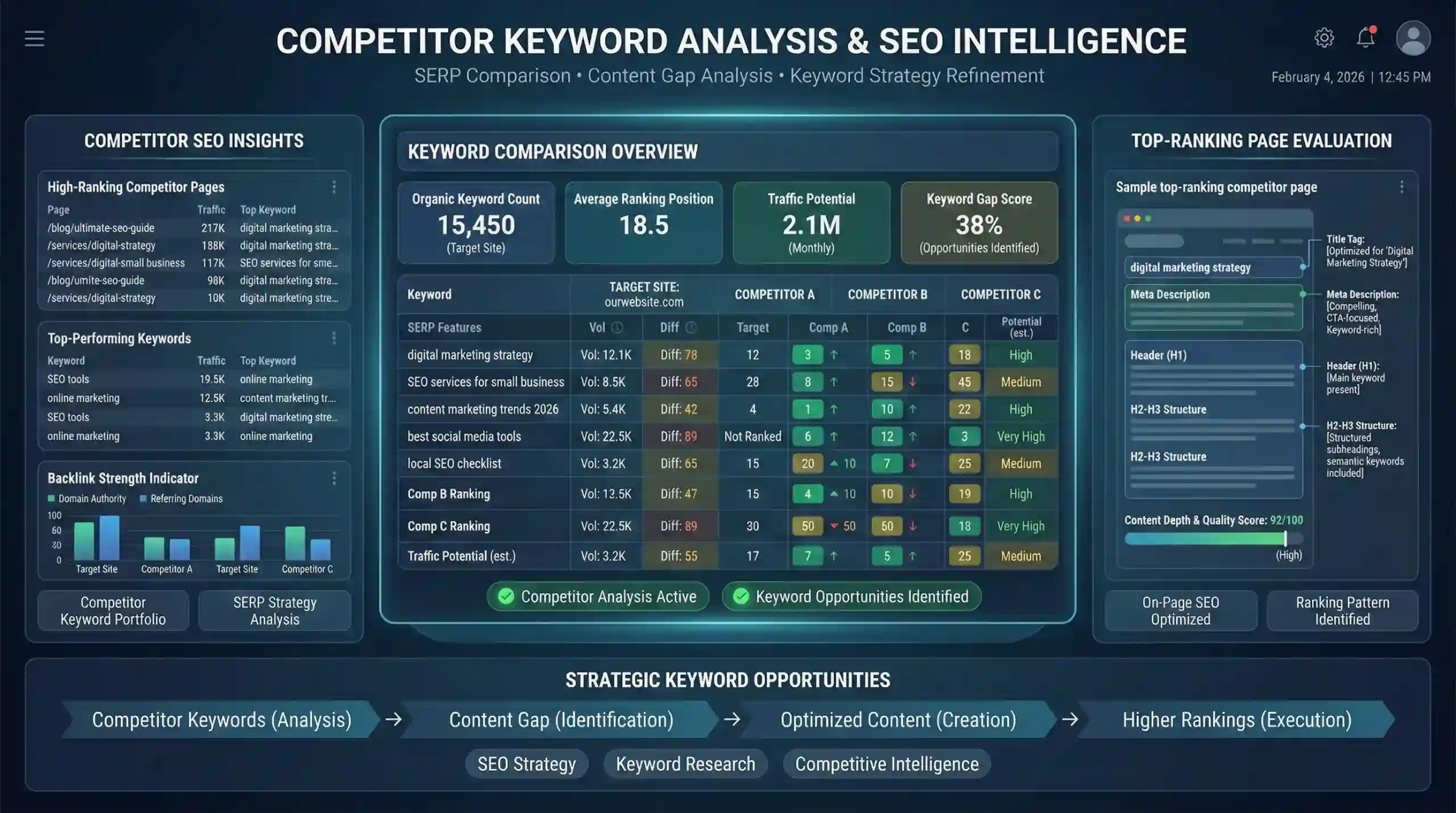
Analyzing competitors’ keywords reveals the search terms they rank for, uncovering content gaps and keyword opportunities within your niche.
Competitor SEO Analysis
Performing a competitor analysis involves examining their high-ranking pages, keywords, and backlink profiles. Tools like SEMrush enable comparisons of competitors’ keyword portfolios and SERP strategies.
Example: If Competitor A ranks high for “affordable web hosting,” identifying the keywords they target can help tailor your strategy to outperform them.
Studying Top-Ranking Pages
Analyzing top pages for targeted keywords involves assessing their keyword placement, content quality, and on-site optimization strategies—like keyword placement in titles, meta tags, and headers. This guides replicating successful patterns.
3. Keyword Intent and Audience Targeting
Categorizing Search Intent
Understanding search intent helps match your content to what users are seeking:
- Informational: Users seek knowledge (e.g., “What is SEO?”).
- Transactional: Users intend to make a purchase (e.g., “Buy running shoes online”).
- Navigational: Users look for specific websites (e.g., “Facebook login”).
- Commercial Investigation: Users compare options before buying (e.g., “Best smartphones 2023”).
Aligning Content with Intent
Optimizing content for the appropriate intent increases click-through rates (CTR) and conversions. For example, blog articles serve informational intent; product pages target transactional keywords.
Persona-Based Keyword Targeting
Developing audience personas enables selecting keywords that align with user needs. For instance, targeting “starter SEO tools” for beginner marketers enhances relevance.
4. On-Page SEO Optimization for Keyword Targeting
Incorporating Keywords
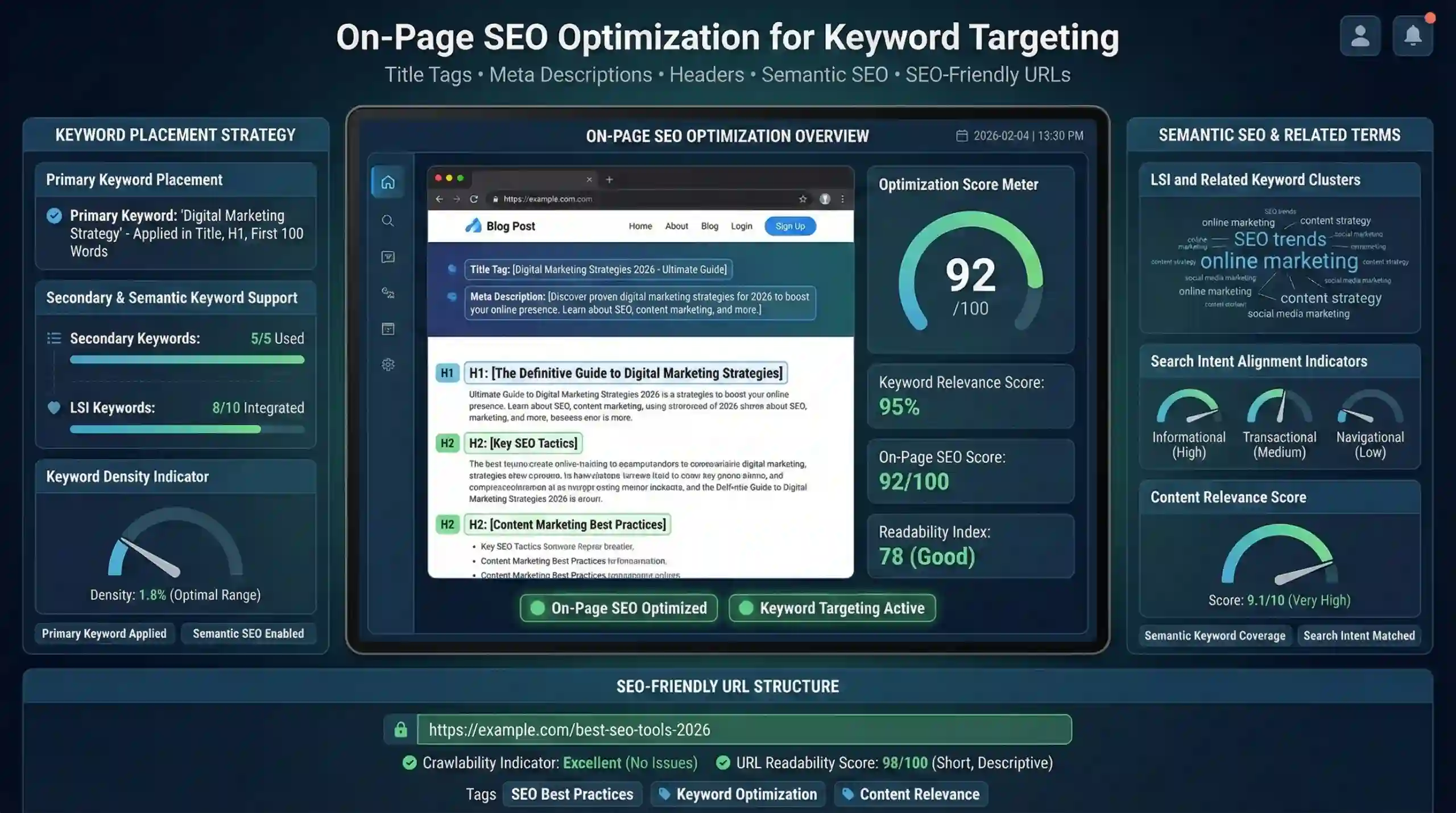
Strategically placing primary keywords in titles, meta descriptions, and headers (H1-H6) ensures search engines understand your page’s focus.
Example: For a page about “best SEO tools,” include the keyword in the title tag, meta description, and H1, like:
<title>Best SEO Tools for 2024 | Boost Your Rankings</title>
<meta name="description" content="Discover the top SEO tools to enhance your website's visibility and ranking in 2024.">
<h1>Top SEO Tools for Success in 2024</h1>
Semantic SEO and Related Terms
Using LSI (Latent Semantic Indexing) keywords and related terms helps search engines better interpret your content, improving relevancy and ranking.
SEO-Friendly URLs
Short, descriptive URLs containing keywords enhance crawlability. Example: example.com/best-seo-tools-2024.
5. Content Creation and Keyword Optimization
Developing Keyword-Rich Content
Content must be both high-quality and optimized around targeted keywords, addressing user search intent comprehensively for better SEO.
Leveraging LSI Keywords
Integrate related keywords that reinforce your main topic, such as using “search engine optimization strategies” alongside “SEO techniques.”
Keyword Density
Maintain keyword density within 1-2%—avoiding keyword stuffing ensures content remains natural and avoids penalties.
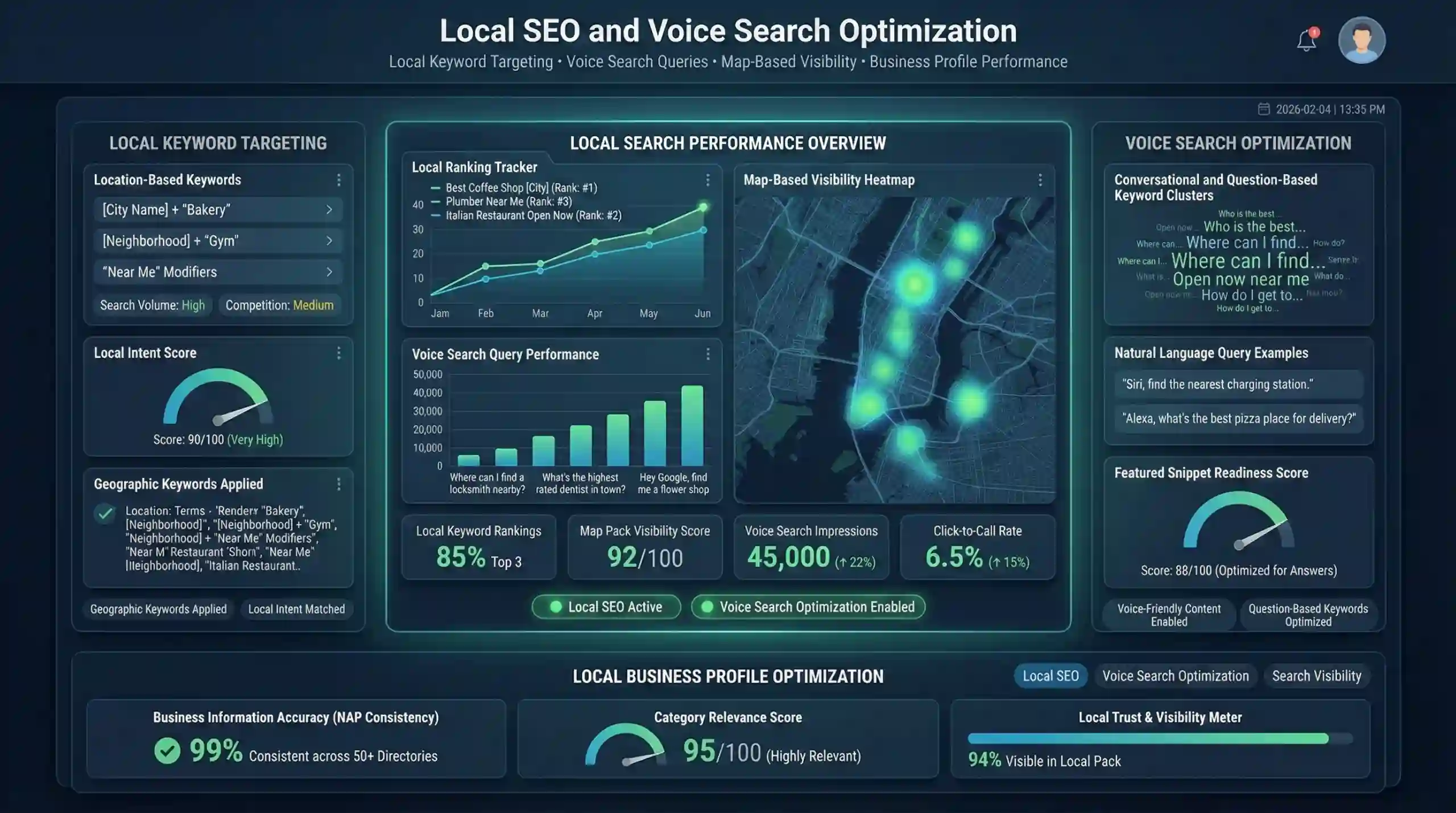
6. Local SEO and Voice Search Optimization
Local SEO Keywords
Include geographic terms—e.g., “SEO services in New York”—to rank in local searches and Google Maps.
Voice Search Optimization
Use natural, conversational language and question-based keywords like “What are the best SEO practices for small businesses?” to capture voice search traffic.
Google My Business Optimization
Enhance your GMB profile with relevant local keywords, accurate NAP (Name, Address, Phone Number), and relevant categories to improve local pack visibility.
7. Off-Page SEO and Backlink Strategies
Acquiring Authority Backlinks
Earn backlinks from reputable sites related to your keyword niche. For example, guest posting on industry blogs or participating in expert roundups.
Guest Posting
Create guest articles focusing on your target keywords to increase authority and referral traffic.
Content Marketing for Backlinks
Create shareable, valuable, keyword-rich content (like infographics or guides) that naturally attracts backlinks and social shares, boosting SEO.
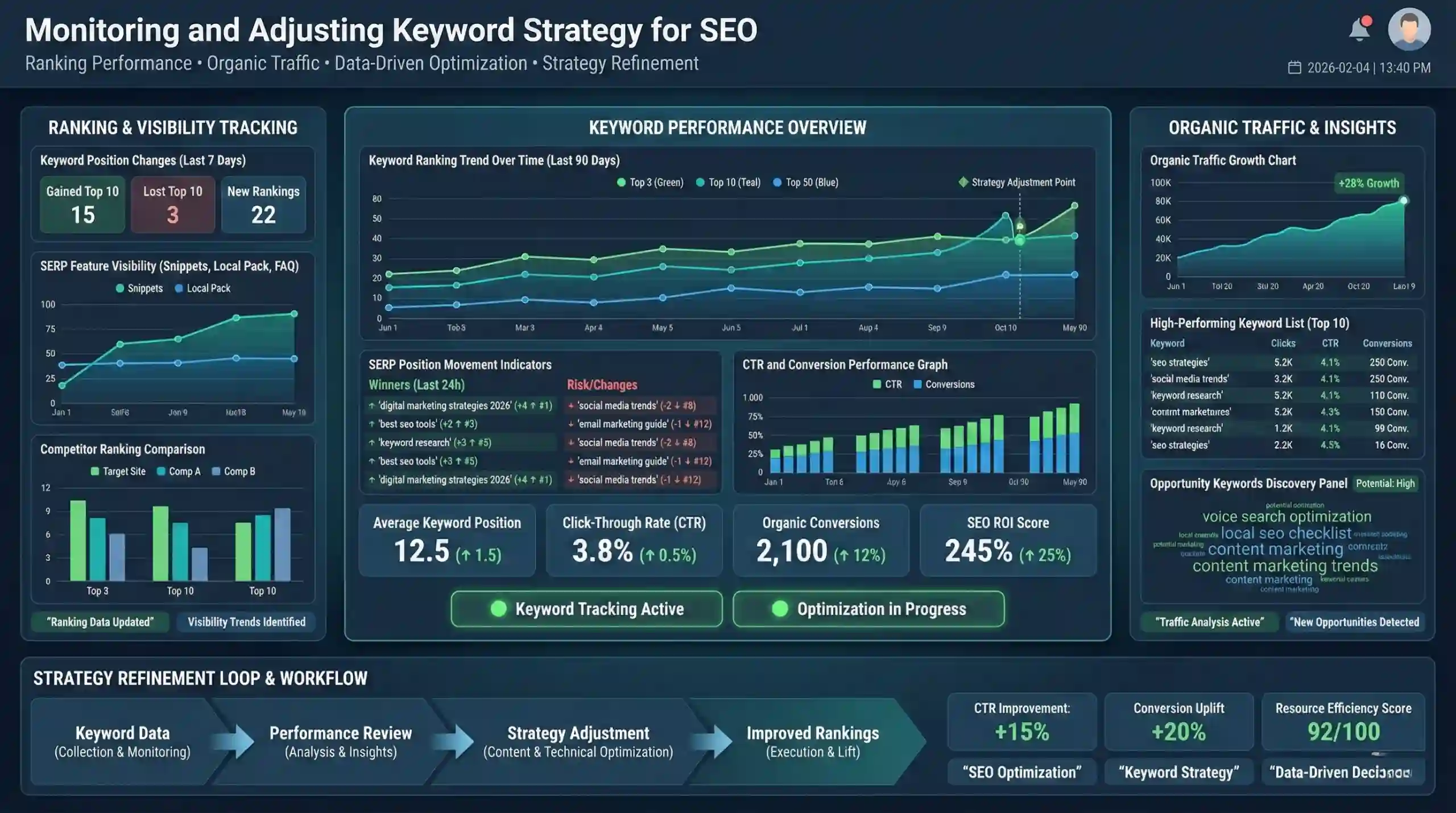
8. Monitoring and Adjusting Keyword Strategy
Tracking Keyword Rankings
Use tools such as SEMrush Position Tracking, Ahrefs Rank Tracker, and SERPWatcher to monitor how your keywords perform over time.
Analyzing Organic Traffic
Utilize Google Analytics and Google Search Console to observe visitor behavior, identify high-performing keywords, and uncover new opportunities.
Refining Strategy
Regularly reassess your keyword rankings, CTR, and conversion data to optimize your keyword list, focusing resources on the most effective terms for greater SEO ROI.
9. Advanced Keyword Strategy
Implementing Schema Markup
Adding schema markup (e.g., Article, Product, FAQ) enhances search appearance through rich snippets, which can improve CTR and visibility.
{
  "@context": "https://schema.org",
  "@type": "Article",
  "headline": "Ultimate Guide to SEO Keyword Targeting",
  "author": "Jane Doe",
  "datePublished": "2024-01-15"
}
A/B Testing Keywords
Test variations of meta titles, descriptions, or content focus on different keywords to determine which drive better engagement and rankings.
Programmatic SEO
Leverage automation and data-driven techniques for large-scale keyword targeting, enabling efficient expansion into multiple niches or local markets.
Conclusion
Following this structured roadmap enables the development of a robust SEO keyword targeting strategy that maximizes organic reach, increases web traffic quality, and secures top rankings in search engine results pages.
Practice Questions
-
What are the main differences between high-volume keywords and long-tail keywords?
Expected outcome: High-volume keywords attract rapid, broad traffic, but face competition; long-tail keywords are more specific, targeted, and easier to rank for. -
How does keyword difficulty influence your choice of keywords?
Expected outcome: Keywords with lower difficulty scores are easier to rank for, especially for new websites or niche content. -
Explain how analyzing top-ranking competitors’ pages can inform your keyword strategy.
Expected outcome: It reveals which keywords they rank for and their content approach, guiding your own optimization efforts. -
Describe the role of semantic SEO in keyword optimization.
Expected outcome: Incorporating related terms and LSI keywords improves content relevance and search engine understanding, boosting rankings. -
Write a sample URL for a page targeting “best SEO tools for small businesses.”
Expected output:https://example.com/best-seo-tools-small-businesses -
Why is it important to adapt your keyword strategy based on performance data?
Expected outcome: To optimize resource allocation, improve rankings, and ultimately increase ROI by focusing on the most effective keywords. -
How does schema markup enhance search engine visibility?
Expected outcome: It enables rich snippets, which can improve click-through rate and showcase more information on SERPs. -
What are some effective ways to optimize a Google My Business profile?
Expected outcome: Use relevant local keywords, complete accurate NAP info, add pictures, and encourage reviews. -
How can voice search optimization influence your keyword selection?
Expected outcome: Focus on natural language and question-based keywords to match conversational search queries. -
Provide a brief explanation of programmatic SEO and its advantage.
Expected outcome: Automated, data-driven SEO techniques allow targeting numerous keywords efficiently at large scales.
Resources for Further Study
This comprehensive, theory-focused educational material offers an in-depth understanding of how to develop and execute a keyword targeting strategy designed to maximize organic search reach.
More Courses
- Social Media Marketing course with Gen AI
- Advance Digital Marketing & SEO course with Gen AI
- Advanced Certificate in Digital Design & Marketing course with Gen AI
- Meta & Google Ads course with Gen AI