
1. Introduction to Audience Segmentation
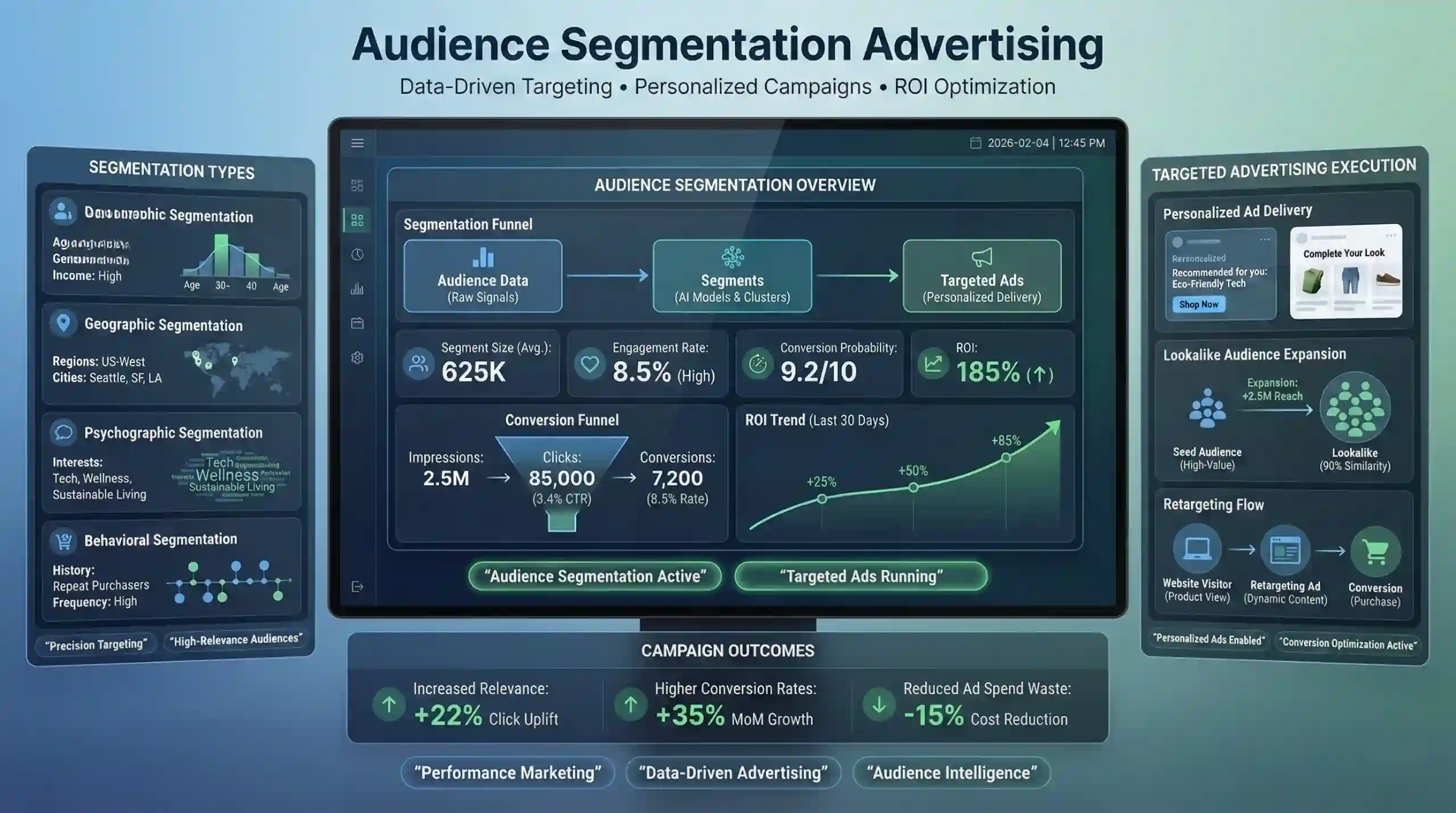
Understanding Audience Segmentation in Digital Marketing
Audience segmentation is a fundamental concept in digital marketing that involves dividing a broad target audience into smaller, more homogeneous groups based on shared characteristics. This process allows marketers to craft tailored messages that resonate specifically with each segment, thereby increasing the relevance and effectiveness of advertising efforts.
The importance of audience segmentation lies in its capacity to enhance campaign efficiency. Rather than deploying a generic message across a diverse audience, segmentation enables precise targeting, which leads to higher engagement, better conversion rates, and improved customer satisfaction. For example, a clothing retailer may segment its audience by age and gender to promote different product lines—youth fashion for younger segments and professional attire for older demographics.
Benefits of Audience Segmentation
- Increased marketing ROI through targeted efforts.
- Enhanced ad relevance and personalization.
- Better understanding of customer needs and preferences.
- More efficient allocation of advertising budgets.
- Improved customer experience and loyalty.
2. Types of Audience Segmentation
Demographic Segmentation
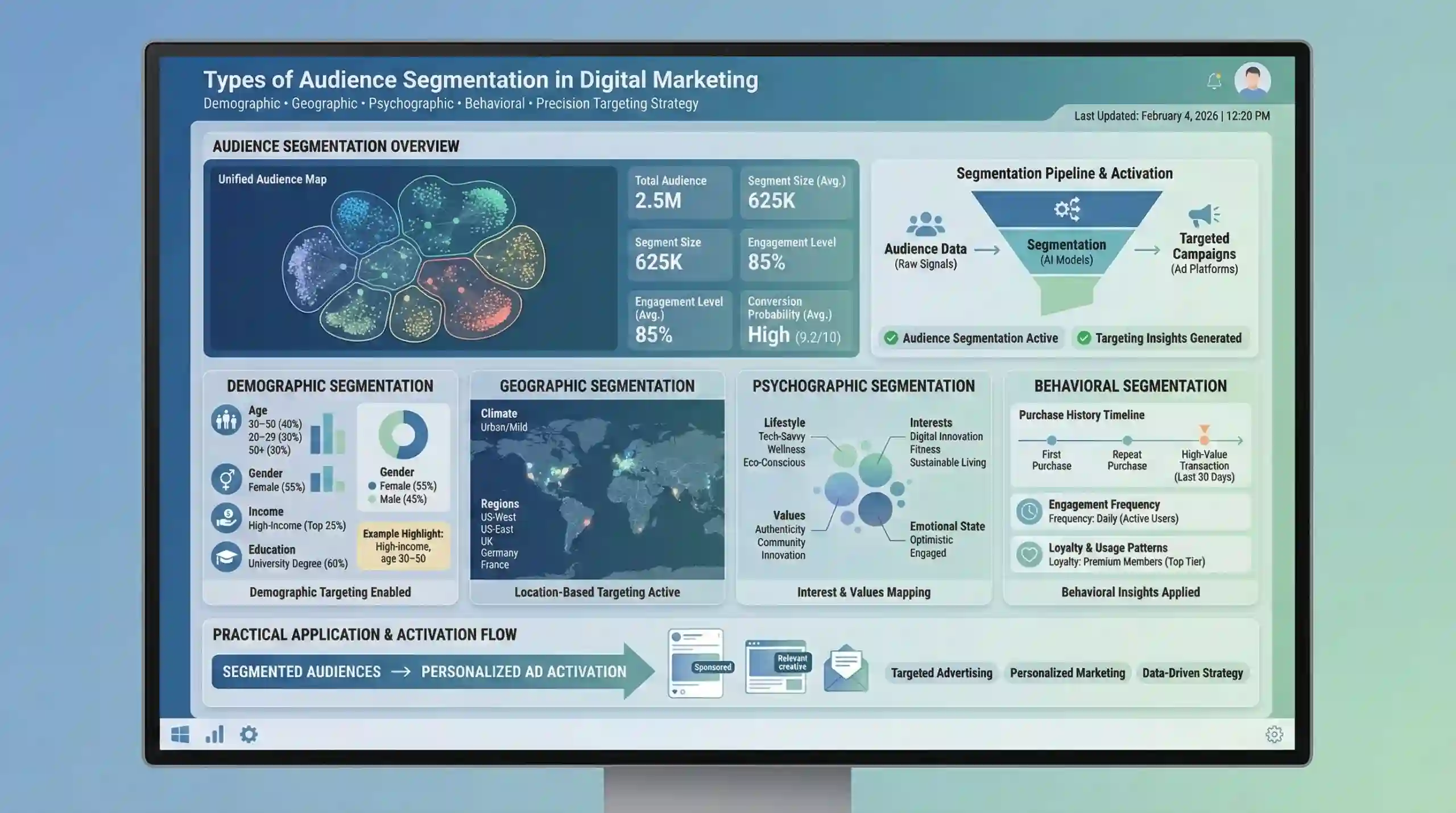
Demographic segmentation categorizes audiences based on measurable attributes like age, gender, income, education, occupation, and family status. These characteristics are straightforward to acquire and provide a solid foundation for targeting. For instance, a luxury watch brand might focus on high-income groups aged 30-50.
Real-world example: A beauty brand targets women aged 18-24 with social media campaigns highlighting trendy makeup products.
Geographic Segmentation
This segmentation divides audiences based on geographic location, such as country, region, city, or climate zones. Geographic segmentation is especially effective in hyper-local advertising, permitting campaigns to be tailored to local customs, languages, or weather patterns.
Real-world example: A surfboard company markets predominantly in coastal areas, adjusting messaging based on regional weather conditions.
Psychographic Segmentation
Psychographic segmentation involves dividing audiences based on lifestyle, interests, values, personalities, and attitudes. This approach enables marketers to connect on a deeper emotional level with consumers.
Real-world example: An eco-friendly brand targets environmentally conscious consumers who prioritize sustainability in their purchasing decisions.
Behavioral Segmentation
This segmentation classifies customers based on their behaviors, including purchase history, product usage frequency, engagement levels, and brand loyalty. Behavioral data often reflects actual customer needs, making this segmentation highly precise.
Real-world example: An online streaming service targets users with high engagement who frequently watch specific genres for personalized recommendations.
3. Data Collection & Analysis for Audience Segmentation
Utilizing Data Analytics Tools & Customer Data Platforms
Effective audience segmentation relies on robust data collection and analysis. Tools like Google Analytics, Tableau, and Customer Data Platforms (CDPs) aggregate and analyze user behavior across various touchpoints. These tools track page visits, click patterns, conversion funnels, and engagement metrics, providing actionable insights into audience preferences.
Example: Google Analytics can reveal that a segment of visitors spends significant time browsing summer clothing, suggesting targeted seasonal marketing.
Role of Big Data & CRM Data
Big data enables the collection of vast datasets from multiple sources, including social media, transactional records, and website interactions. Customer Relationship Management (CRM) systems centralize customer data, enabling brands to build comprehensive customer profiles. These profiles inform precise audience segmentation strategies aligned with Customer Segmentation Strategies.
Outcome: Combining big data with CRM insights allows for dynamic segmentation, ensuring marketing messages remain relevant and timely.
4. Building Buyer Personas
Creating Detailed Buyer Personas
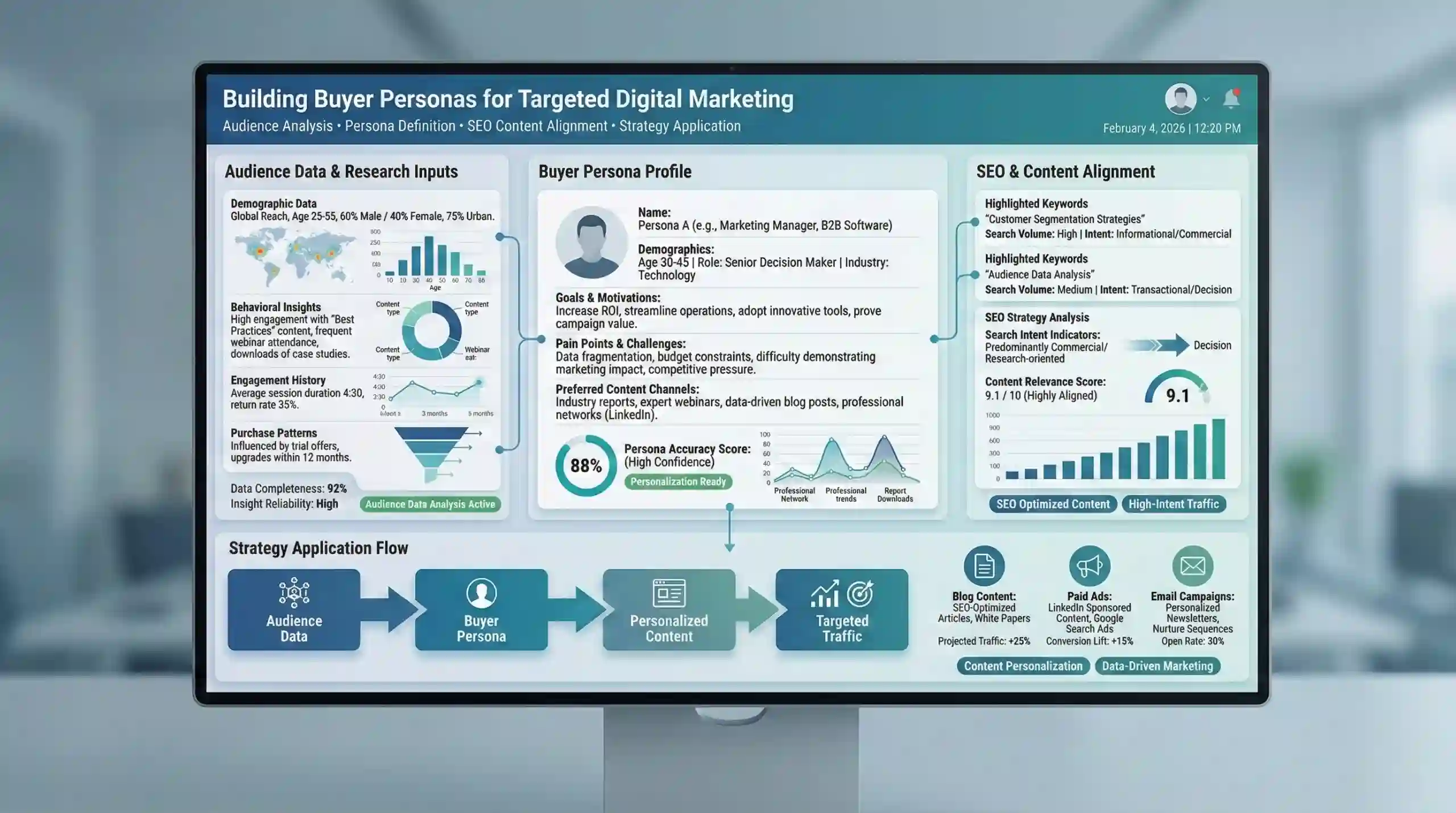
Buyer personas are semi-fictional representations of ideal customers derived from real data and research. They encompass demographics, behaviors, motivations, pain points, and goals. Building accurate personas enhances personalization efforts and ensures targeted messaging aligns with audience interests.
Example: A SaaS company creates a persona named “Tech-Savvy Tim,” a 35-year-old IT manager interested in cloud solutions, enabling tailored content marketing.
Incorporating Key SEO Keywords
Strategic inclusion of SEO keywords like “Customer Segmentation Strategies” and “Audience Data Analysis” improves search engine visibility, drawing targeted traffic interested in marketing strategies.
Example: A blog titled “Effective Customer Segmentation Strategies for Digital Marketers” attracts relevant audiences actively seeking segmentation advice.
5. Developing Segmented Advertising Campaigns
Designing Custom Marketing Messages & Creative Assets
Tailoring ad copy, visuals, and CTAs for each segment improves engagement. For example, a fitness brand might use energetic visuals and bold language for younger audiences, while emphasizing health benefits for older segments.
Optimizing Ads for PPC, Social Media, Display, and Programmatic Advertising
Each digital advertising platform requires specific strategies. Use audience-specific keywords, bid adjustments, and ad placements to optimize performance across channels like Google Ads, Facebook Ads, and display networks.
Outcome: Higher Quality Scores, increased click-through rates (CTR), and better conversion metrics due to tailored messaging.
6. Use of Segmentation in Digital Advertising Platforms
Leveraging Google Ads, Facebook Ads, and Programmatic Ad Networks
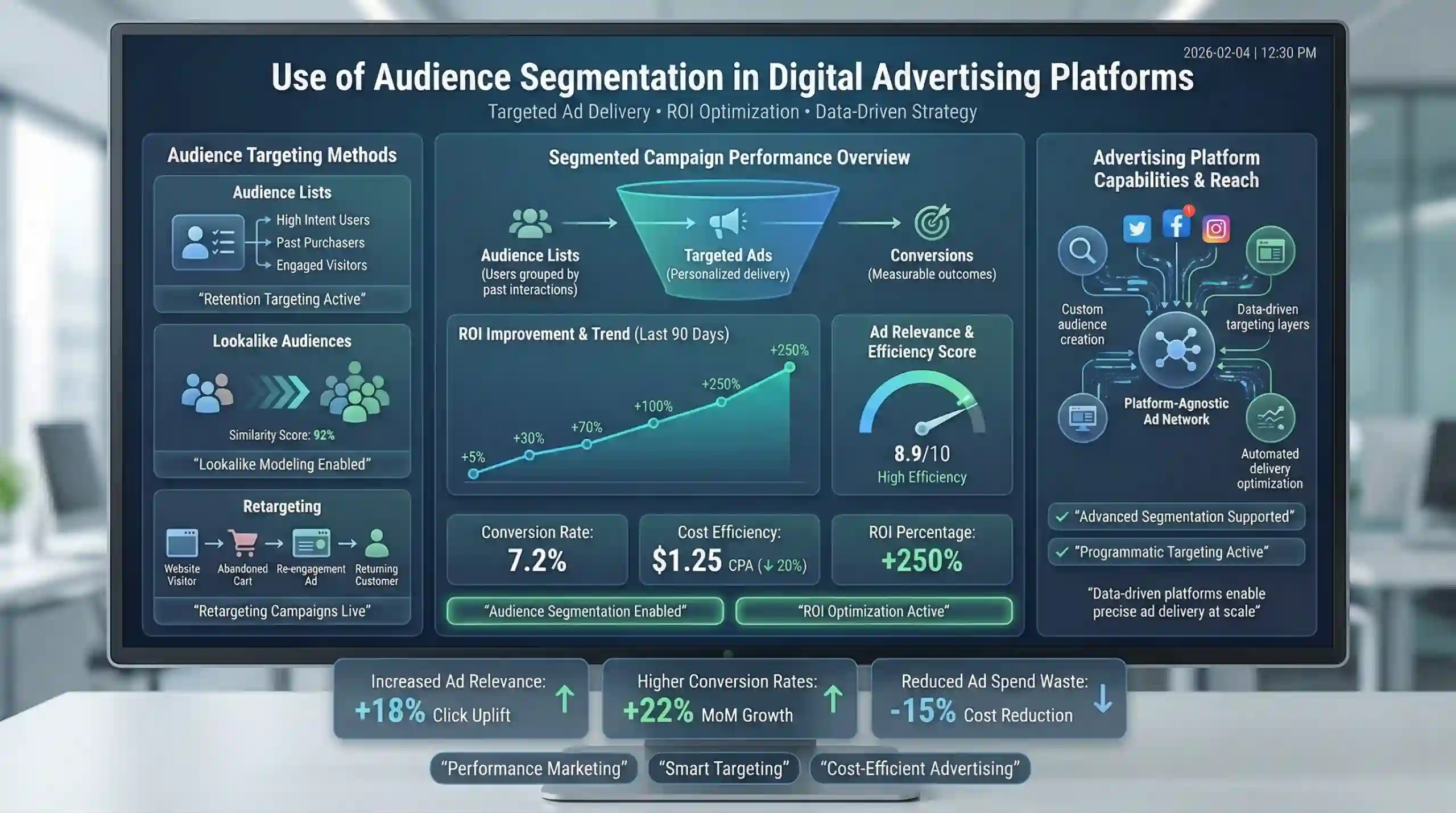
These platforms support advanced segmentation through audience lists, custom audiences, and lookalike models. They enable deploying highly targeted ads based on user data, thus maximizing ROI.
Utilizing Audience Lists, Lookalike Audiences, and Retargeting
- Audience Lists: Retain groups of users based on their interactions.
- Lookalike Audiences: Find new users similar to existing customers.
- Retargeting: Re-engage users who previously visited your website or interacted with your content.
Outcome: Increased ad relevance and conversions, reduced ad spend waste.
7. Measuring & Optimizing Segmented Campaign Performance
Tracking KPIs such as CTR, Conversion Rate, CPA, and Engagement Metrics
Diligent measurement of key performance indicators (KPIs) helps assess the success of segmentation strategies. Variations in CTR, cost-per-acquisition (CPA), and engagement metrics indicate areas for refinement.
Using A/B Testing & Data-Driven Optimization
Systematic testing of different message variations, creatives, and targeting parameters enables continuous improvement. Data-driven insights support adjusting audience segments and campaign tactics to maximize ROI.
Example: Testing two ad copies to see which yields a higher CTR within a segment, then refining based on results.
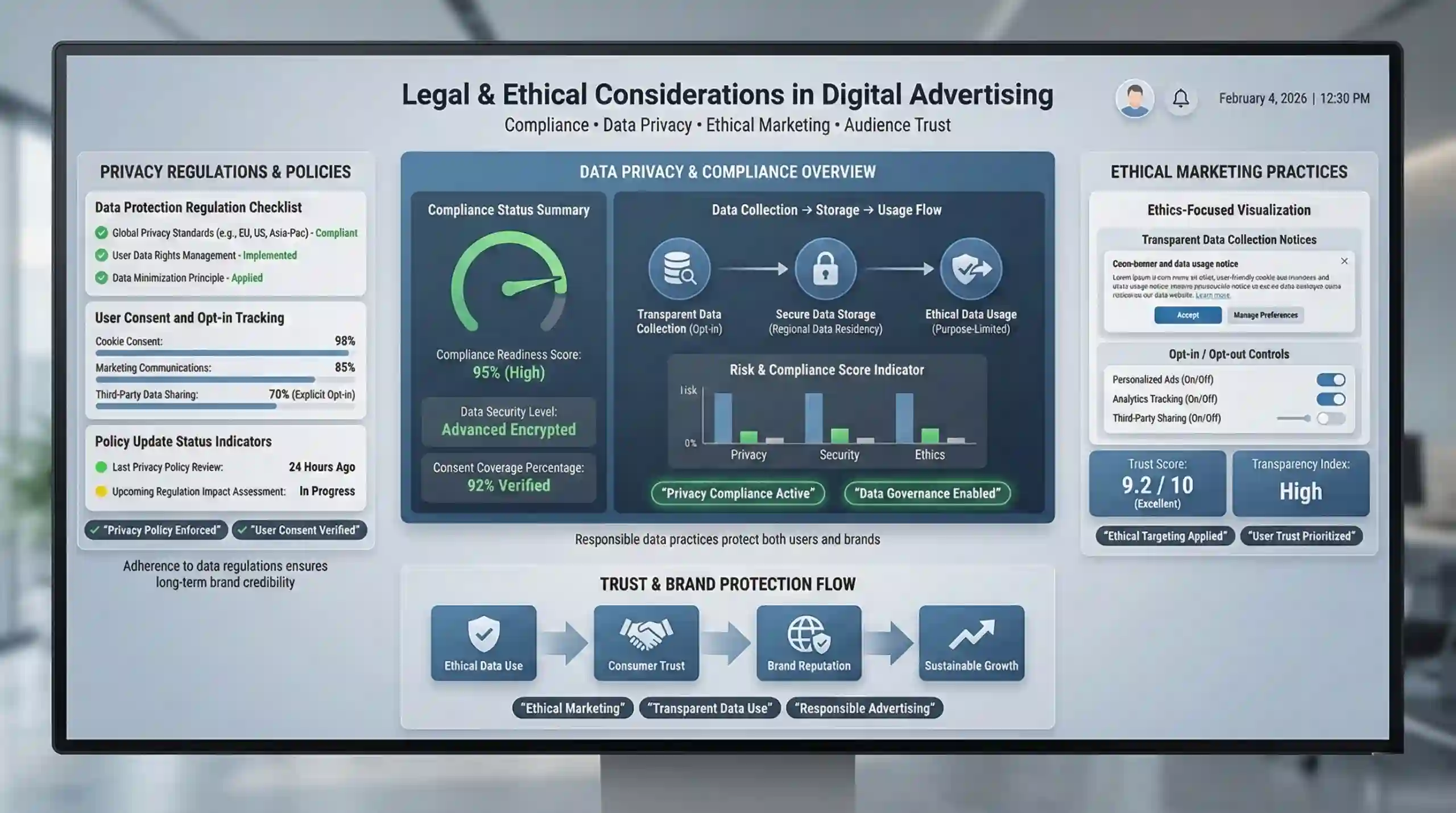
8. Legal & Ethical Considerations
Understanding Privacy Policies, GDPR, and Data Privacy Regulations
Digital marketers must comply with laws like the GDPR (General Data Protection Regulation) and CCPA, which regulate data collection, storage, and usage. Non-compliance can result in legal penalties and brand damage.
Ensuring Ethical Marketing & Transparent Data Collection
Transparency about data collection practices fosters consumer trust. Clear privacy policies, opt-in mechanisms, and respectful data handling are essential, especially when executing highly targeted audience data analysis.
9. Future Trends in Audience Segmentation & Digital Advertising
Exploring Emerging Technologies
Artificial Intelligence (AI) and Machine Learning (ML) are revolutionizing audience segmentation by enabling real-time, dynamic grouping based on predictive analytics. These technologies facilitate personalized experiences that adapt instantly to consumer behavior.
Staying Updated on Voice Search, Personalization, and Hyper-Targeted Campaigns
Voice search is increasing, requiring marketers to optimize content for conversational queries. Hyper-targeted campaigns leverage advanced segmentation capabilities for highly personalized advertising, delivering content tailored to individual consumer journeys.
Summary
Mastering audience segmentation is crucial for optimizing ad campaigns and achieving effective digital marketing results. It involves understanding core segmentation types—demographic, geographic, psychographic, and behavioral—leveraging data collection tools, creating detailed buyer personas, and developing tailored advertising strategies. Continual measurement and ethical considerations ensure campaigns not only deliver high ROI but also uphold consumer trust. Embracing emerging technologies like AI and voice search prepares marketers for future audience segmentation opportunities, leading to more precise and impactful ad campaigns.
Practice Questions
- Define audience segmentation and explain its significance in digital marketing.
- List and briefly describe four types of audience segmentation.
- How does data analytics enhance audience segmentation strategies? Provide an example.
- What are buyer personas, and how do they support personalized marketing?
- Design a mock segmented ad campaign targeting two different audience segments for a travel website.
- Explain how Google Ads can utilize audience lists and lookalike audiences.
- What key performance indicators (KPIs) are essential for measuring segmented campaign success?
- Describe the importance of GDPR compliance in audience data analysis.
- How can AI and machine learning improve real-time audience segmentation?
- Discuss ethical considerations a marketer must keep in mind when collecting consumer data.
Expected Code Output Example (for data analysis simulation):
# Sample code snippet to segment users based on age and purchase history
import pandas as pd

# Sample dataset
data = {
    'UserID': [101, 102, 103, 104],
    'Age': [25, 40, 22, 35],
    'Purchase_History': ['Product A', 'Product B', 'Product A', 'Product C'],
    'Engagement_Score': [80, 60, 90, 50]
}

df = pd.DataFrame(data)

# Segmenting users aged below 30 with high engagement
segment = df[(df['Age'] < 30) & (df['Engagement_Score'] > 70)]
print(segment)
UserID Age Purchase_History Engagement_Score
0 101 25 Product A 80
2 103 22 Product A 90
Additional Study Resources
This study material provides a comprehensive, theoretically grounded framework to understand and implement audience segmentation strategies effectively.
More Courses
- Social Media Marketing course with Gen AI
- Advance Digital Marketing & SEO course with Gen AI
- Advanced Certificate in Digital Design & Marketing course with Gen AI
- Meta & Google Ads course with Gen AI