

1. Introduction to Advertising Targeting Strategies
Digital Marketing Segmentation
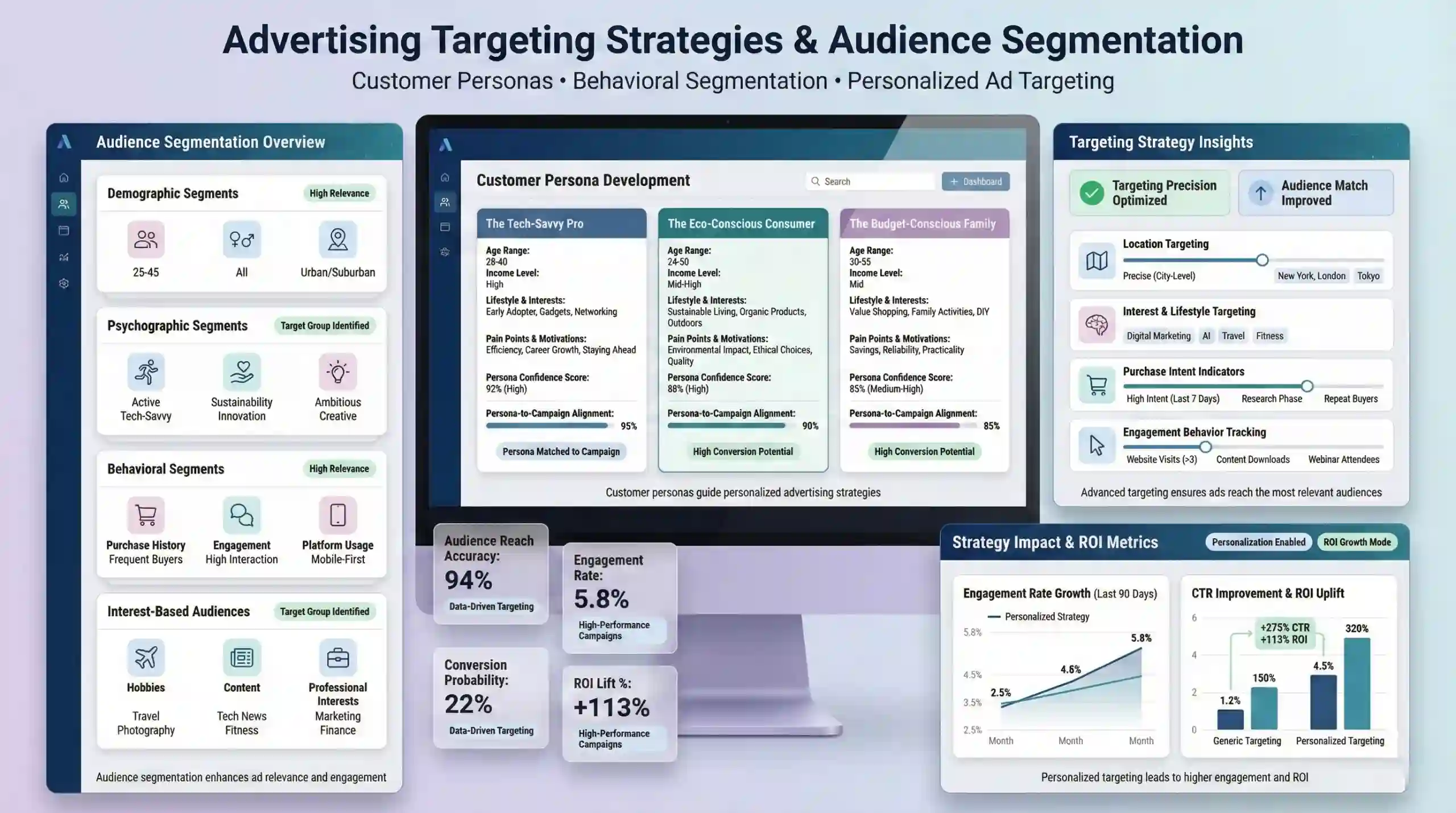
Audience segmentation is the foundation of effective digital advertising. It involves dividing a broad consumer base into smaller, more manageable groups based on shared characteristics. This personalization enhances the relevance of advertising messages, leading to higher engagement rates and improved Return on Investment (ROI). For example, a sports apparel brand targets active young adults aged 18-25 interested in outdoor activities, tailoring ads that resonate with their lifestyle.
Customer Persona Development
Creating detailed customer personas involves analyzing demographic (age, gender, income) and psychographic (lifestyle, values, interests) data to develop archetypal representations of target consumers. These personas help marketers craft targeted campaigns that address specific needs and emotional triggers, thereby increasing campaign effectiveness. For instance, a luxury watch brand might develop a persona representing high-income professionals valuing prestige and craftsmanship.
2. Demographic Targeting in Advertising
Demographic Segmentation
This strategy involves leveraging demographic data such as age, gender, income, education, and occupation to customize advertising efforts. For example, a high-end skincare brand may focus its advertising on women aged 30-45 with higher disposable incomes, crafting messaging that highlights luxury and anti-aging benefits.
Audience Analytics Tools for Demographic Targeting
Tools like Google Analytics and Facebook Audience Insights provide deep insights into audience demographics, enabling precision in ad targeting. These platforms help identify characteristics like age groups, gender ratios, geographic distribution, and income levels, allowing marketers to enhance ad relevance and campaign performance.
Example: Using Facebook Audience Insights, a furniture retailer finds that 70% of their engagement comes from users aged 35-50 in urban areas, enabling them to focus ad spend on these segments.
3. Geographic Targeting for Localized Campaigns
Geotargeting Techniques
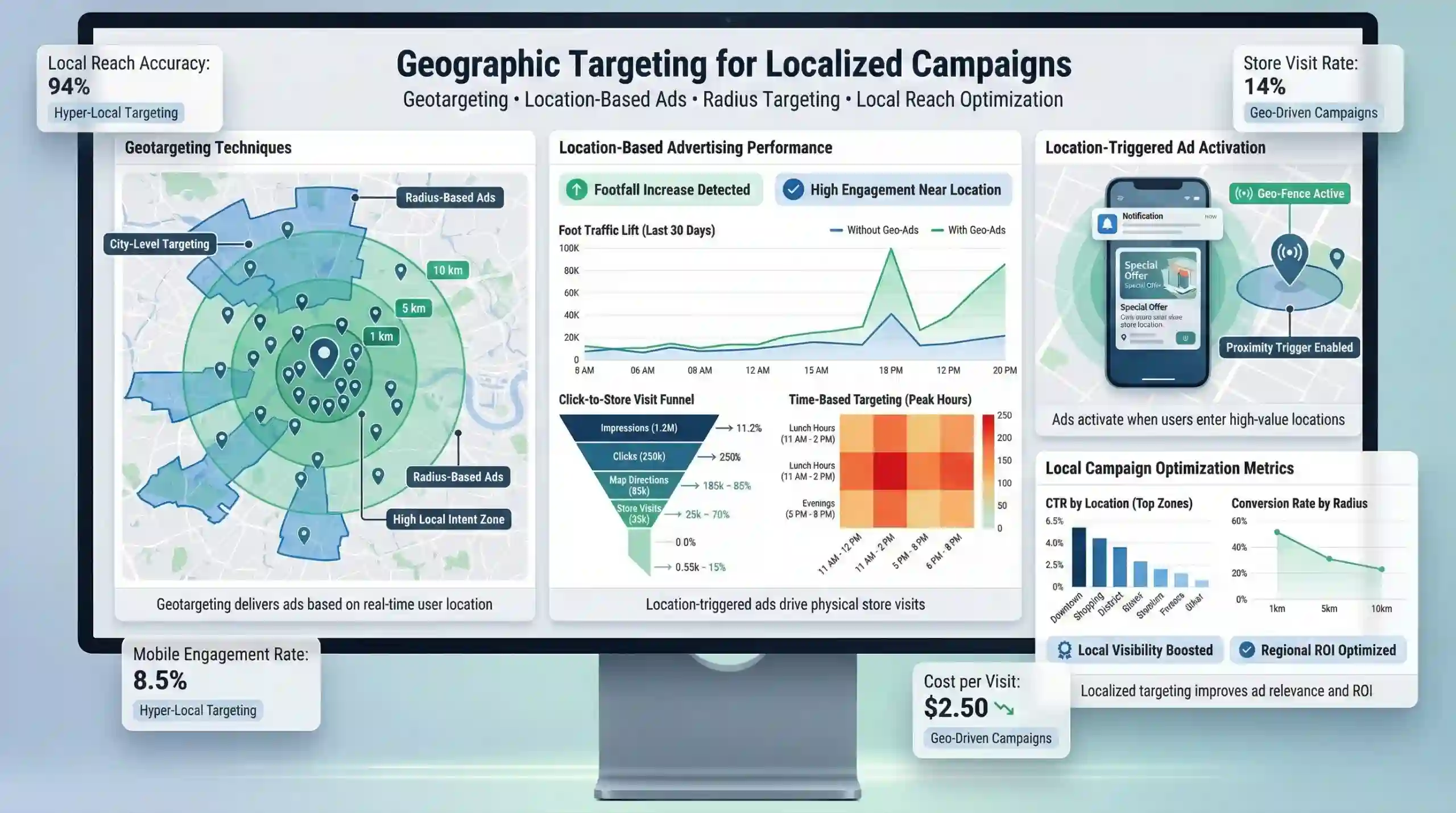
Geotargeting involves using users’ physical location data to deliver geographically relevant ads. Techniques include city-level, regional, or radius-based targeting. For instance, a local restaurant can target users within a 5 km radius during lunch hours to increase foot traffic.
Location-Based Advertising
Location-triggered ads are activated when users enter specific areas, such as city centers or shopping districts. This method boosts local brand visibility and enhances foot traffic to physical stores. For example, a retail store may push special discounts via mobile ads when users approach their location.
4. Behavioral Targeting for User Engagement
Behavioral Data Analysis for Ad Optimization
Analyzing online behaviors—such as browsing history, purchase history, and engagement patterns—provides deep insights into consumer preferences. This data allows for personalized ad delivery aligned with user intent, increasing likelihood of conversions.
Programmatic Advertising for Behavioral Targeting
Programmatic platforms automate ad buying based on real-time user behavior data, facilitating highly personalized advertising experiences. This enhances customer engagement and improves conversion rates by presenting relevant ads precisely when users are most receptive.
Example: An e-commerce site uses programmatic buying to show tailored product ads to users who recently viewed or abandoned shopping carts, increasing sales.
5. Contextual Advertising for Relevance
Contextual Targeting Techniques
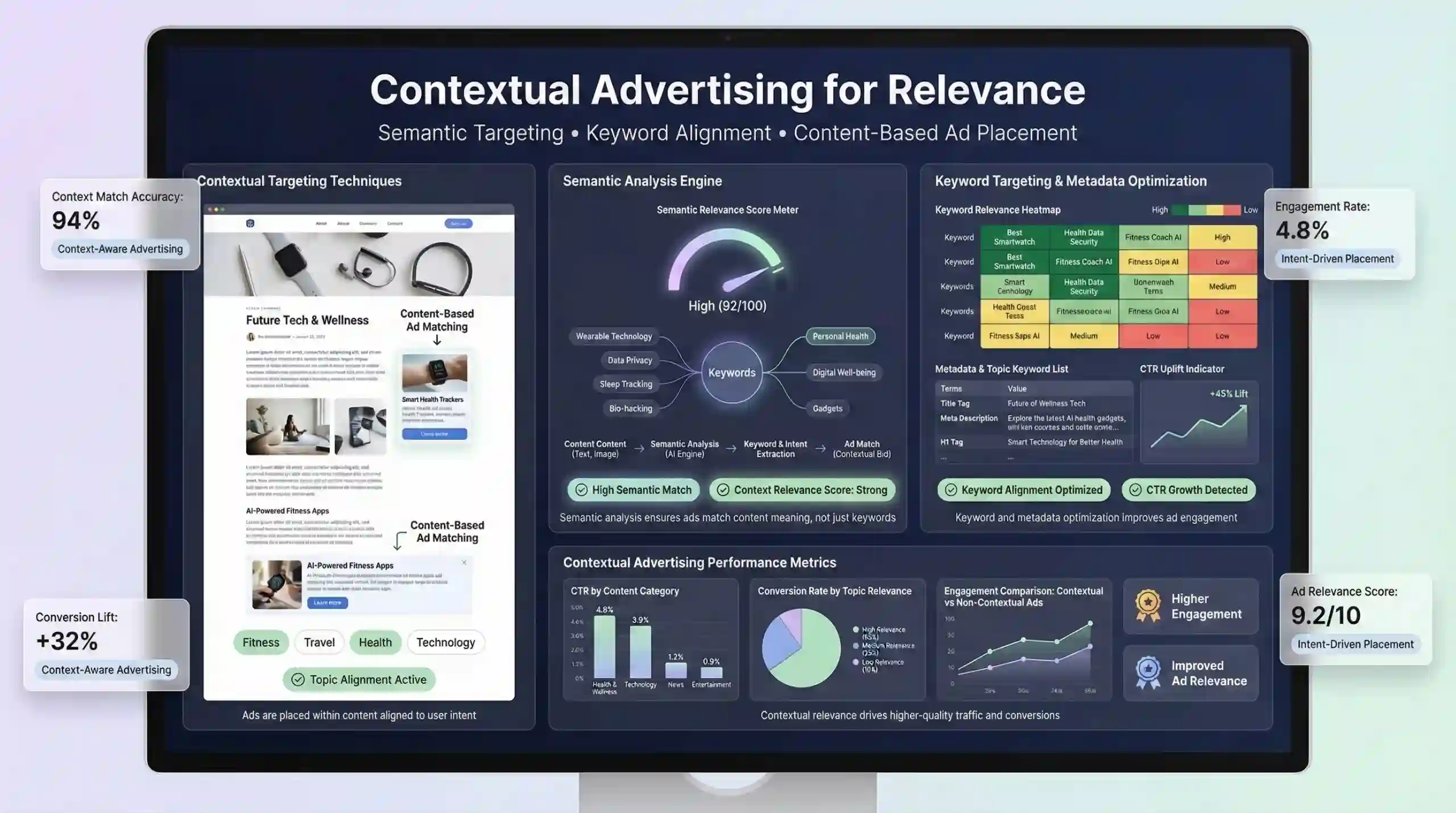
This approach involves placing ads within content that aligns with the user’s current interests or context. For example, a hiking gear advertisement appearing alongside outdoor adventure articles offers a seamless and relevant experience.
Semantic Analysis and Keyword Targeting
Semantic analysis tools interpret the meaning of content to ensure ads are served on relevant pages. Keyword optimization involves using targeted keywords within content or metadata to align ads with specific topics, thereby increasing ad relevance and click-through rates (CTR).
6. Interest-Based Targeting for Niche Audiences
Interest Segmentation Strategies
Interest-based targeting categorizes users based on hobbies, lifestyles, or affinities such as fitness, technology, or travel. This segmentation allows marketers to create hyper-targeted campaigns that speak directly to consumer passions.
Interest Graphs and Programmatic Interest Targeting
Interest graphs map consumer interests across platforms, providing insights into their online behavior. Using programmatic interest-based advertising, brands reach highly engaged audiences with tailored messages, boosting customer engagement and loyalty.
Example: An online gaming platform targets users interested in esports through interest graph data, offering game recommendations and exclusive content.
7. Psychographic Targeting for Emotional Appeal
Psychographic Profiling and Insights
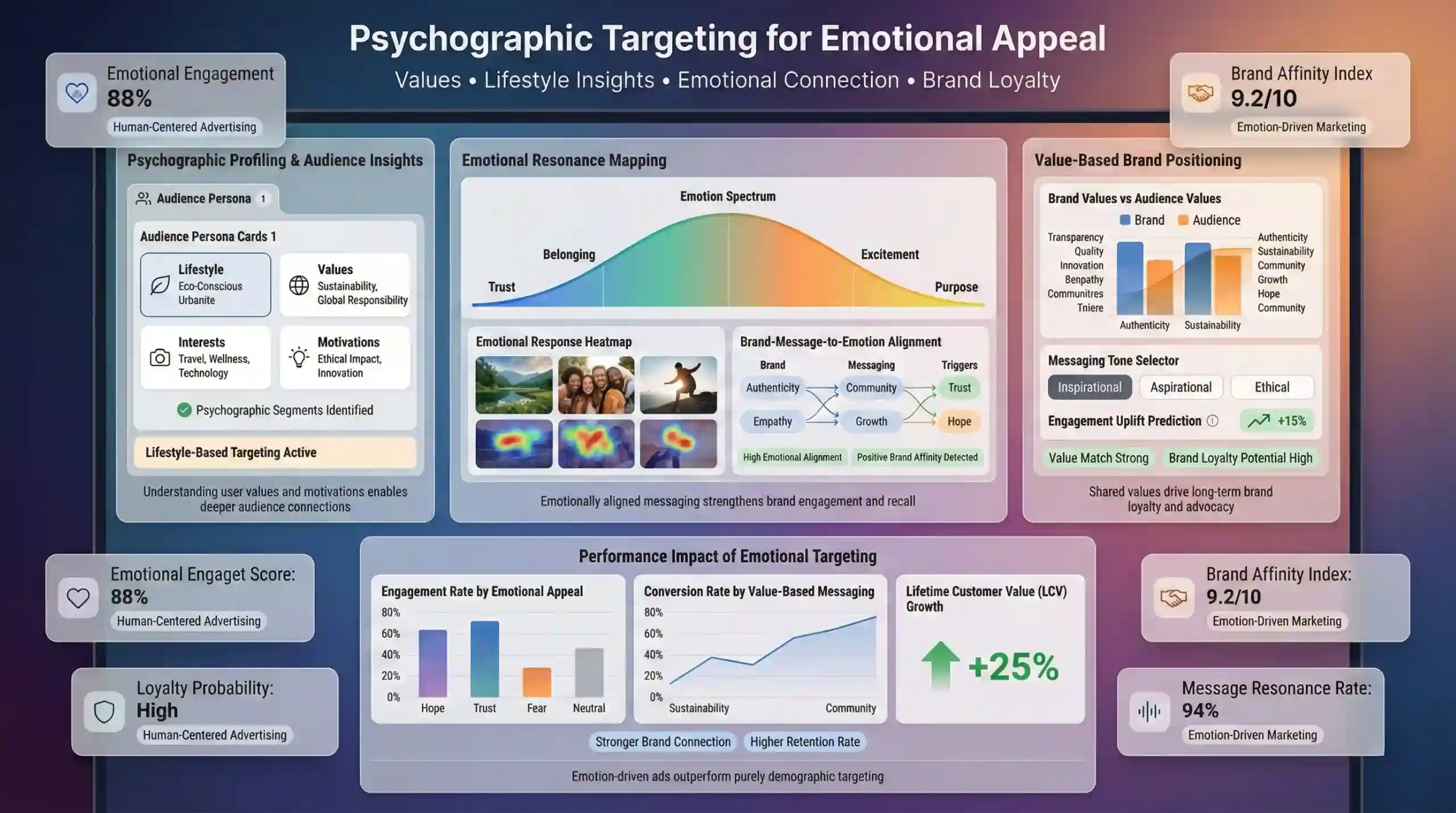
This method dives deeper beyond demographics to understand users’ lifestyles, values, personality traits, and motivations. Such insights inform creative strategies that evoke emotional responses, fostering deeper connections with the brand.
Emotionally Resonant Ads & Brand Positioning
Crafting ads that emotionally resonate increases brand loyalty and advocacy. For instance, an eco-friendly brand emphasizing sustainability and shared values appeals to consumers driven by environmental concern.
8. Integration and Optimization of Advertising Targeting
Multi-Channel Targeting Integration
Combining demographic, geographic, behavioral, contextual, interest, and psychographic targeting ensures comprehensive reach. Multi-channel strategies—across social media, search engines, and programmatic platforms—maximize exposure and effectiveness.
A/B Testing and Data-Driven Optimization
Continuous optimization involves testing different ad variations (A/B testing), tracking conversions, and analyzing data insights. This iterative process helps identify top-performing strategies, refine messaging, and maximize ad ROI across all channels.
Practice Questions
- Explain how audience segmentation improves digital advertising ROI. Provide an example of segmentation in practice.
- Describe how demographic data can be used to tailor marketing messages. Give a real-world example.
- What are the benefits of using geotargeting in local advertising campaigns? Illustrate with an example.
- How does programmatic advertising utilize behavioral data to enhance user engagement? Include a brief explanation of its process.
- Define contextual advertising and explain how semantic analysis improves ad relevance.
- Discuss interest-based targeting and its impact on niche audiences. Provide an example.
- How does psychographic profiling differ from demographic profiling? Why is it important for brand positioning?
- Describe the advantages of integrating multiple advertising targeting types into a single campaign.
- What role does A/B testing play in optimizing advertising effectiveness? Provide an example.
- Design a hypothetical advertising campaign using at least three different targeting strategies and justify your choices.
Sample Output Code with Explanation
python
# Example: Using Facebook Ads API to narrow audience by demographics
import facebook

# Access token for API access
access_token = 'YOUR_ACCESS_TOKEN'
graph = facebook.GraphAPI(access_token)

# Define target demographics
target_demographics = {
    'age_min': 25,
    'age_max': 45,
    'gender': 'female',
    'geo_locations': {'cities': ['New York', 'Los Angeles']}
}

# This code illustrates setting parameters for demographic targeting on a social media platform.
Resources for Further Study
Final Note: Mastery of the 7 types of advertising targeting enhances strategic decision-making and campaign success in the digital marketing landscape. Understanding and leveraging these targeting strategies lead to highly effective advertising that connects with audiences on multiple levels, driving measurable business results.
More Courses
- Social Media Marketing course with Gen AI
- Advance Digital Marketing & SEO course with Gen AI
- Advanced Certificate in Digital Design & Marketing course with Gen AI
- Meta & Google Ads course with Gen AI