

Introduction
When global athletic brands enter the Indian market, they face a unique set of challenges and opportunities. Adidas, which made its entry in 1995, is a masterclass in how to not just enter but conquer this market. In a price-conscious nation with its own distinct culture, the German sportswear giant has successfully positioned itself as a premium, aspirational brand. This success is fueled by a growing fitness consciousness and rising disposable incomes, but more importantly, by a marketing strategy that deeply understands and respects the Indian consumer.
Interestingly, the brand’s history is one of family rivalry. Adidas was founded by Adolf Dassler after a split with his brother, Rudolf, who went on to create one of its biggest competitors: Puma!
Digital Marketing & SEO Strategy
Adidas India employs a sophisticated, multi-channel digital strategy focused on building brand aspiration and ensuring widespread accessibility.
- SEO (Search Engine Optimization): An analysis of Adidas India’s website data from April 2024 reveals a brand with immense pull. A staggering 90.22% of its traffic comes from mobile devices, highlighting the critical importance of a mobile-first strategy in India. However, the data also shows an average visit duration of under one minute. For marketing students, this is a crucial insight: while the brand successfully attracts visitors, there is a significant opportunity to improve the mobile user experience (UX) to increase engagement, session duration, and ultimately, conversions.

- Social Media Marketing: With 700K followers on Instagram, Adidas India uses the platform primarily for high-quality product showcases and brand building. Their content mix includes:
- Product Launches: Creating buzz around new products, such as the highly anticipated jerseys for the Indian cricket team.
- Celebrity & Athlete Endorsements: Leveraging their high-profile partnerships to enhance credibility and aspiration.
- Influencer Collaborations: Partnering with relevant influencers to drive engagement on specific campaigns.
While effective for building an aspirational image, their strategy is heavily product-centric. There is a potential opportunity to foster a more engaged community by incorporating more user-centric content.
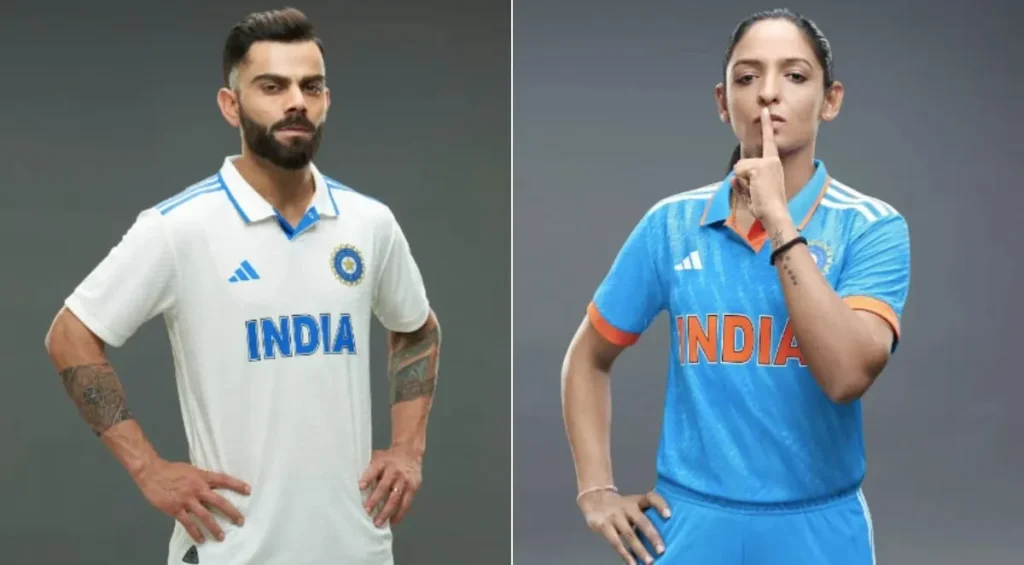
- Content Marketing: Adidas’s content is woven into its brand storytelling. Their global tagline, “Impossible is Nothing,” is localized through stories of Indian athletes overcoming challenges. The content is not just about selling a shoe; it’s about selling the aspiration of performance, style, and achievement that the shoe represents.
STP Analysis
- Segmentation: Adidas has expertly segmented the diverse Indian market:
- Psychographic: They target distinct consumer mindsets:
- The Cricket Fanatic: Tapping into the nation’s biggest passion with cricket-specific gear and endorsements.
- The Aspiring Athlete: Catering to the growing fitness culture with performance wear for running and training.
- The Fashion-Conscious Individual: Riding the wave of athleisure with stylish sportswear that doubles as casual wear.
- Behavioral: They also segment based on purchasing behavior, targeting the Value-Conscious Consumer who may wait for discounts on e-commerce platforms like Myntra and Flipkart.
- Demographic: They primarily target the growing urban middle class with increasing disposable income, across a wide age range.
- Psychographic: They target distinct consumer mindsets:
- Targeting: Adidas employs a multi-segment targeting strategy, creating specific products and marketing campaigns for each of the personas identified above. They don’t just sell sportswear; they sell a specific identity to each consumer group—the dedicated fan, the serious runner, the style icon.
- Positioning: Adidas has positioned itself as a brand that offers a perfect balance of high performance, functionality, and cultural relevance. While competitors might focus more heavily on pure technology, Adidas emphasizes features like comfort and breathability (using technologies like Climacool), which are highly practical for the Indian climate. Their key differentiator is their deep cultural connection, especially through cricket.
The 4 Ps of Marketing
- Product: Adidas’s product strategy in India is a brilliant blend of global innovation and local adaptation. They offer their international range of performance footwear and apparel but place a massive emphasis on a cricket-specific portfolio, including jerseys, high-performance spikes, and equipment. This product localization is a cornerstone of their success.
- Price: Recognizing India’s price sensitivity, Adidas employs a tiered pricing strategy. They offer premium, high-performance products for serious athletes and affluent consumers, but also maintain a strong presence in the mid-tier segment to cater to the aspirational middle class.
- Place: Adidas has a robust omnichannel distribution strategy:
- Offline: A strong retail footprint with around 450 stores across India, including a massive four-story, 5,900 sq ft flagship store in New Delhi that offers an immersive digital experience.
- Online: A dedicated D2C website (adidas.co.in) and strategic partnerships with major e-commerce platforms like Myntra and Flipkart, which expands their reach and allows them to participate in major online sales events.
- Promotion: Their promotional mix is built on high-visibility partnerships and an aspirational message:
- Athlete Endorsements: Leveraging the god-like status of cricketers in India.
- Global Tagline, Local Stories: Using “Impossible is Nothing” as a platform to showcase inspiring Indian athletes.
- Digital Campaigns: Targeted social media and search engine marketing.

Influencer Marketing & Collaborations
- Strategy: Adidas’s primary influencer strategy in India is to collaborate with the biggest and most credible names in sports, particularly cricket. This is about associating the brand with excellence, national pride, and peak performance.
- Types of Influencers & Campaigns: They partner with national icons and top-tier athletes like Rohit Sharma. These are not just influencers; they are role models for millions.
- Goal of Collaborations: The goal is to cement Adidas’s authenticity and leadership in the sports domain. When the captain of the Indian cricket team wears their gear, it sends a powerful message of quality and performance, resonating deeply with the massive cricket fanbase and elevating the brand’s status.

Challenges & Competition
- Challenges:
- Intense Competition: The market is a battleground with global rivals like Nike and Puma, alongside a growing number of budget-friendly domestic brands.
- Counterfeit Products: The prevalence of fake goods can damage brand equity and lead to lost sales.
- Price Sensitivity: Despite growing incomes, a large segment of the market remains highly price-sensitive, making it a constant challenge to balance premium positioning with affordability.
- Competition:
- Global Rivals: Nike and Puma are the primary competitors, each with its own distinct brand positioning and marketing strategy.
- Domestic Brands: A growing number of Indian brands are offering sportswear at more competitive price points.
- Fashion Brands: With the rise of athleisure, Adidas also competes with fast-fashion brands that offer sports-inspired clothing.
All trademarks, logos, videos, and images are the property of their respective owners. Their use in this educational case study is for commentary and illustrative purposes, and does not imply any ownership or endorsement.


Connect With Us
Follow us for updates on our latest courses and events!