
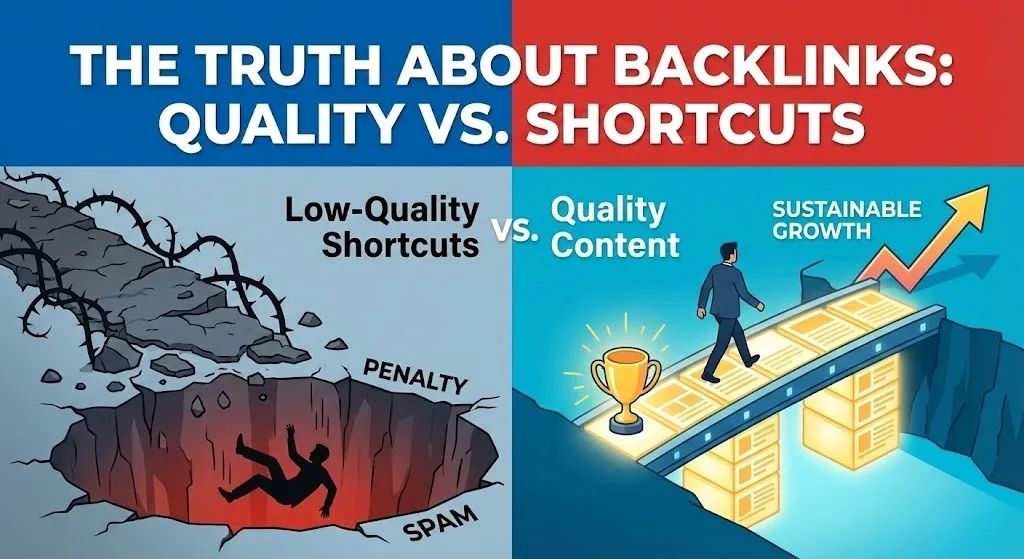
In the rush to build backlinks, many website owners and marketers create low-quality posts whose only purpose is to drop a link. These posts do not provide real value, do not help readers, and exist only to manipulate search rankings. While they may seem like a quick SEO shortcut, the reality is very different. Low-quality backlink posts can damage your website, hurt your rankings, and negatively affect your online credibility — something clearly explained in every Complete SEO course.
That is why this topic is explained very clearly inside every SEO training institute, studied deeply in a Complete SEO course, highlighted strongly in a Professional SEO course, practiced in a Digital marketing training institute, and covered in every SEO certification course. But even if you are not currently learning from any institute, this blog will help you clearly understand why such posts are dangerous and how to avoid them.
⭐ What Are Low-Quality Posts Created Only for Backlinks?
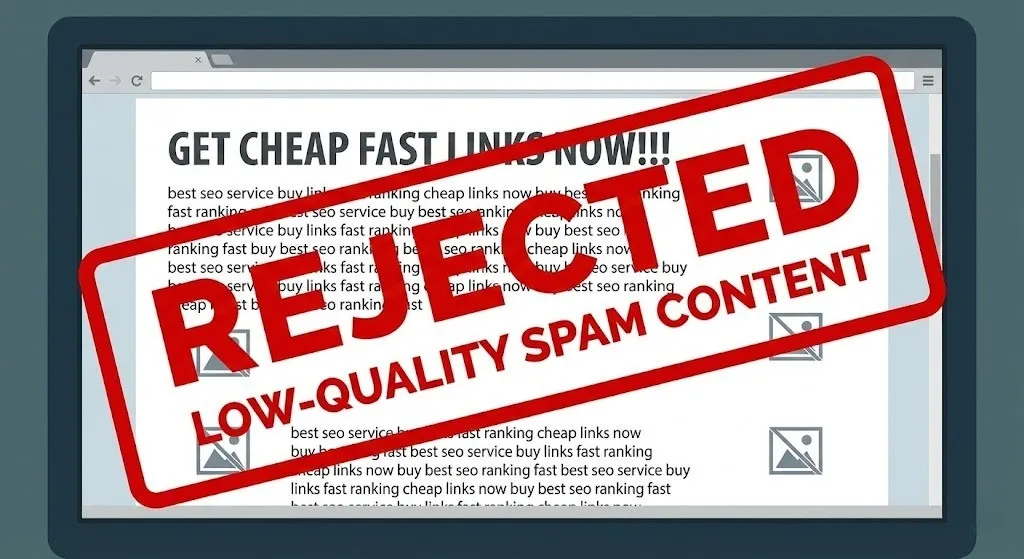
Low-quality backlink posts are articles, blogs, or content pieces created just to place a link, not to provide information. They usually have weak structure, poor content, and no real purpose except link placement.
Such posts are usually:
- Poorly written
- Repetitive
- Unclear or meaningless
- Stuffed with keywords
- Irrelevant to readers
- Lacking useful information
They do not help users. They only aim to manipulate search engines.
🔍 Why Do People Still Create These Posts?
People fall into this trap because they believe:
- “Any backlink is good.”
- “More links automatically improve ranking.”
- “Fast SEO is better than slow growth.”
However, search engines are smarter than these tricks. They can easily identify low-quality content and manipulative backlink activities. That is why structured learning, such as in a SEO training institute, helps professionals understand the real truth behind quality SEO.
⚠️ How Low-Quality Backlink Posts Can Harm Your SEO
Low-quality backlink content is risky and can create serious long-term damage if ignored.
Here’s how:
✔ It Reduces Trust
When your backlinks come from weak, spammy, or irrelevant posts, search engines do not trust your website. Trust is one of the biggest ranking factors, and low-quality backlinks weaken it.
✔ It Can Lead to Penalties
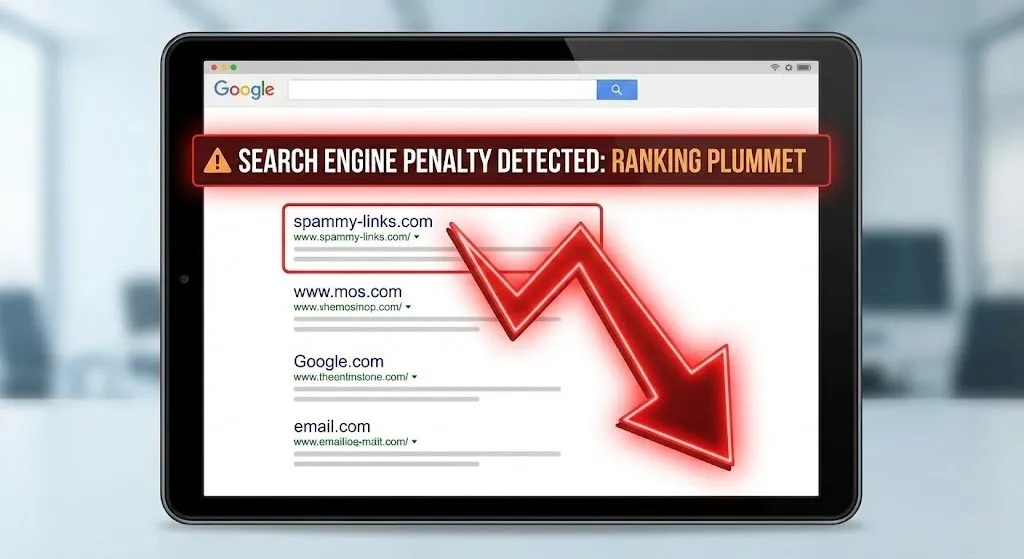
Search engines strictly discourage manipulative SEO practices. If too many of your links come from poor-quality content, your site may face ranking drops or penalties. Recovering from these is difficult.
✔ It Damages Brand Image
Your website becomes associated with spammy platforms. Instead of gaining respect, your brand loses credibility. This is the opposite of what SEO is meant to do.
These real impacts are discussed in detail during learning in a Complete SEO course and Professional SEO course.
🌍 Real-Life Example 1: Website That Suffered Due to Weak Content Links
A website owner hired a cheap service that promised “hundreds of backlinks fast.” Most of these came from low-quality, meaningless blog posts. Initially, there was a small improvement, but soon search engines identified these links as spam.
Results:
- Rankings dropped
- Traffic declined
- Recovery took months
This showed them why low-quality posts are dangerous.
🧠 What Does Good Backlink Content Look Like?
The opposite of low-quality content is meaningful, valuable, well-structured content. Good backlink content actually benefits readers, making the backlink natural and trustworthy.
Good backlink content:
- Provides real information
- Is relevant to the topic
- Is written clearly and professionally
- Offers insights or solutions
- Adds value to the platform where it is published
This standard is strongly emphasized in every Digital marketing training institute.

📚 How to Avoid Low-Quality Backlink Posts
Avoiding weak content is simple when you focus on quality and ethics. Here’s how you can do it:
✔ Prioritize Value Over Link Placement
Write content that truly helps people. The backlink should feel natural, not forced. Useful content automatically makes your backlink meaningful.
✔ Choose Relevant Platforms
Publish on websites that are related to your niche, trusted by users, and respected by search engines. Relevance increases link strength and keeps your SEO safe.
✔ Maintain Quality Standards
Ensure your content has:
- Clear structure
- Depth and clarity
- Correct information
- Readable language
Strong content earns strong trust.
✔ Avoid Cheap Link-Building Services
If someone promises dozens or hundreds of backlinks instantly, that is a warning sign. Such services usually rely on low-quality content and spam.
This awareness is one of the most important lessons taught during an SEO certification course.
🌟 Real-Life Example 2: Brand That Chose Quality Over Shortcuts
A business ignored offers for quick backlinks and instead focused on writing informative content and publishing on respected platforms. As a result:
- They earned genuine backlinks
- Their rankings improved steadily
- Their brand credibility grew
Quality helped them achieve real success.
🔁 Keep Monitoring Your Backlink Content
Even if you avoid low-quality posts now, always review where your backlinks are coming from. Regular monitoring helps protect your SEO health.
Check:
- Link relevance
- Content quality
- Website trust level
Strong SEO means strong awareness.
✅ Final Thoughts
Low-quality posts created only for backlinks may look like shortcuts, but they can damage your SEO, credibility, and long-term growth. Real success comes from quality, not shortcuts.
When you:
✔ Focus on useful content
✔ Prioritize relevance
✔ Build trust
✔ Avoid spam tactics
✔ Think long term
your backlinks benefit your website instead of harming it.Whether you’re learning in a SEO training institute, upgrading skills in a Complete SEO course, gaining expertise through a Professional SEO course, studying in a Digital marketing training institute, or strengthening knowledge in an SEO certification course, understanding the truth about low-quality backlink posts is essential for responsible and successful SEO.
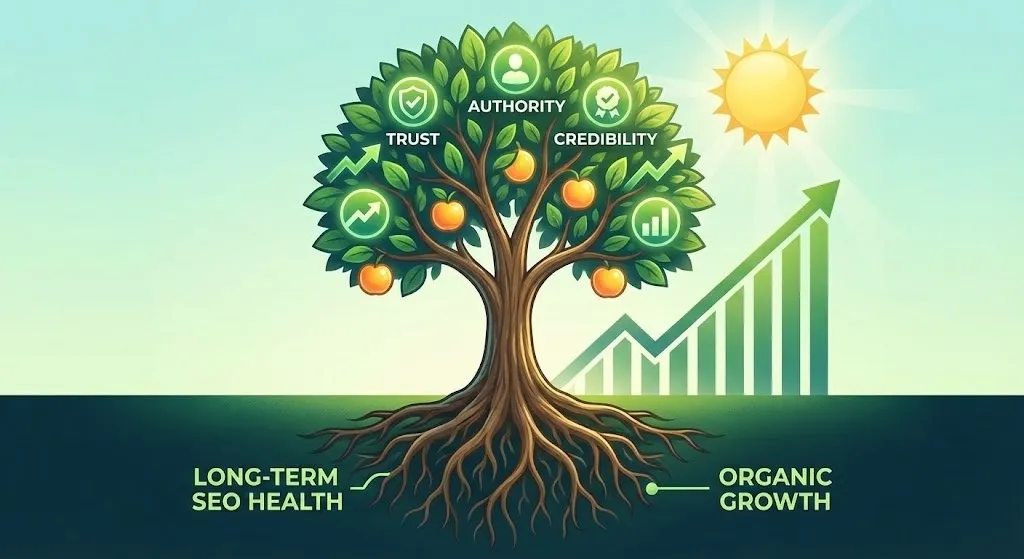
Disclaimer: The images and videos used in this blog are for educational and illustrative purposes only. Some visuals may be generated using AI tools, while others are sourced from publicly available platforms. We do not claim ownership of any third-party images or videos. All rights and credits belong to their respective owners.