
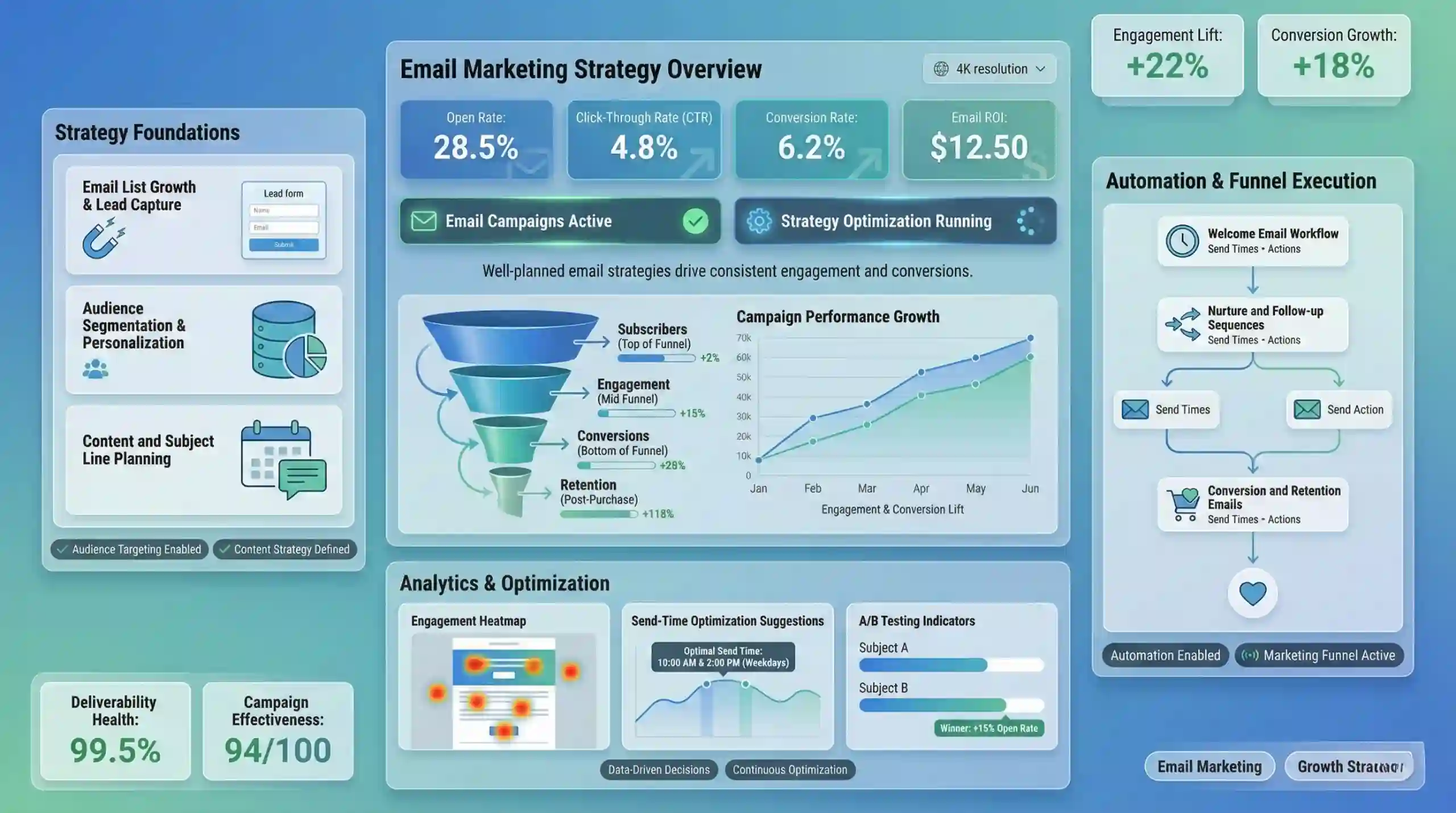
1. Introduction to Email Marketing
Understanding What Email Marketing Is and Its Importance in Digital Marketing
Email marketing is a direct communication strategy that involves sending messages to a targeted audience via email platforms. It serves as a powerful tool for brands to establish personalized relationships, promote products or services, and nurture leads. Effective email campaigns can significantly improve online visibility, enhance customer engagement, and drive sales. In digital marketing, email marketing remains a cornerstone due to its cost-effectiveness and high ROI; businesses can reach thousands of customers with minimal expenditure.
History and Evolution of Email Marketing Campaigns
Initially, email marketing comprised simple bulk email blasts sent to broad audiences, primarily used for advertisements and newsletters. Over time, advancements introduced sophisticated automation, segmentation, and personalization techniques. Modern email marketing employs tools that facilitate automated workflows, real-time analytics, and dynamic content, enabling precise targeting and increased engagement. This evolution reflects the shift from generic messaging to highly targeted, personalized communication strategies.
Key Benefits: High ROI, Personalized Communication, and Customer Engagement
Email marketing offers an impressive return on investment, often surpassing other digital channels. Personalized communication tailored to individual preferences increases relevance and engagement, leading to higher open and click-through rates. Additionally, email campaigns foster ongoing relationships, enhance customer loyalty, and enable direct feedback mechanisms. Metrics like email open rates and click-through rates help measure success and inform continuous improvement.
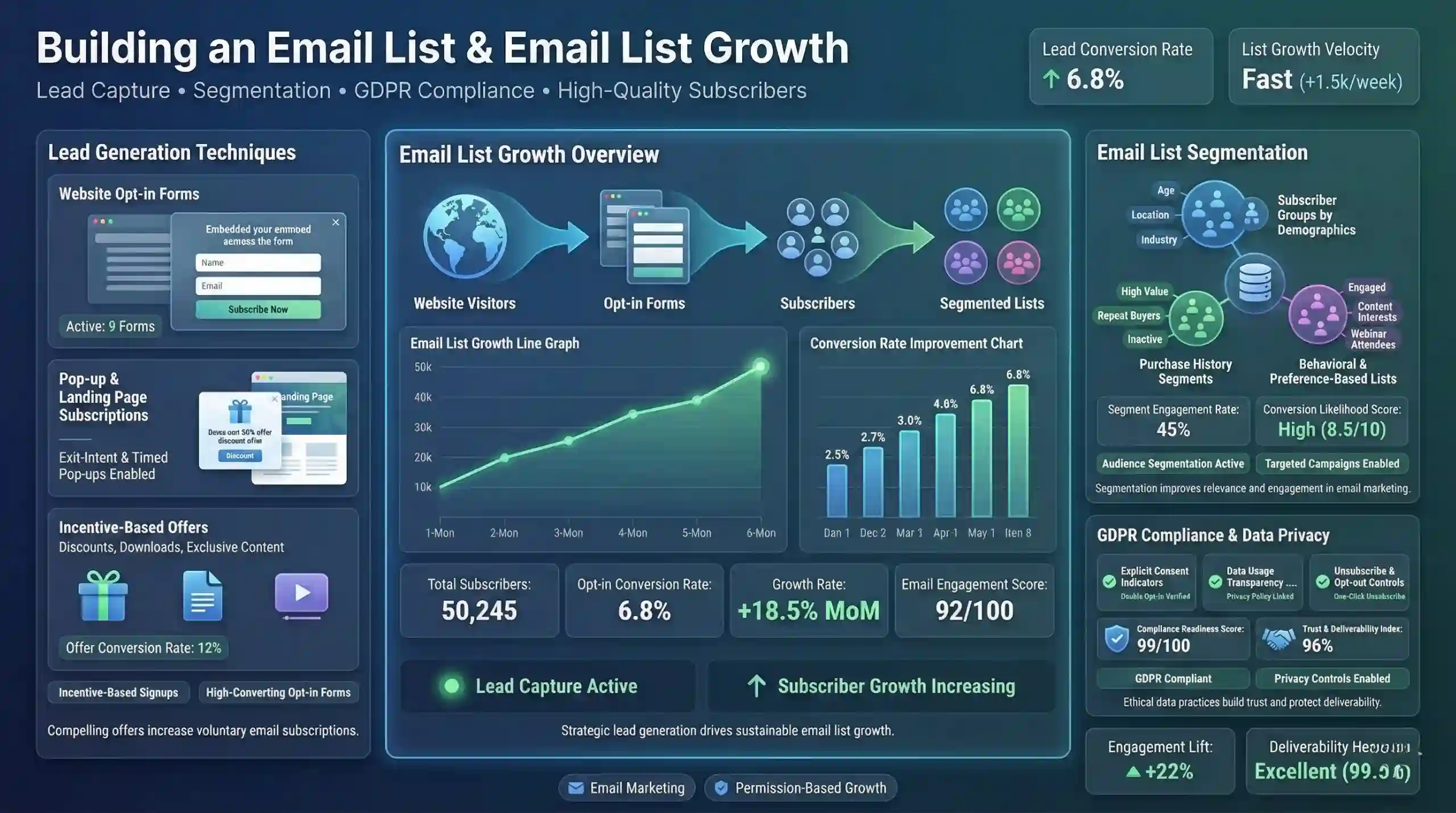
2. Building an Email List (Email List Growth)
Techniques for Lead Generation
Effective email list growth begins with lead generation strategies. Implementing opt-in forms on website landing pages encourages visitors to subscribe voluntarily. Offering incentives such as discounts, downloadable resources, or exclusive content enhances conversion rates. Strategically placing compelling opt-in prompts on blogs, social media, and during checkout processes ensures a steady influx of subscribers.
Example: A retail website offers a 10% discount to users who subscribe via a pop-up form. This incentive increases subscription rates and initiates ongoing communication.
Focus on Email List Segmentation for Targeted Email Marketing
Segmentation divides an email list into smaller groups based on demographics, purchase history, behavior, or preferences. This targeted approach allows marketers to send relevant content, improving engagement. For example, segmenting customers by geographic location enables localized promotions, leading to higher conversion.
GDPR Compliance and Data Privacy Best Practices
Maintaining ethical email list management involves adhering to privacy laws like GDPR. Obtain explicit consent before collecting data, clearly state data usage policies, and provide easy options for opt-out/unsubscribe. Proper data handling assures subscribers’ privacy, enhances trust, and prevents legal penalties, ultimately sustaining email deliverability.
3. Creating Effective Email Campaigns
Design Compelling Email Templates with Responsive Design
Responsive email templates adapt seamlessly across devices (desktops, tablets, smartphones). A well-designed template employs clear layouts, readable fonts, and strategic placement of visuals and CTAs. Responsive design ensures optimal user experience, reduces bounce rates, and augments email deliverability.
Craft Engaging Email Content
High-impact subject lines are crucial; they act as the gateway to your email. Personalization—using recipient names or preferences—boosts relevance. Clear, compelling CTAs direct readers toward desired actions, whether making a purchase or subscribing further. Relevancy in content fosters ongoing engagement.
Different Email Marketing Types
- Newsletters: Regular updates about company news or industry insights.
- Promotional Campaigns: Special offers, discounts, or product launch announcements.
- Transactional Emails: Receipts, order confirmations, or password resets.
- Drip Campaigns: Automated sequences guiding prospects through the sales funnel, nurturing leads over time.
Employing diverse formats addresses different user needs and maximizes ROI.
4. Email Automation and Marketing Funnels
Implementing Email Automation Tools
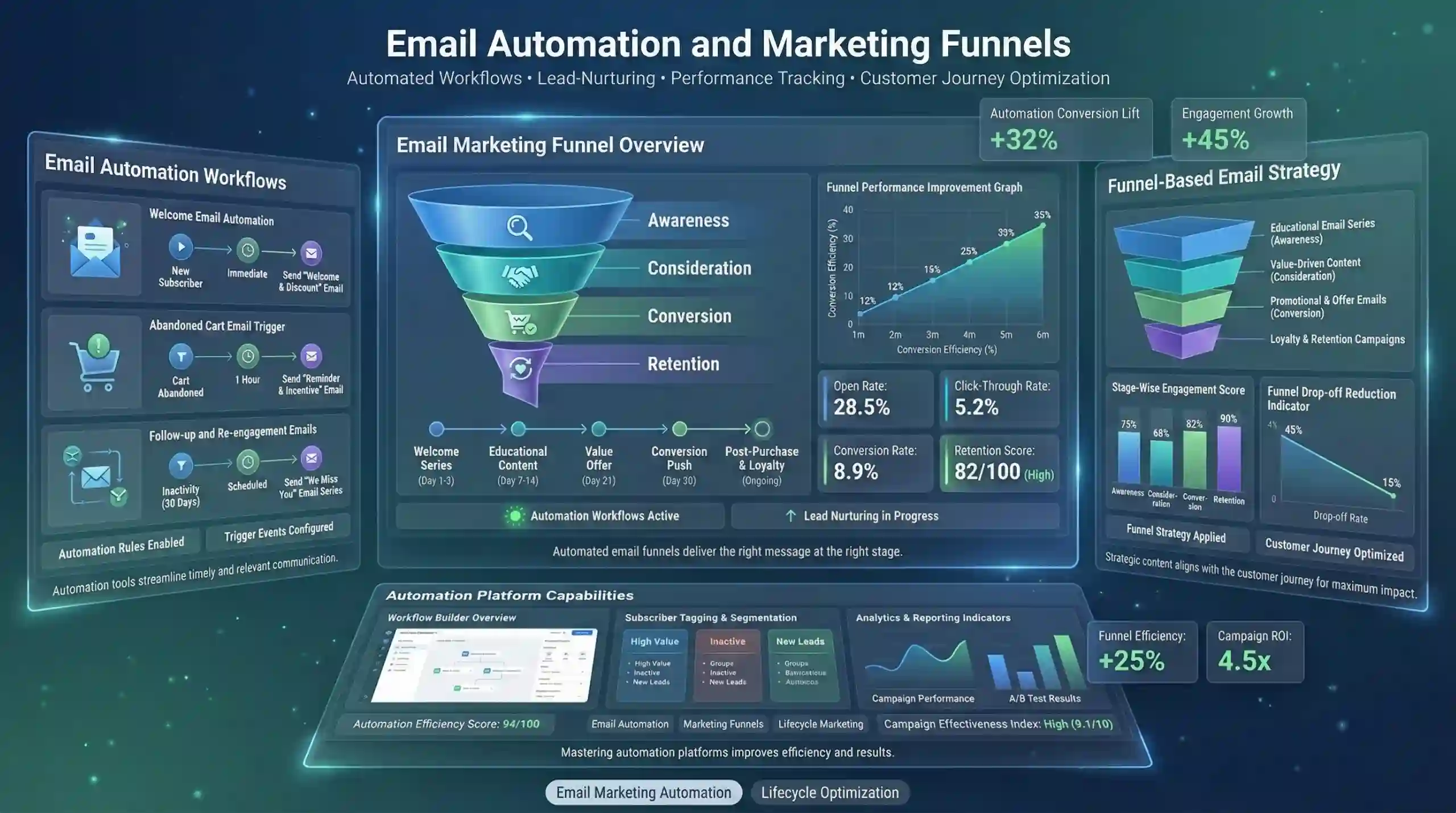
Automation platforms such as Mailchimp, HubSpot, and ActiveCampaign enable setting up predefined workflows. For example, a welcome email sent immediately after sign-up, or abandoned cart emails triggered when a shopper leaves items in their cart. Automation enhances efficiency by delivering timely, relevant messages with minimal manual intervention.
Utilizing Marketing Funnel Strategies
The marketing funnel involves stages: awareness, consideration, conversion, and retention. Automated email sequences tailored to each stage nurture leads, deliver value, and encourage customer loyalty. For instance, a series of educational emails during the awareness phase followed by exclusive offers during the conversion stage.
Studying Email Marketing Automation Platforms
Proficiency in these platforms involves learning their features like automation workflows, tagging, and analytics dashboards. Mastering these tools improves email marketing efficiency and effectiveness.
5. Email Deliverability and Optimization
Techniques to Improve Email Deliverability
To ensure emails reach recipients’ inboxes, marketers should authenticate senders via SPF, DKIM, and DMARC standards, maintain clean mailing lists, and avoid spammy language. Regularly updating lists by removing inactive subscribers prevents your emails from being marked as spam.
A/B Testing
Testing different elements—subject lines, email content, send times—helps identify what resonates best with your audience. For example, an A/B test comparing two subject lines may reveal that a question format yields higher open rates.
Tracking KPIs
Key performance indicators such as open rates, click-through rates, conversions, and unsubscribe rates inform the success of campaigns. Continuous tracking allows for strategic adjustments, optimizing future email marketing efforts.
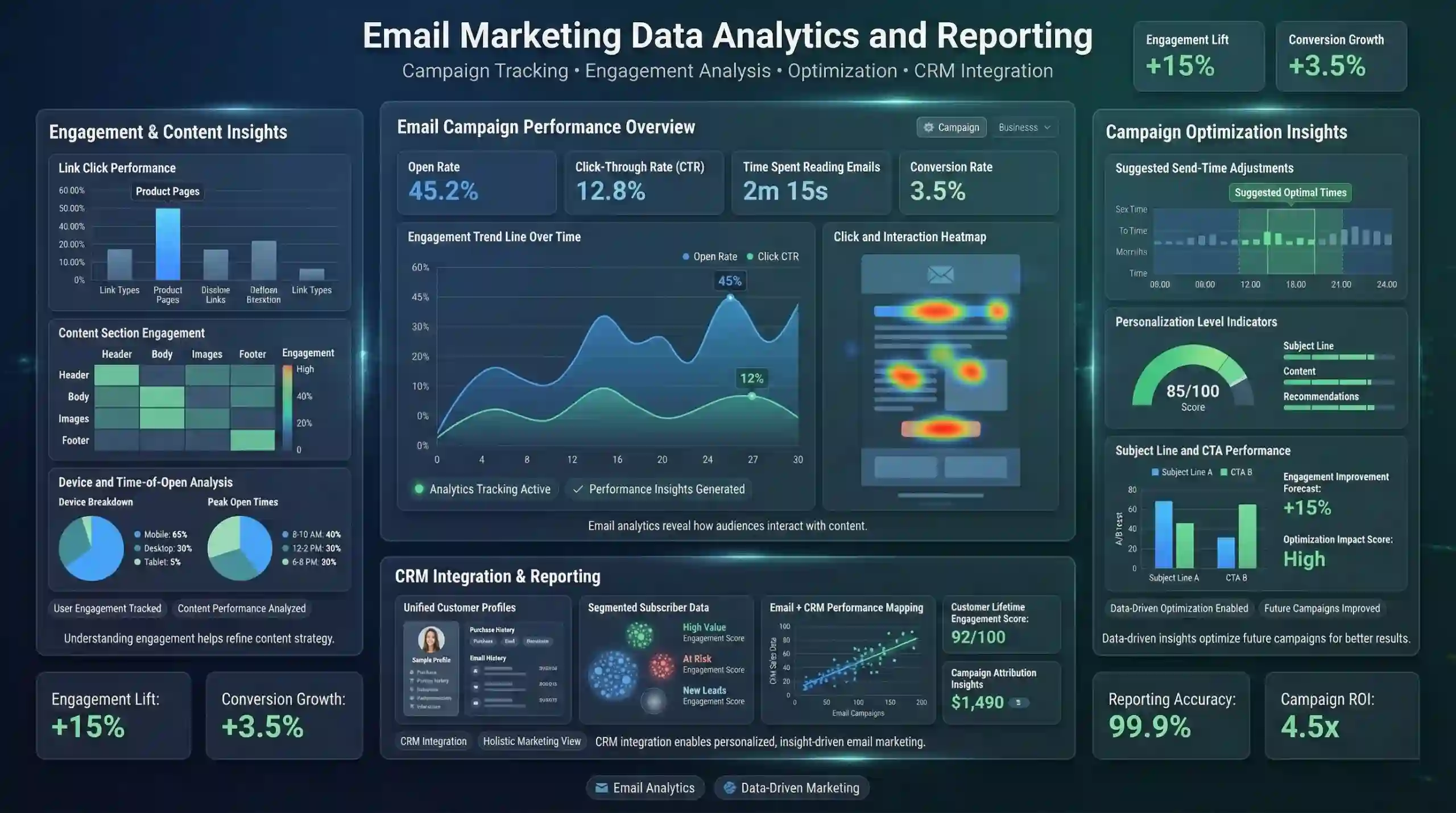
6. Data Analytics and Reporting
Using Email Analytics
Analytics platforms provide insights into user engagement, content performance, and campaign reach. Understanding metrics like time spent reading emails or link clicks guides content refinement.
Optimizing Future Campaigns
Data-driven decisions involve adjusting content, personalization levels, or send times based on analytical insights to improve engagement metrics.
Integrating Email with CRM Systems
Connecting email marketing with CRM tools enables detailed customer segmentation, personalized messaging, and comprehensive performance tracking, fostering a holistic marketing approach.
7. Advanced Email Marketing Tactics
Personalization and Dynamic Content
Advanced personalization uses data such as past purchases or browsing history to tailor email content dynamically. For instance, recommending products similar to previous buys enhances relevance and customer engagement.
Use of AI and Machine Learning
AI-driven segmentation predicts user behavior, identifies high-value prospects, and automates optimized send times, leading to increased ROI and more precise targeting.
Cross-Channel Marketing Integration
Aligning email campaigns with social media, SMS, and other channels creates a cohesive brand experience, increasing overall marketing effectiveness.
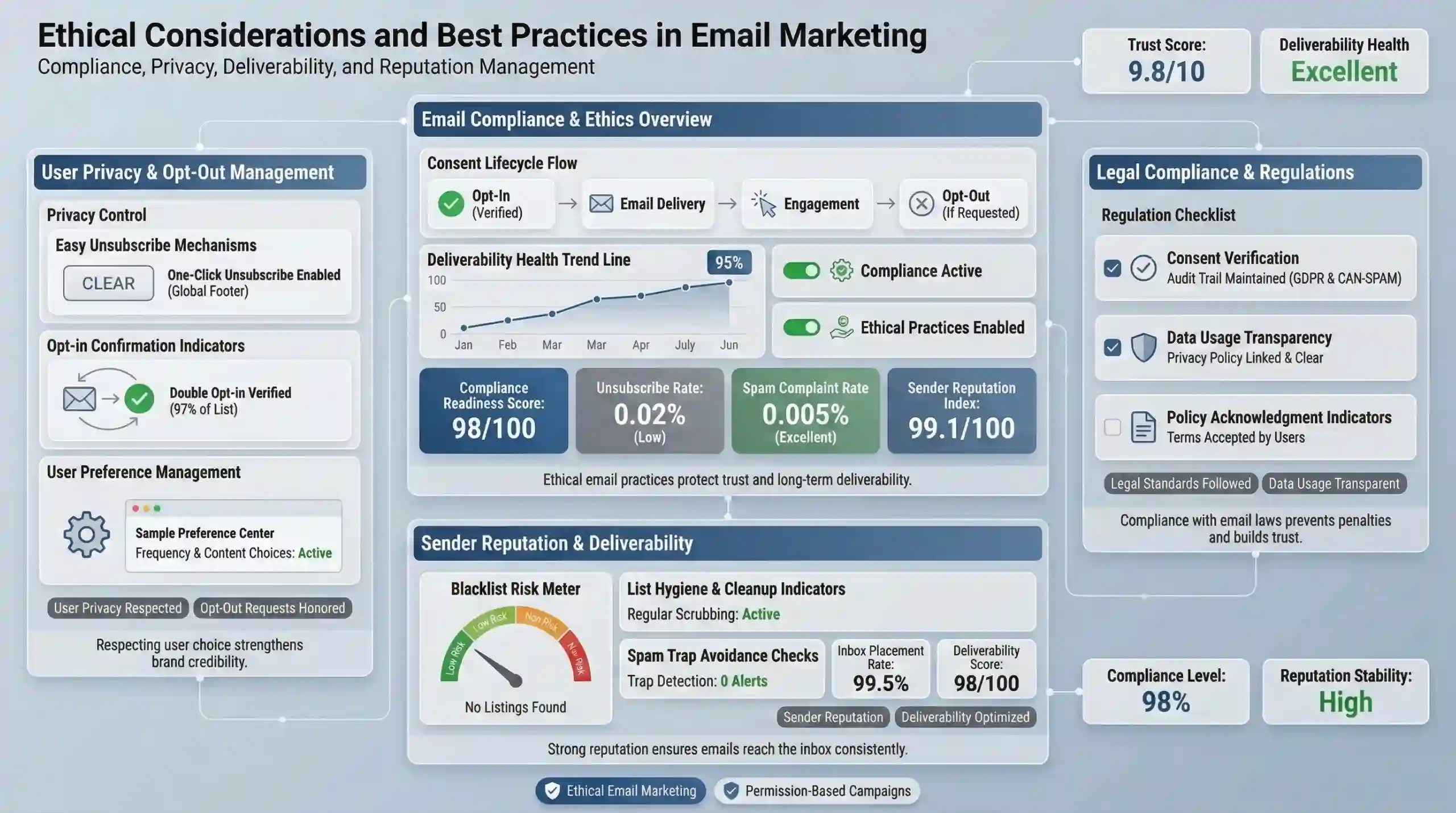
8. Ethical Considerations and Best Practices
Respect for User Privacy and Opt-outs
Always honor unsubscribe requests promptly and allow easy opt-out options. Respecting user privacy maintains a positive sender reputation and ensures compliance.
Following Regulations and Laws
Adhering to GDPR, CAN-SPAM, and other legal standards prevents penalties and fosters trust. This includes clear privacy policies, obtaining explicit consent, and transparency about data use.
Maintaining a Strong Email Reputation
Avoid spam traps and blacklists by following best practices, regularly cleaning the email list, and avoiding deceptive subject lines. A strong sender reputation guarantees sustained email deliverability and campaign success.
Practice Questions
- What is one primary benefit of segmentation in email marketing?
Answer: Segmentation increases relevance, leading to higher engagement rates such as open and click-through rates. - Name two best practices for improving email deliverability.
Answer: Authenticating emails using SPF/DKIM/DMARC and regularly cleaning inactive subscribers from the mailing list. - Explain the role of a call-to-action (CTA) in an email campaign.
Answer: A CTA directs recipients to perform a specific action, such as making a purchase or signing up, thereby increasing conversion rates. - What is a drip campaign?
Answer: An automated sequence of emails sent over time to nurture leads or guide customers through the sales funnel. - Identify one legal regulation that governs email marketing practices.
Answer: GDPR (General Data Protection Regulation), which enforces data privacy and explicit consent. - Provide an example of dynamic content personalization in an email.
Answer: Displaying product recommendations based on a user’s browsing or purchase history. - Why is A/B testing important in email marketing?
Answer: It helps identify the most effective elements (subject lines, timing, content) to optimize engagement. - What is the significance of integrating email marketing with CRM?
Answer: It allows for customer segmentation, personalized messaging, and comprehensive tracking for better marketing insights. - List two advanced email marketing tactics.
Answer: Use of AI and machine learning for predictive targeting and cross-channel marketing integration. - What should you do if a recipient opts out of receiving emails?
Answer: Immediately remove them from your mailing list and respect their preference to maintain ethical standards.
Sample Code Output (for understanding email automation scripting)
Suppose you are using a simple pseudo-code for automation:
if user_subscribes:
    send_welcome_email()
if user_abandons_cart:
    send_cart_reminder_email()
Resources for Further Study
This study material provides a comprehensive, structured overview of email marketing strategies, emphasizing theoretical concepts coupled with practical insights to develop mastery in this vital digital marketing channel.
More Courses
- Social Media Marketing course with Gen AI
- Advance Digital Marketing & SEO course with Gen AI
- Advanced Certificate in Digital Design & Marketing course with Gen AI
- Meta & Google Ads course with Gen AI