1. Understanding Artificial Intelligence Fundamentals
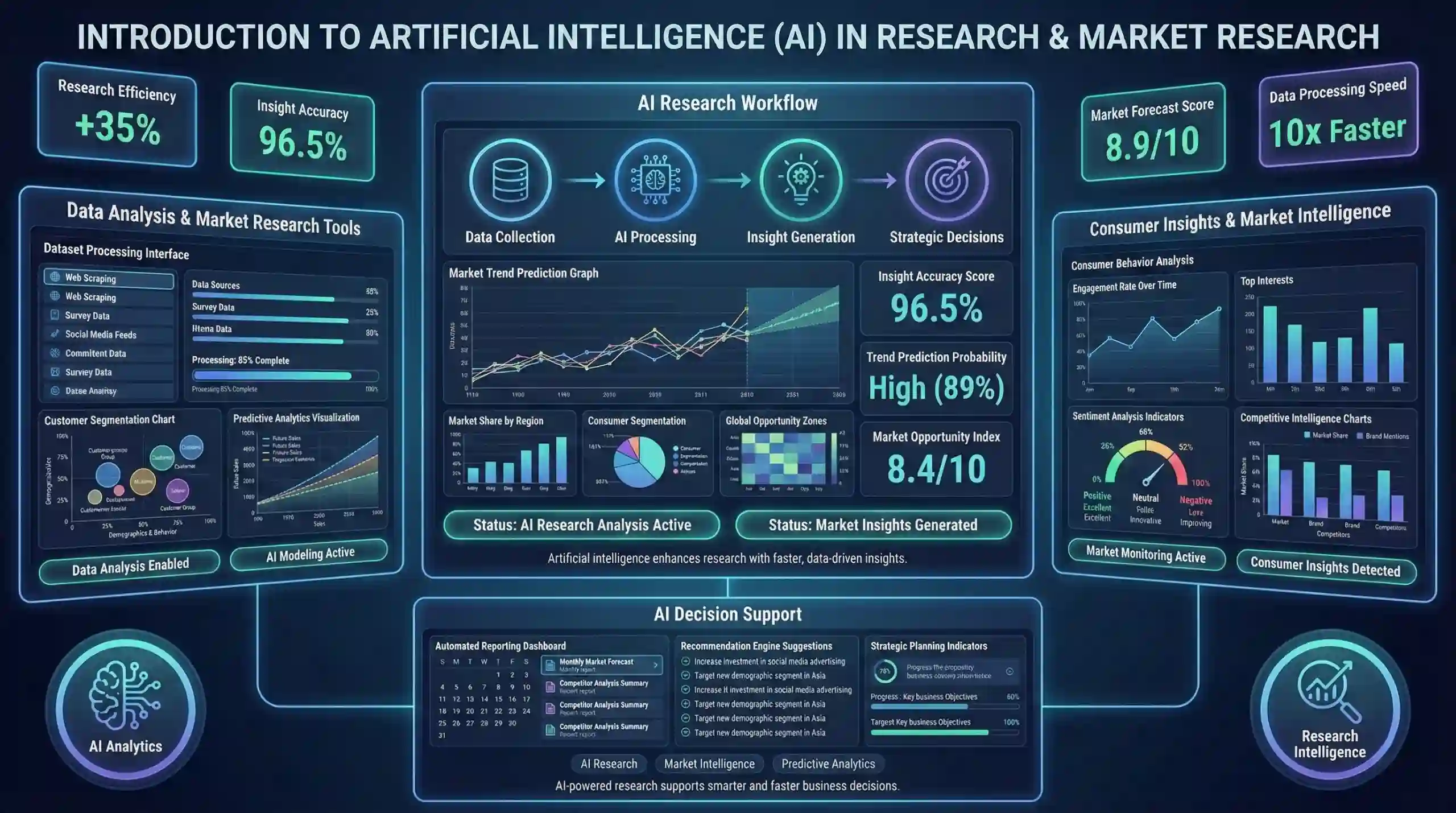
Artificial Intelligence (AI) encompasses a suite of computational techniques designed to enable machines to mimic human intelligence, such as learning, reasoning, problem-solving, and perception. The core components of AI include AI algorithms, machine learning, and deep learning, each progressing in complexity and specificity.
AI Algorithms are rule-based or statistical procedures that process data to perform tasks like classification, prediction, or pattern recognition. Examples include decision trees, k-nearest neighbors, and clustering algorithms.
Machine Learning (ML) is a subset of AI focused on developing models that automatically improve through experience by learning patterns from data. Supervised learning (e.g., regression, classification), unsupervised learning (e.g., clustering, dimensionality reduction), and reinforcement learning (learning via reward signals) form the primary categories.
Deep Learning (DL) is a specialized ML approach utilizing multi-layer neural networks to model complex data representations, especially effective in analyzing unstructured data like images, text, and speech.
In research methodologies and market intelligence, AI transforms traditional data analysis, enabling real-time insights, predictive modeling, and consumer behavior understanding. For example, using ML models to forecast market demand enhances strategic decision-making.
2. Relevance of AI in Market Research & Business Intelligence
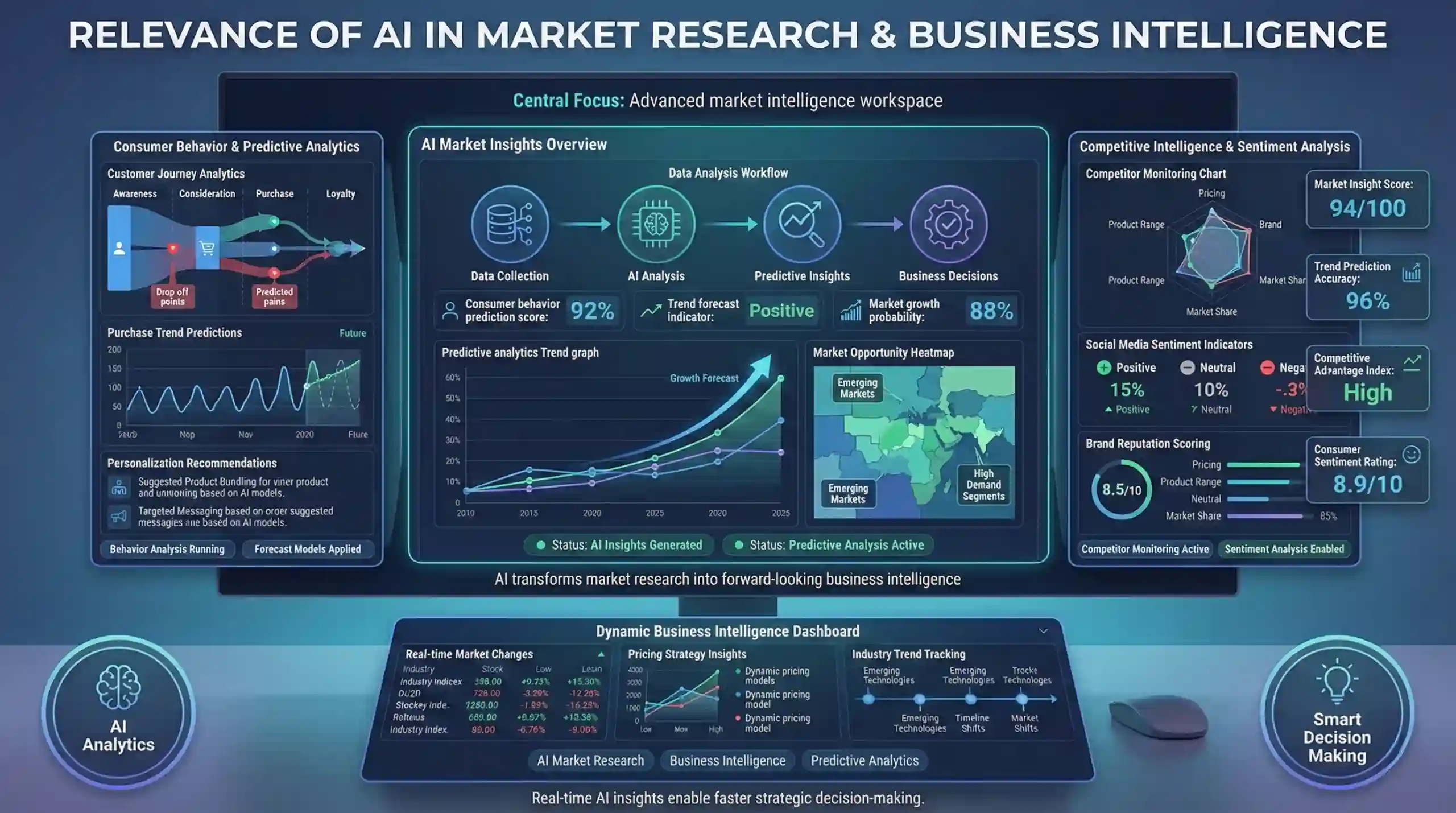
AI-driven insights significantly improve market analysis by enabling rapid processing of large, complex datasets. AI enhances consumer behavior prediction, allowing businesses to preempt trends and personalize offerings. For instance, predictive analytics can forecast sales fluctuations based on online browsing data, enabling timely inventory adjustments.
AI also bolsters competitive intelligence by monitoring competitors’ digital footprints, social media activity, and pricing strategies in real time. These applications assist organizations in reacting swiftly to market shifts and emerging threats.
By leveraging AI, market research shifts from static, retrospective analysis to dynamic, forward-looking intelligence. Sentiment analysis, powered by natural language processing (NLP), allows for understanding consumer opinions from social media and reviews, providing actionable insights into brand reputation.
3. Key AI Concepts for Market Research
Natural Language Processing (NLP) enables machines to understand, interpret, and generate human language, vital for analyzing large volumes of textual data such as online reviews, surveys, and social media posts.
Computer Vision involves analyzing visual data such as images or videos. In market research, computer vision can interpret customer images, product photos, or in-store camera feeds to gauge consumer engagement.
Data Mining entails extracting useful information from massive datasets through pattern recognition and statistical techniques. It underpins customer segmentation and trend detection.
For example, NLP can identify trending products by analyzing millions of online reviews, while data mining reveals distinct customer segments based on purchasing patterns. These methods facilitate accurate market trend forecasting and consumer sentiment analysis.
2. Core AI Technologies & Tools for Market Research
AI-Powered Market Research Tools & Platforms
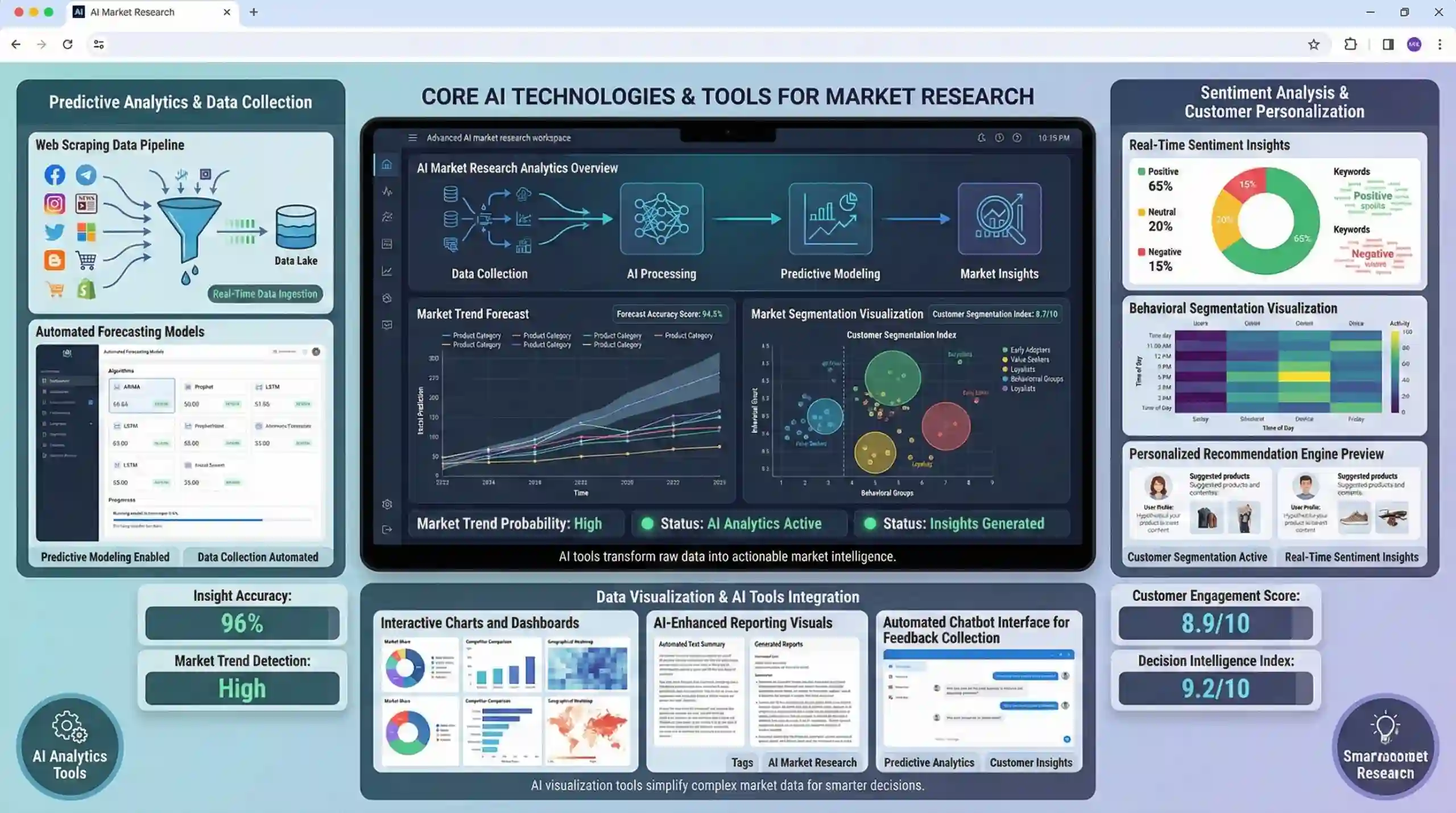
Modern market research employs predictive analytics platforms such as IBM SPSS, SAS, or RapidMiner, which harness AI algorithms for forecasting. Automated data collection tools like web scraping frameworks (BeautifulSoup, Scrapy) facilitate large-scale data acquisition from websites, social media, and e-commerce platforms.
AI sentiment analysis software, including MonkeyLearn or Lexalytics, analyze textual data for positive, negative, or neutral sentiments, helping brands monitor their reputation and customer satisfaction in real time.
Customer Segmentation & Personalization with AI
AI-driven customer segmentation involves clustering consumers based on demographics, behaviors, and preferences, enabling targeted marketing. Personalization tools like Adobe Target or Amazon Personalize utilize AI to recommend products dynamically, increasing customer engagement and conversion rates.
Data Visualization & AI
AI-enhanced data visualization tools such as Tableau with AI features or Power BI with AI insights help stakeholders interpret complex market data through intelligible visual formats, revealing patterns and trends efficiently.
Chatbots & Virtual Assistants for Consumer Insights
AI chatbots (e.g., Drift, Tidio) collect customer feedback, assist with inquiries, and automate market surveys, providing real-time insights into consumer needs and preferences.
AI Frameworks & Libraries
Proficiency in frameworks such as TensorFlow, PyTorch, and scikit-learn enables the development of custom AI solutions tailored to specific market research requirements, such as building predictive classifiers or clustering models.
3. Data Collection & Preprocessing for Market Research Using AI
Big Data Analytics & Web Scraping
Big data analytics allows processing terabytes of data for comprehensive market insights. Web scraping tools systematically extract data like pricing information, product reviews, and social media activity. Example:
import requests
from bs4 import BeautifulSoup

url = 'https://example-ecommerce.com/products'
response = requests.get(url)
soup = BeautifulSoup(response.text, 'html.parser')
products = soup.find_all('div', class_='product-title')
for product in products:
    print(product.text)
Structured & Unstructured Data Processing
Structured data (e.g., surveys, transaction logs) can be directly analyzed, while unstructured data (text, images) require preprocessing. NLP techniques like tokenization, stemming, and vectorization convert unstructured text into analyzable formats.
Data Cleaning & Feature Engineering
High-quality data is essential for accurate AI analysis. Data cleaning removes duplicates, handles missing values, and filters noise. Feature engineering involves selecting or creating variables that better capture underlying patterns, such as converting textual sentiments into numeric scores.
Data Annotation & Labeling
Supervised learning models depend on labeled data. For example, annotating online reviews as positive or negative improves sentiment classification models:
# Example: Manually label reviews
reviews = ['Great product!', 'Not satisfied.', 'Excellent quality.']
labels = ['positive', 'negative', 'positive']
IoT in Data Collection
IoT devices like smart price tags or sensor-equipped vending machines gather real-time consumer interaction data, enabling dynamic market analysis and personalized marketing strategies.
4. Machine Learning & Deep Learning in Market Research
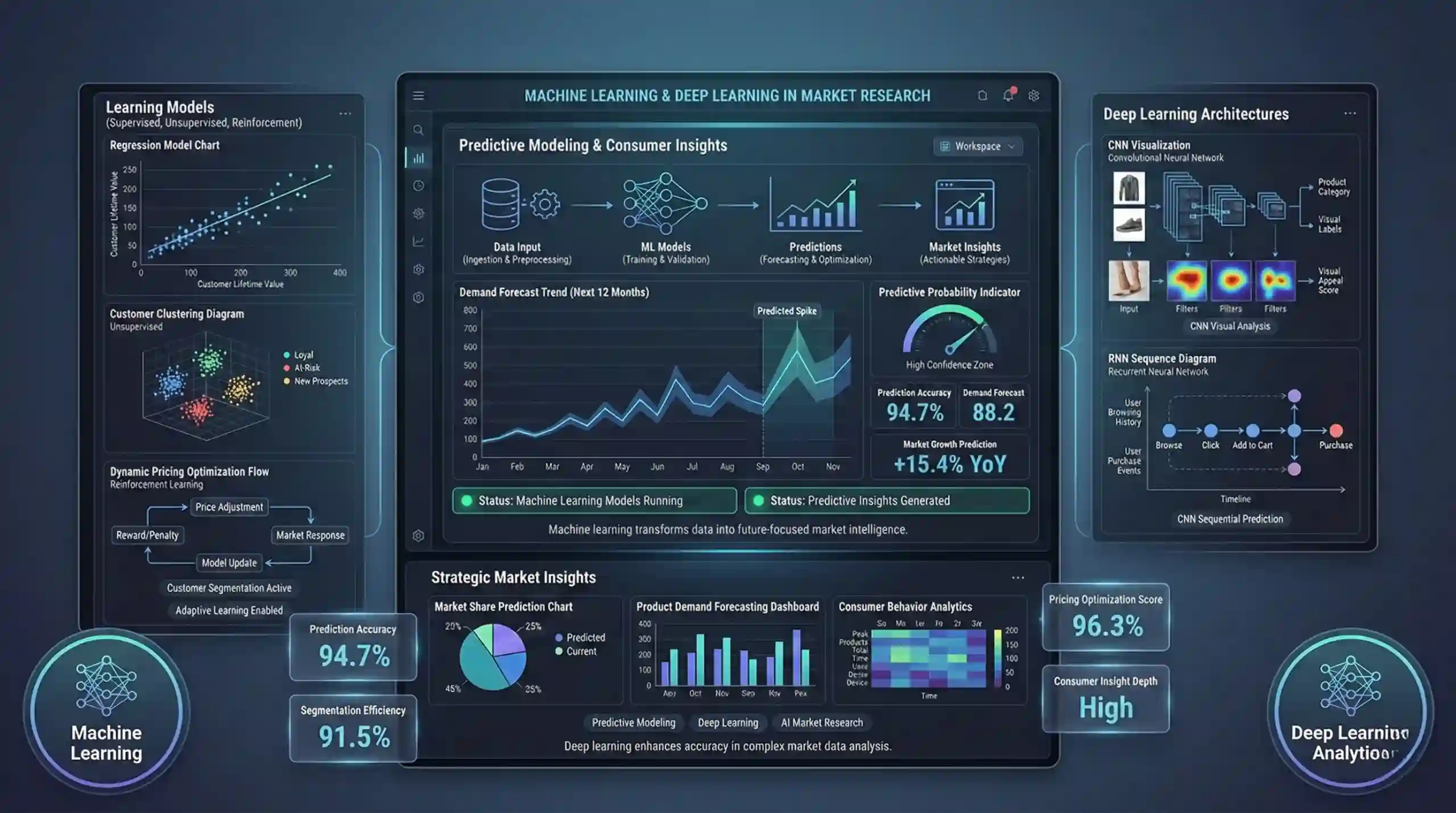
Supervised, Unsupervised, & Reinforcement Learning
- Supervised Learning: Predict sales volume (regression) based on historical data.
- Unsupervised Learning: Segment customers via clustering algorithms like K-means.
- Reinforcement Learning: Optimize adaptive pricing strategies by learning from market responses.
Convolutional Neural Networks (CNNs) & Recurrent Neural Networks (RNNs)
- CNNs excel in analyzing visual content, such as customer images or product photos, to detect engagement levels.
- RNNs handle sequential data like browsing sessions or purchase histories, enabling predictions on future buying behavior.
Predictive Modeling & Consumer Insights
Predictive models forecast variables like product demand or market share using algorithms such as Random Forest or Gradient Boosting Machines, improving strategic planning.
5. Natural Language Processing (NLP) for Market Insights
Sentiment Analysis & Opinion Mining
By analyzing social media comments, NLP identifies public sentiment towards brands or products. For example:
from textblob import TextBlob

text = "I love this new phone, incredible camera!"
analysis = TextBlob(text)
print(analysis.sentiment.polarity)
Positive scores indicate favorable sentiment, guiding brand strategy.
Topic Modeling & Customer Feedback Analysis
Algorithms like Latent Dirichlet Allocation (LDA) discover emerging topics in reviews or forums, highlighting customer preferences and concerns.
AI Chatbots & Virtual Assistants for Market Data Collection
Deploying chatbots for real-time data gathering helps understand consumer pain points quickly, enriching market insights.
Language Models like GPT & BERT
Advanced language models enable nuanced sentiment detection, competitive intelligence, and automatic summarization of market reports:
# Example: Using Huggingface transformers for sentiment analysis
from transformers import pipeline

classifier = pipeline('sentiment-analysis')
result = classifier("This product exceeded my expectations.")
print(result)
6. AI Ethics & Data Privacy in Research
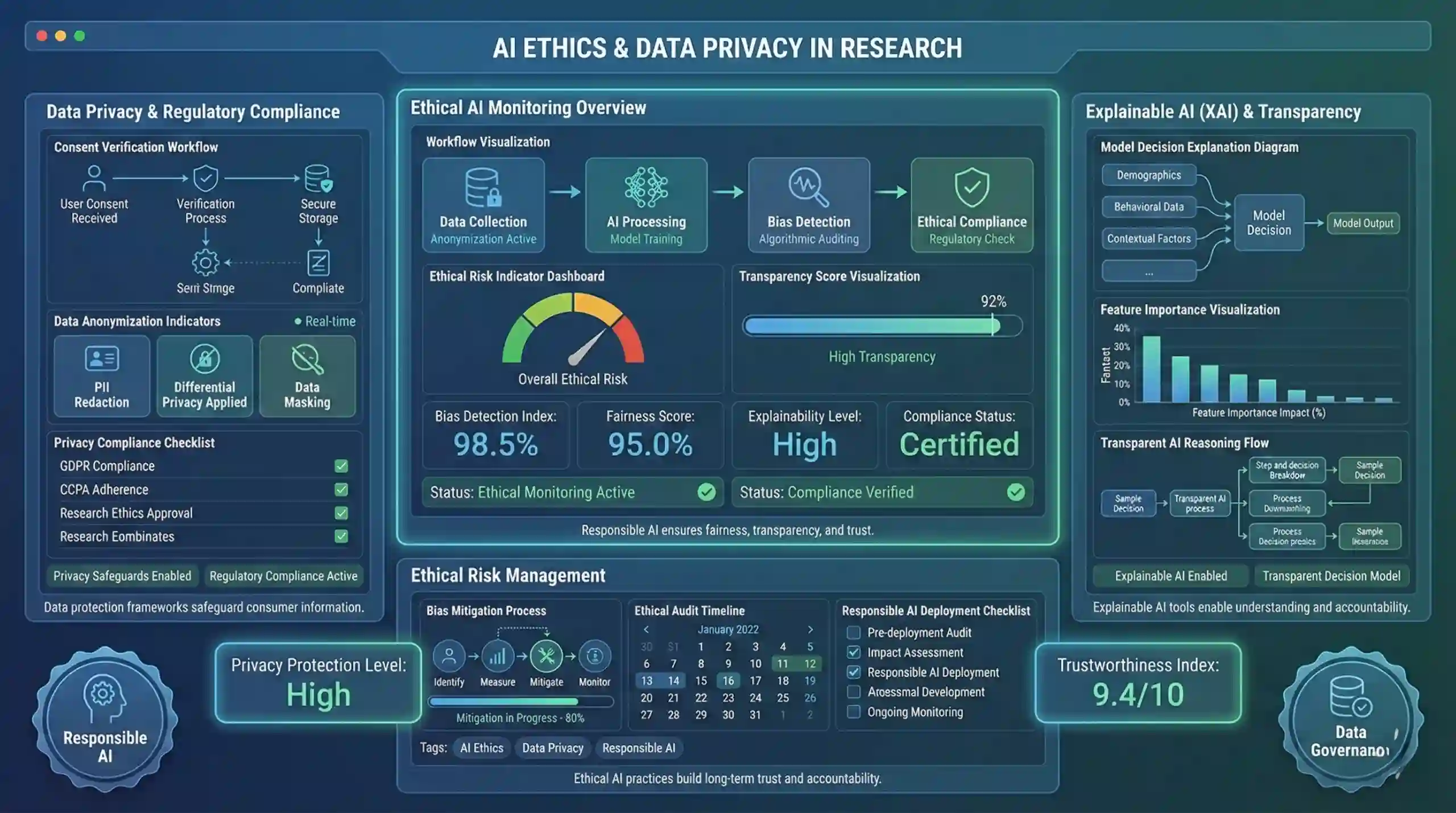
Understanding AI Ethical Principles
Ensuring fairness and mitigating biases in AI models is crucial. Avoiding biased training data prevents unfair consumer segmentation.
Data Privacy & Regulatory Compliance
Adhering to GDPR, CCPA, and other legal frameworks is vital to protect consumer data. Anonymization and consent are ethical imperatives.
Transparency & Trust
Models and data practices should be transparent, enabling stakeholders to trust AI-driven insights. Techniques such as explainable AI (XAI) facilitate this.
7. Applications of AI in Research & Market Research
Predictive Analytics for Sales & Market Forecasting
AI models forecast future sales based on historical trends, economic indicators, and consumer behavior, aiding inventory and resource planning.
Customer Journey Mapping & Personalization
AI-driven journey maps personalize customer interactions across touchpoints, fostering better engagement.
Product Recommendation Engines
Using collaborative filtering or content-based filtering, AI recommends products aligned with individual preferences, boosting sales.
Competitive Intelligence & Market Monitoring
Real-time AI tools track competitors’ activities, pricing, and market shifts, enabling proactive responses.
Case Studies & Success Stories
Many companies report increased ROI and efficiency using AI solutions, such as improved customer retention rates and faster market trend identification.
8. Future Trends & Career Opportunities in AI for Market Research
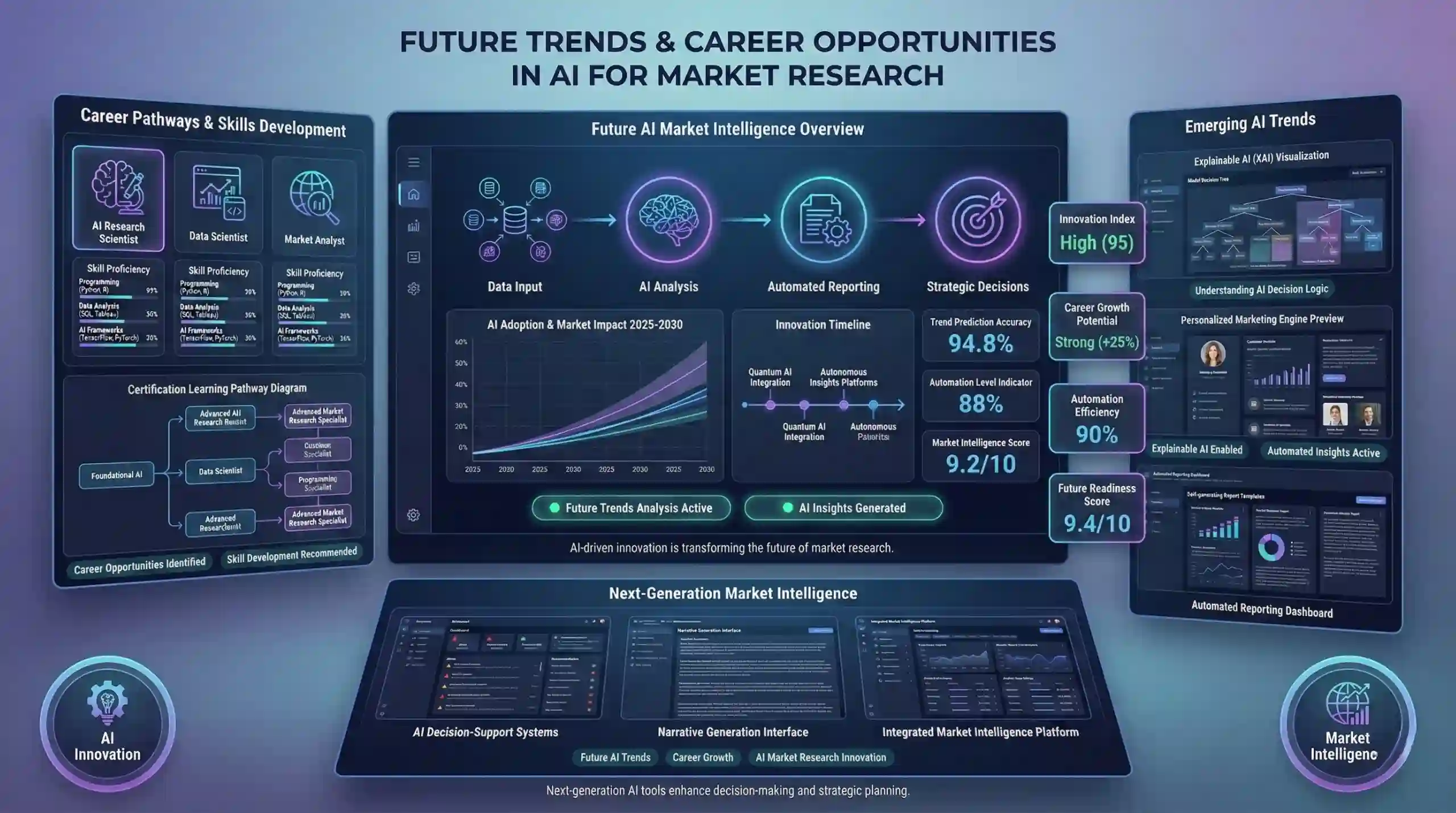
Emerging Trends in AI for Market Research
Advances include Explainable AI (XAI), personalized marketing, and automated reporting, streamlining insights generation.
Career Pathways & Skills Development
Roles like AI Research Scientist, Data Scientist for Marketing, and Market Analytics Specialist are growing. Skills in programming, data analysis, and AI frameworks are essential.
Continuous Learning & Certification
Pursuing AI certifications (e.g., Coursera, edX) and staying current with market research innovations ensure career growth.
Innovations in AI-powered Market Intelligence
Next-generation tools will feature automatic narrative generation, AI-supported decision-making, and integrated market intelligence platforms leveraging artificial intelligence.
Study Resources & Beginner-Friendly Websites:
- W3Schools (https://www.w3schools.com/): Basic tutorials on programming languages and data analysis.
- GeeksforGeeks (https://www.geeksforgeeks.org/): Comprehensive guides on machine learning, AI frameworks, and data science.
- Coursera (https://www.coursera.org/), edX (https://www.edx.org/): Courses on AI, data analysis, and market research.
- Kaggle (https://www.kaggle.com/): Practical datasets and competitions for hands-on learning.
- Applied AI (https://www.investopedia.com/terms/a/artificial-intelligence-ai.asp): Articles explaining AI fundamentals in simple language.
This structured, theory-focused study material provides a comprehensive foundation in Artificial Intelligence in Research & Market Research, integrating core concepts, practical applications, and future outlooks to support learners and professionals in harnessing AI’s transformative potential.
More Courses
- Social Media Marketing course with Gen AI
- Advance Digital Marketing & SEO course with Gen AI
- Advanced Certificate in Digital Design & Marketing course with Gen AI
- Meta & Google Ads course with Gen AI