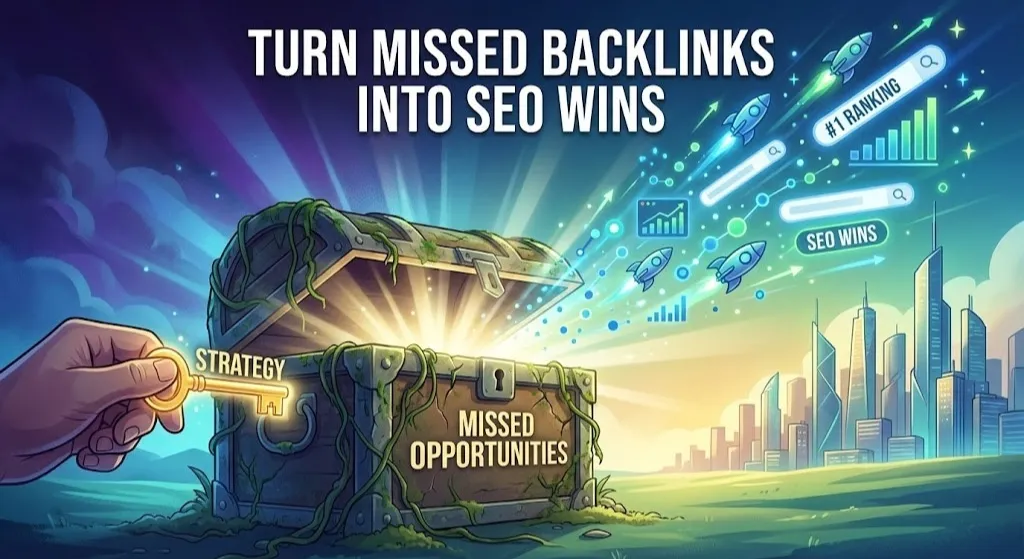
Backlinks act like trust votes in Google’s eyes. The more powerful and relevant backlinks you have, the higher your chances of ranking better. That’s why many professionals learn this deeply in a Best SEO training institute, an advanced SEO master course, or a Digital marketing institute, because understanding backlinks can truly transform SEO performance.
But don’t worry — even if you’re not enrolled in a Complete SEO course or Off page SEO training, this blog will still guide you in a simple, human, and practical way.
⭐ What Do “Missed Backlink Opportunities” Mean?
Missed backlink opportunities simply mean:
👉 Websites that could have linked to you, but didn’t
👉 Platforms where your competitors are listed, but you are not
👉 Content topics people are linking to — but you haven’t created yet
👉 Mentions of your brand without backlinks
These missed chances are powerful because they already PROVE potential. If someone linked to your competitor or mentioned your niche, it means they are open to linking to similar quality content or businesses too.
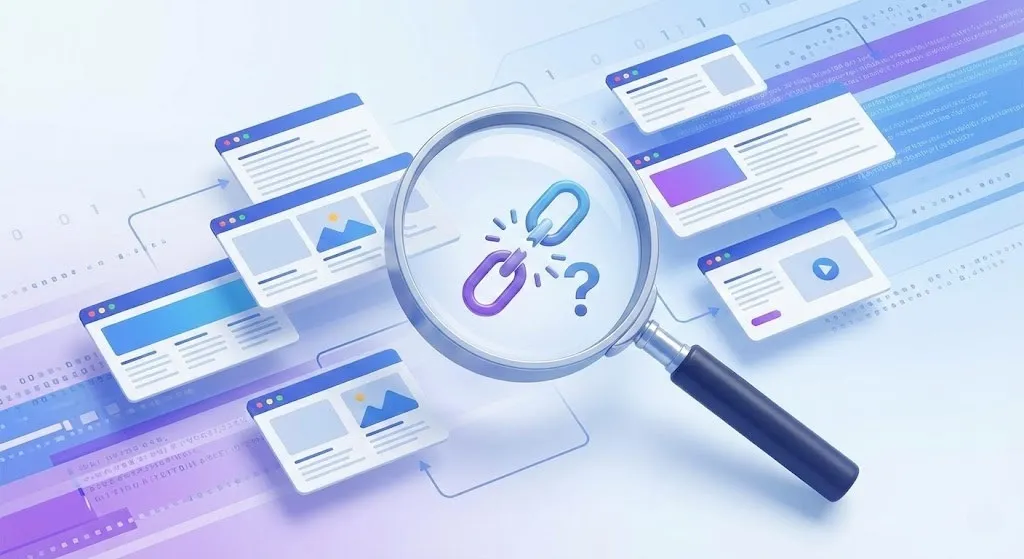
🔎 Step 1: Find Where Your Competitors Are Getting Backlinks
Your competitors are your biggest teachers 😎.
If they are ranking higher than you, they have backlinks you don’t.
Look at:
✔ Blogs linking to competitors
✔ Business directories
✔ Guest posts
✔ News mentions
✔ Industry listing websites
Make a list:
- “These websites linked to them.”
- “These blogs accepted guest posts.”
- “These platforms covered their stories.”
Every competitor backlink = a potential backlink for you too.

🌍 Real-Life Example 1: Travel Blogger Story
A small travel blogger struggled to rank against big travel websites. After studying competitor backlinks, they found:
- Competitors were featured in travel storytelling blogs
- They were listed in “Top Travel Bloggers” lists
- Some got backlinks from tourism boards
So this blogger:
👉 Reached out to travel blogs
👉 Submitted their blog to ranking lists
👉 Partnered with tourism communities
Within 4 months, traffic grew and multiple keywords began ranking on Google 🌎
They didn’t build random backlinks…
They turned missed backlink opportunities into SEO success.
📚 Step 2: Look for Websites That Already Mention You
Sometimes people mention your brand, blog name, or business but forget to link.
This happens more than you think!
Check:
- News mentions
- Blog mentions
- Social discussions (converted later into blog articles)
Then politely request:
“Since you mentioned us, it would be great if you could add a link to our website.”
Most people happily do it ❤️ because they already like your brand enough to mention it.
This is one of the easiest link wins!
🛍️ Real-Life Example 2: Small Business Success
A local fashion boutique found multiple blogs had written about their collection but didn’t include links. The boutique politely emailed:
“Thank you for mentioning us!
It would help our customers if you could add a link to our website 😊”
Guess what?
Most bloggers updated the articles and added backlinks 🎯
Zero spam.
Zero risk.
Pure authority-building.

✍️ Step 3: Create Content That Naturally Attracts Links
Many websites miss backlinks because they do not create link-worthy content.
Ask:
👉 Why would someone link to you?
👉 What value are you providing?
👉 Why should another website support you?
Content that attracts backlinks includes:
✔ Guides & tutorials
✔ Research-based articles
✔ Comparison blogs
✔ Statistics posts
✔ Helpful resources
When your content is strong, backlinks come naturally ❤️
This is exactly what professionals learn in a ✨ Best SEO training institute ✨, ✨ SEO master course ✨, or ✨ Digital marketing institute ✨ — not just building links, but earning them through value.
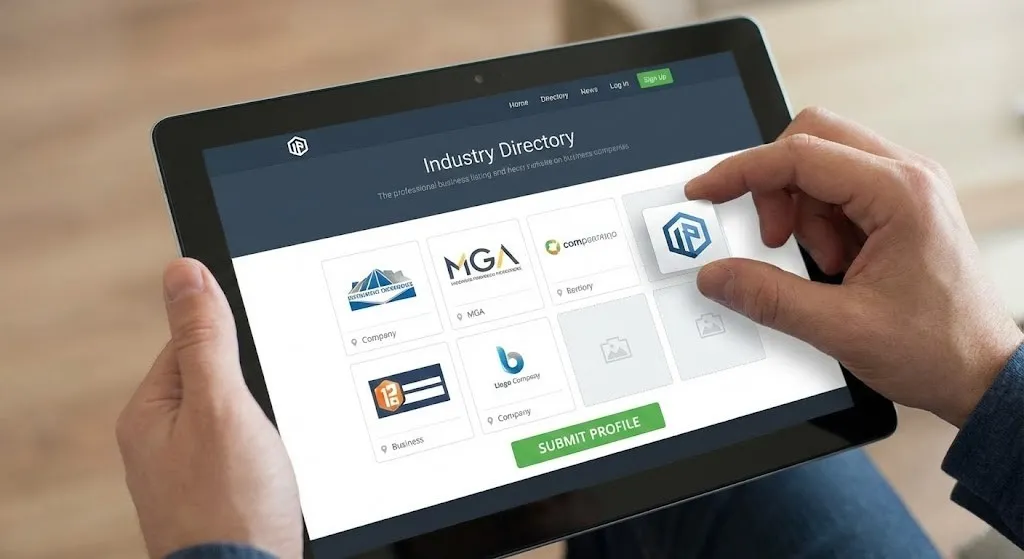
🏢 Step 4: Look for Industry Platforms and Communities
Every industry has:
- Forums
- Directories
- Listing websites
- Professional communities
Most people ignore them — which means they miss SIMPLE backlink wins.
For example:
- Local food blogs for restaurants 🍽️
- Startup directories for businesses 💼
- Tech listing sites for software companies 💻
Submitting your profile or business can quickly get you valuable backlinks.
👨🎓 Real-Life Example 3: Education Institute Case
An education organization wanted to grow visibility online but realized competitors were ranking better.
They discovered competitors were featured in:
- Training review platforms
- Student testimonial sites
- Education bloggers’ recommendation lists
So they:
👉 Encouraged student reviews
👉 Partnered with bloggers
👉 Submitted to trusted directories
Soon their ranking, trust, and admissions increased 📈
Missed backlink opportunities turned into growth opportunities.
🧠 Step 5: Don’t Just Chase Links — Build Relationships
Backlinks are not just numbers. They are relationships.
If you want:
- Bloggers to support you
- Websites to mention you
- Platforms to feature you
Then you must:
✔ Provide value
✔ Communicate politely
✔ Build genuine connections
Short-term link building brings temporary results.
Relationship-based link building builds long-term SEO power 💪
This mindset shift is one of the biggest learnings in a ✨ Complete SEO course ✨ or serious ✨ Off page SEO training ✨.

💡 Bonus Tip: Review Your Missed Opportunities Regularly
SEO is not a one-time task.
Competitors change.
Trends change.
Google changes.
So you should:
🔁 Keep checking competitor backlinks
🔁 Keep identifying new opportunities
🔁 Keep improving your strategy
Continuous learning = consistent results
✅ Final Thoughts
Missed backlink opportunities are NOT failures —
They are hidden chances waiting to be unlocked 🎯
By:
✔ Studying competitors
✔ Finding unlinked mentions
✔ Creating link-worthy content
✔ Listing in industry platforms
✔ Building relationships
You can turn invisible opportunities into real SEO wins 🚀
Whether you learn from a Best SEO training institute, enroll in an SEO master course, join a Digital marketing institute, upgrade your skills through a Complete SEO course, or improve step by step with Off page SEO training, mastering backlink opportunities can change your SEO journey completely.
Disclaimer: The images and videos used in this blog are for educational and illustrative purposes only. Some visuals may be generated using AI tools, while others are sourced from publicly available platforms. We do not claim ownership of any third-party images or videos. All rights and credits belong to their respective owners.